


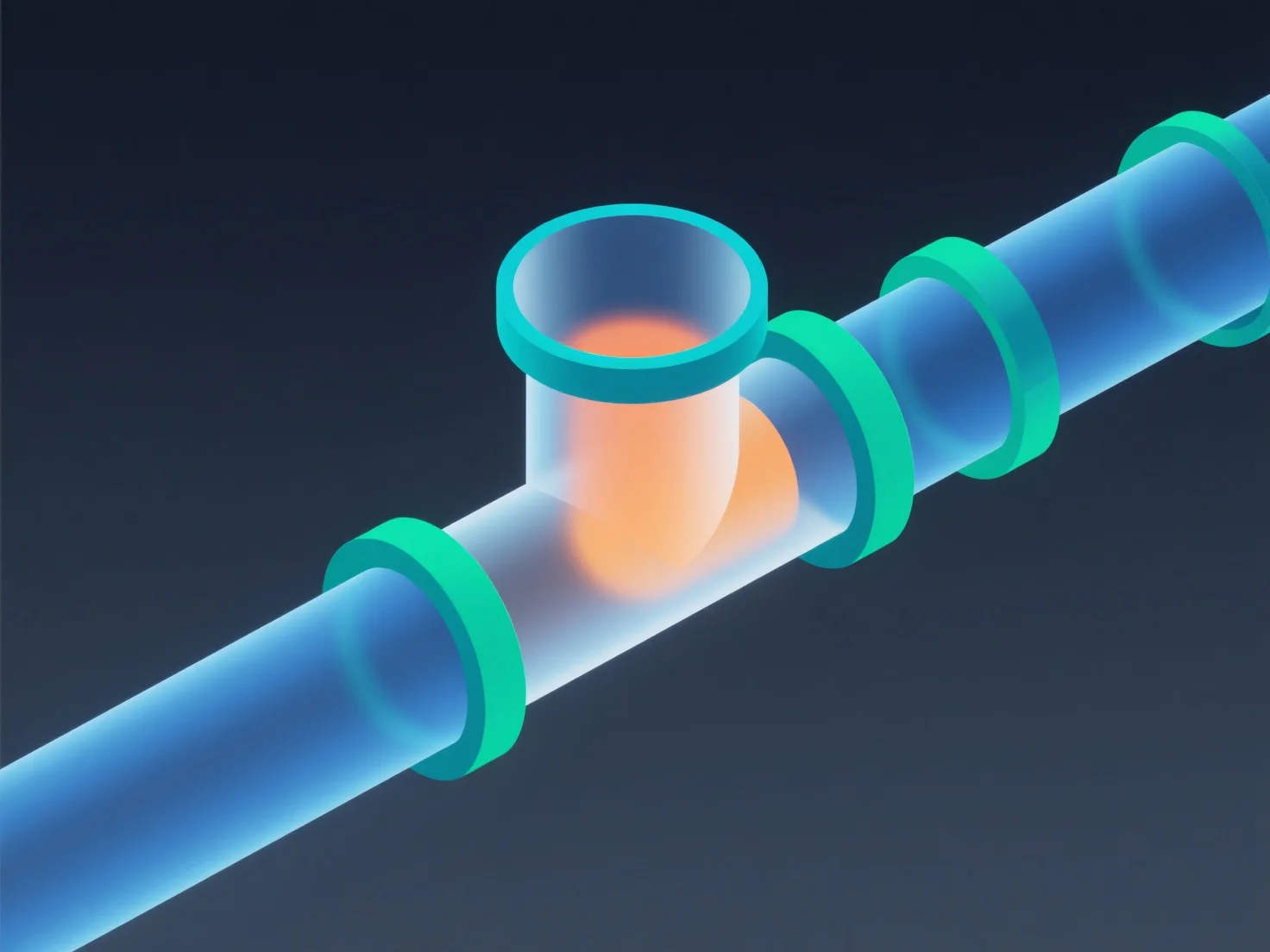
Перекладіть наступне англійське речення на українську мову та поясніть його детально: Проблемні ролі в 3D-конвеєрах обмежують продуктивність, виступаючи як обмеження робочого процесу, коли їх обчислювальна потужність перевищується попередніми етапами, що призводить до затримок.
Основні способи, якими вони обмежують пропускну здатність, включають: - **Перевантаження потужності**: Ролі, такі як моделювання або текстурування, можуть отримувати завдання швидше, ніж вони можуть їх виконати, що призводить до затримок. Наприклад, якщо текстурні художники відстають, модельовані активи накопичуються, затримуючи анімацію. - **Нестача ресурсів**: Недостатньо укомплектовані команди (наприклад, риггери) сповільнюють передачу завдань, оскільки вищерозташовані завдання накопичуються, а нижчерозташовані етапи (анімація) чекають без діяльності. - **Критичні залежності**: Критичні ролі.
Ці проблеми призводять до каскадних затримок, знижуючи загальну ефективність конвеєра та швидкість виробництва.