


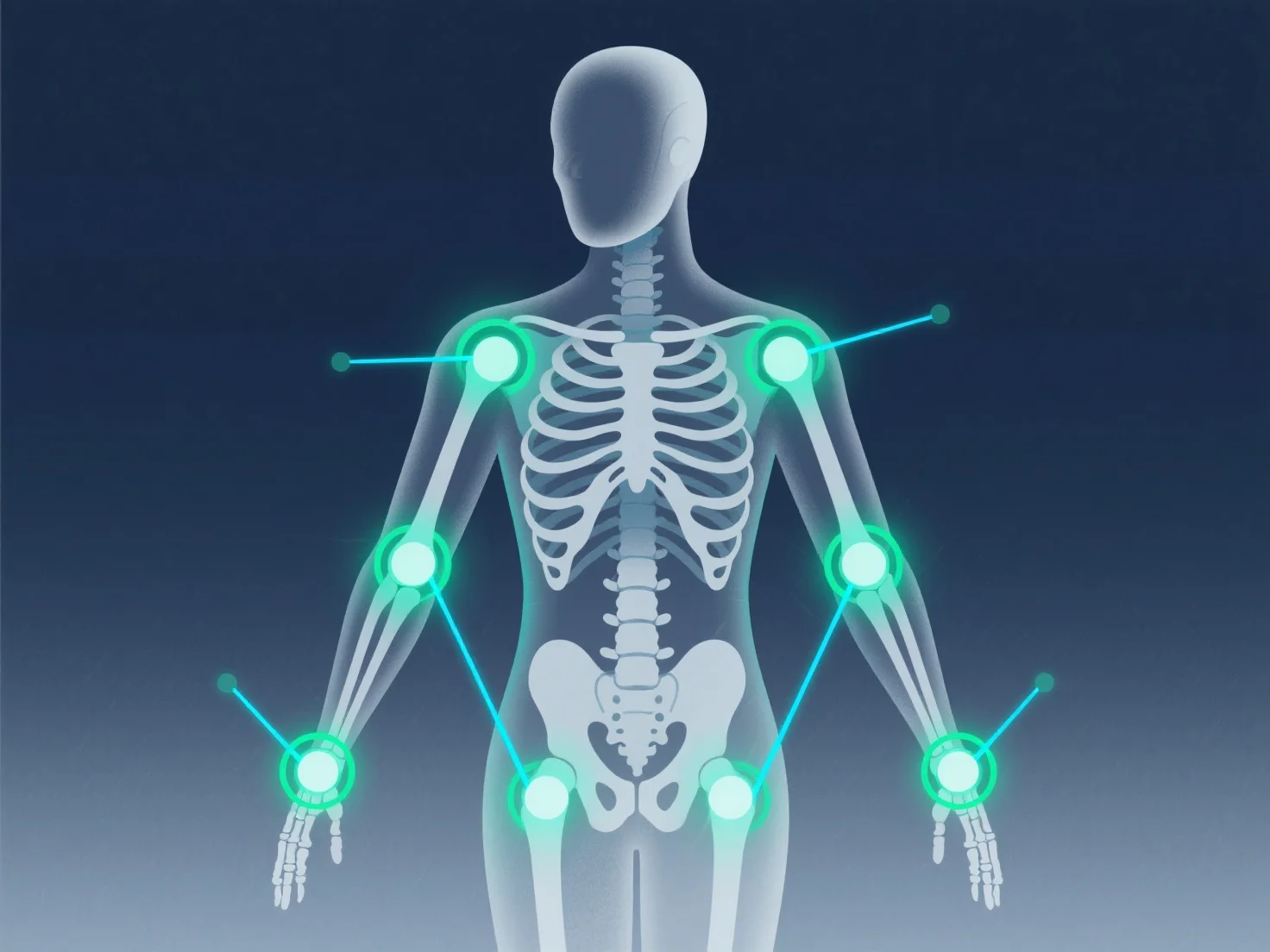
A fase de rigging na animação 3D é crítica, pois transforma modelos 3D estáticos em ativos animáveis, permitindo a criação de movimentos dinâmicos e realistas.
O significado fundamental reside em: - **Estabelecer uma estrutura controlável:** Ao adicionar um esqueleto digital (rig) com articulações, controlos e restrições, define a forma como o modelo se move. É como um "boneco digital" para animadores. - **Permitir uma deformação precisa:** Permitindo o controlo das alterações na forma do modelo, como a flexão dos membros, expressões faciais ou articulação de objetos, garantindo um movimento natural e fluido. - **Simplificar o fluxo de trabalho de animação:** Fornecendo aos animadores ferramentas intuitivas para manipular os modelos de forma eficiente, reduzindo o esforço manual e garantindo uma qualidade de movimento consistente.
Em suma, montar modelos estáticos de pontes e animação dinâmica, tornando-o um passo fundamental para a criação de animações 3D realistas.