


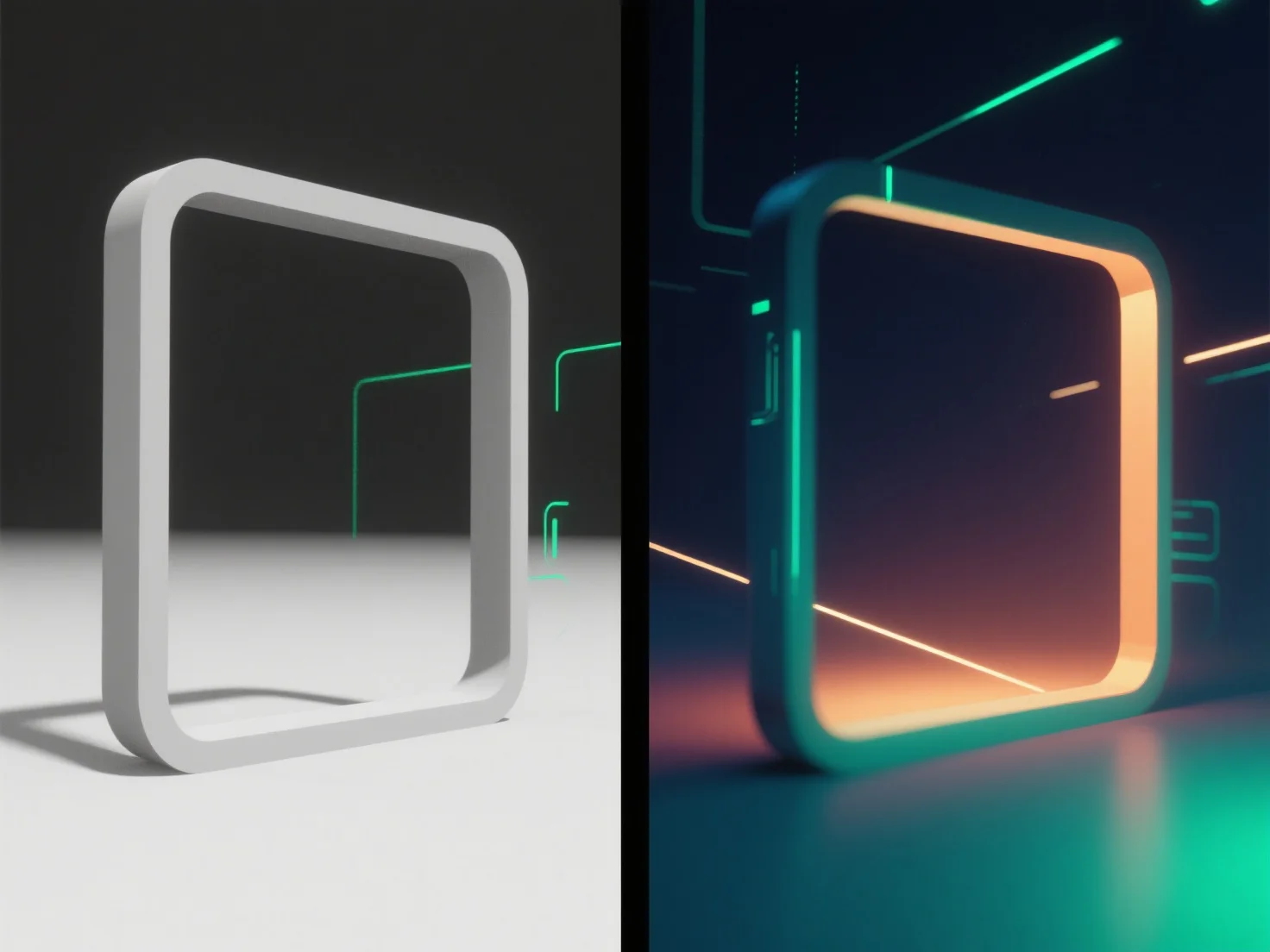
Os efeitos de pós-processamento na renderização em tempo real melhoram principalmente a qualidade visual e o realismo, aplicando ajustes de imagem após a renderização inicial, simulando fenómenos visuais do mundo real, como desfoque de movimento, efeito de brilho ou gradação de cores, para tornar as cenas mais imersivas.
As principais aplicações em várias indústrias incluem: - Jogos de vídeo: Adicionar efeitos cinemáticos (por exemplo, profundidade de campo, reflexos da lente) para aumentar a imersão na jogabilidade. - AR/VR: Usar correção de cores e anti-aliasing para alinhar objetos virtuais com o ambiente real, aumentando o realismo. - Simulações em tempo real: Aplicar oclusão ambiente para realçar os detalhes dos objetos em treinos ou pré-visualizações de design, melhorando a clareza visual.
Para iniciantes, começar com efeitos básicos como o efeito Bloom ou o ajuste de contraste ajuda a compreender intuitivamente o seu impacto na apresentação visual final.