Home/Hitem3D FAQ/What is the difference between diffuse color and specular reflection in 3D models?

What is the difference between diffuse color and specular reflection in 3D models?

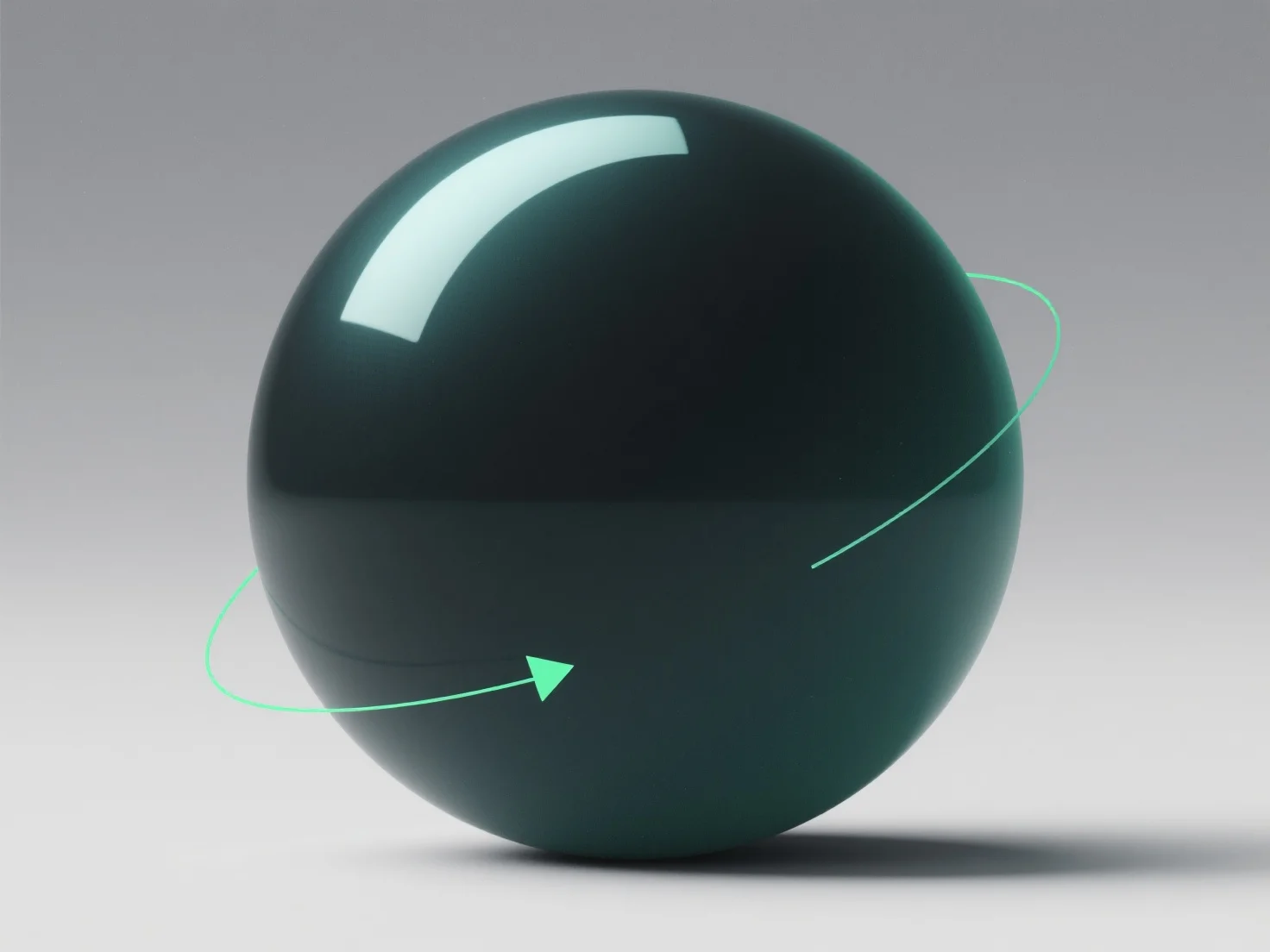
In 3D models, diffuse color scatters light uniformly for base color, specular reflection reflects directionally for shiny highlights.

What is the difference between diffuse color and specular reflection in 3D models?

In 3D models, diffuse color and specular reflection are distinct light interaction properties: diffuse scatters light uniformly for base color, while specular reflects light directionally for shiny highlights.

- **Diffuse Color**: Determines an object’s base hue by scattering light evenly in all directions. Visible from most angles, it creates the overall, non-shiny appearance (e.g., matte paint, fabric).

- **Specular Reflection**: Mimics shininess by reflecting light in a narrow, focused beam. Produces bright highlights (e.g., on metal, wet surfaces) that depend on light source and viewer angle, enhancing realism.

Together, they define a surface’s look: diffuse for base color, specular for shine.

PreviousNext
Produto
Web Studio
Plataforma API
Recursos
Imagem para 3D
Multivisualização para 3D
Relevo
Segmentação
Modelos
Modelo geral
Modelo de retrato
Recursos
Blog
Perguntas frequentes
Documentação da API
Sobre nós
Preços