


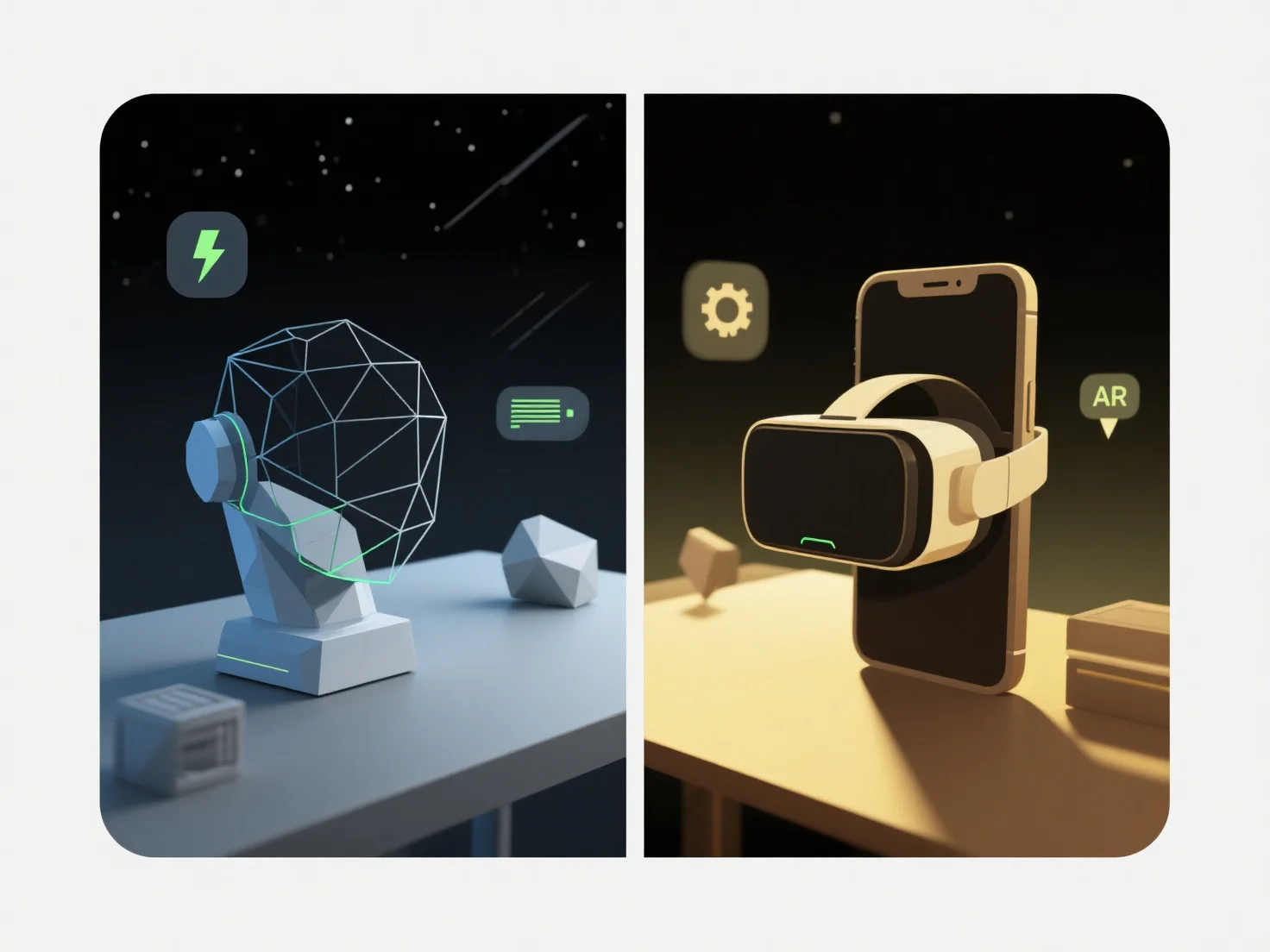
Os modelos 3D para ambientes de realidade virtual e aumentada devem cumprir os principais requisitos de adaptação: otimizar a contagem de polígonos, garantir a compatibilidade das texturas e apoiar a interacção em tempo real, equilibrando a fidelidade visual com o desempenho em tempo de execução para evitar atrasos e manter a imersão.
- **Número de polígonos**: Utilize modelagem com baixo número de polígonos para reduzir a carga computacional, uma vez que um elevado número de polígonos pode causar atrasos na renderização em hardware de AR/VR. - **Texturas**: Adote fluxos de trabalho PBR (Physically Based Rendering) para iluminação e sombreamento realistas, garantindo a compatibilidade com os motores de renderização de AR/VR. - **Interação em tempo real**: Desenhe modelos que respondam de forma suave à entrada do utilizador, alinhando-se com os limites de processamento do hardware para manter a capacidade de resposta.
Em última análise, testar modelos nas plataformas AR/VR alvo garante que eles sejam renderizados sem problemas e proporcionem uma experiência imersiva.