


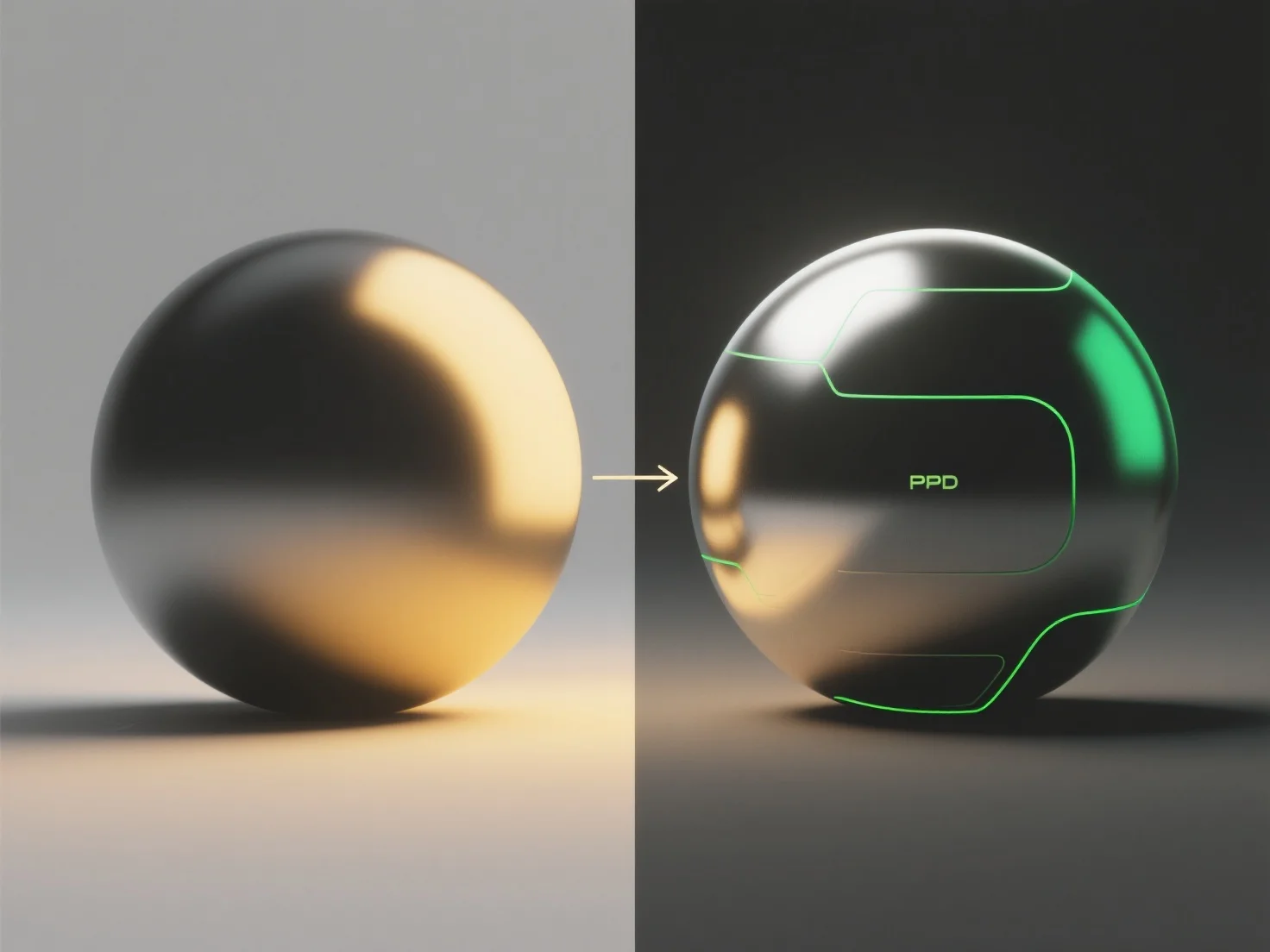
O PBR (Renderização Baseada em Física) melhora a precisão da iluminação, simulando interações luz-material do mundo real através de algoritmos fisicamente precisos, garantindo uma iluminação consistente e realista, replicando os comportamentos naturais da luz.
Mecanismos-chave para a precisão: - Baseia-se nos atributos físicos do material: Utiliza o albedo (cor base), a rugosidade (textura da superfície) e a metalicidade (condutividade) para definir a interação da luz, evitando ajustes manuais arbitrários. - Impõe a conservação de energia: Imita a física do mundo real, onde a energia da luz não é criada nem destruída. Por exemplo, as superfícies rugosas dispersam mais luz, enquanto as lisas refletem mais, mantendo um equilíbrio realista de energia. - Adapta-se a ambientes dinâmicos: Ajusta-se automaticamente a diferentes condições de luz (luz solar, lâmpadas interiores), ao contrário da renderização tradicional, que requer ajustes específicos da cena.
Isso torna o PBR ideal para jogos, filmes e visualização de produtos, simplificando a iluminação precisa e natural sem a necessidade de um ajuste manual complexo.