


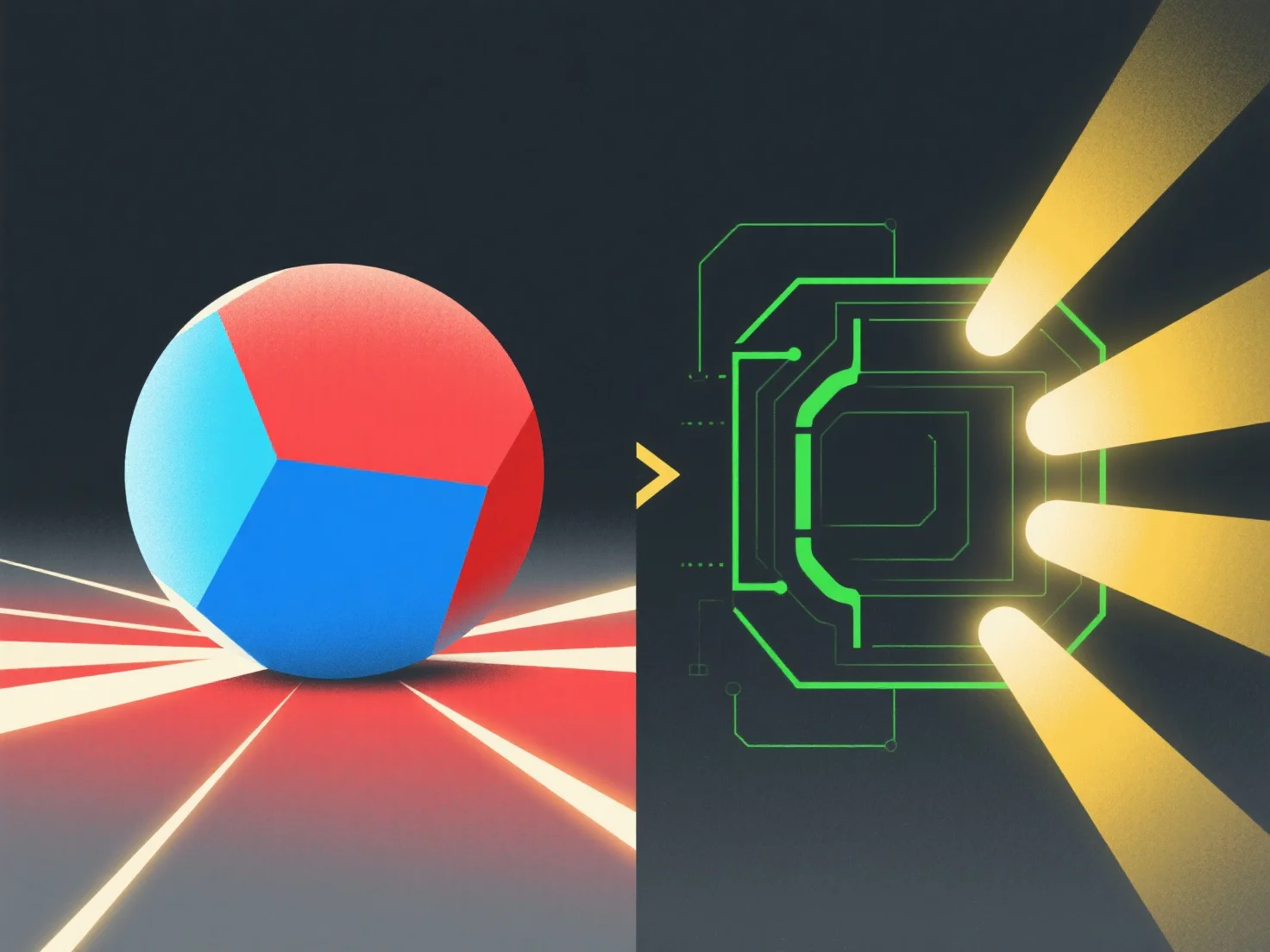
A renderização em tempo real simplifica os cálculos da fonte de luz para priorizar a velocidade, enquanto os renderizadores offline usam simulações complexas e fisicamente precisas para uma qualidade superior.
A renderização em tempo real utiliza frequentemente técnicas aproximadas, como mapas de sombras ou oclusão ambiente, para reduzir a carga computacional, permitindo um feedback visual instantâneo em aplicações como jogos de vídeo. Os renderizadores offline, por outro lado, utilizam métodos como o path tracing ou a iluminação global para simular com precisão os saltos e interacções da luz, resultando numa iluminação mais realista, mas exigindo tempos de renderização mais longos, comuns na CGI de filmes ou na visualização arquitectónica.
Para pré-visualizações rápidas ou experiências interativas, a renderização em tempo real é ideal; para efeitos de iluminação detalhados e de alta fidelidade, a renderização offline é mais adequada.