


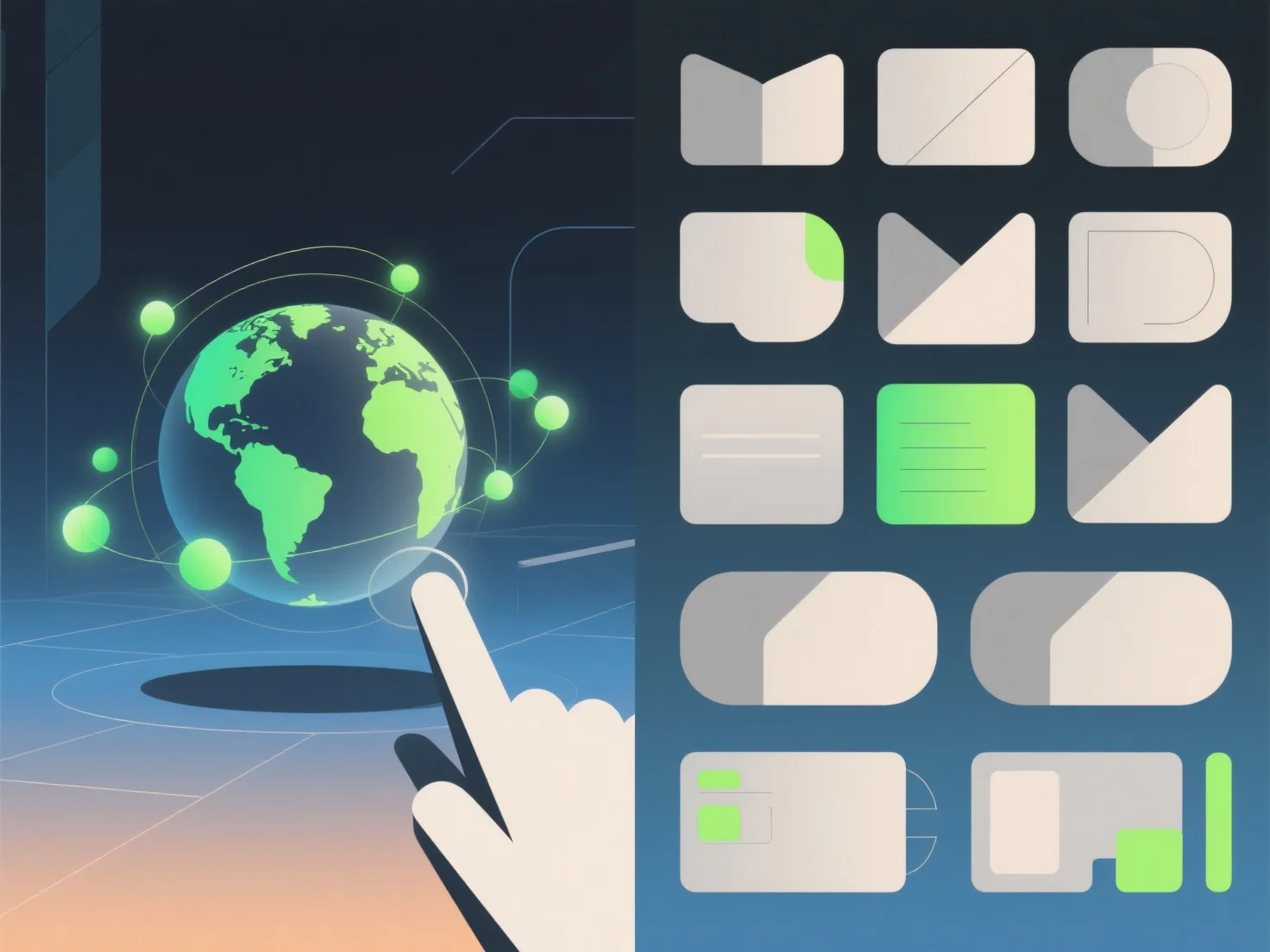
A narração interativa em 3D e as apresentações baseadas em slides diferem principalmente no envolvimento do utilizador e na entrega de conteúdo: a narração em 3D prioriza a interacção activa e a exploração imersiva, enquanto as apresentações baseadas em slides dependem da partilha de conteúdo linear e estático.
- **Modelo de interação**: A narrativa em 3D permite aos utilizadores manipular, navegar ou explorar ativamente elementos 3D (por exemplo, rodar um modelo de produto), promovendo um envolvimento prático. Os slides fornecem conteúdo de forma passiva, com os utilizadores a seguirem uma sequência fixa. - **Nível de imersão**: Os ambientes 3D oferecem muitas vezes experiências multissensoriais e realistas, simplificando informações complexas (por exemplo, estruturas anatómicas). Os slides utilizam imagens/textos 2D, que são mais simples mas menos imersivos. - **Adequação ao caso de utilização**: A narrativa em 3D é excelente em cenários de envolvimento profundo.
Em suma, a narrativa 3D aumenta a participação ativa e a imersão, enquanto os slides são excelentes para uma comunicação direta e linear.