Home/Hitem3D FAQ/How do you simulate dirt, grime, and wear on materials in 3D models?

How do you simulate dirt, grime, and wear on materials in 3D models?

Simulating dirt, grime, and wear on 3D models uses texture maps, material adjustments, and procedural effects for realistic aging.

How do you simulate dirt, grime, and wear on materials in 3D models?

Simulating dirt, grime, and wear on 3D model materials primarily relies on texture maps, material adjustments, and procedural effects to achieve realistic aging.

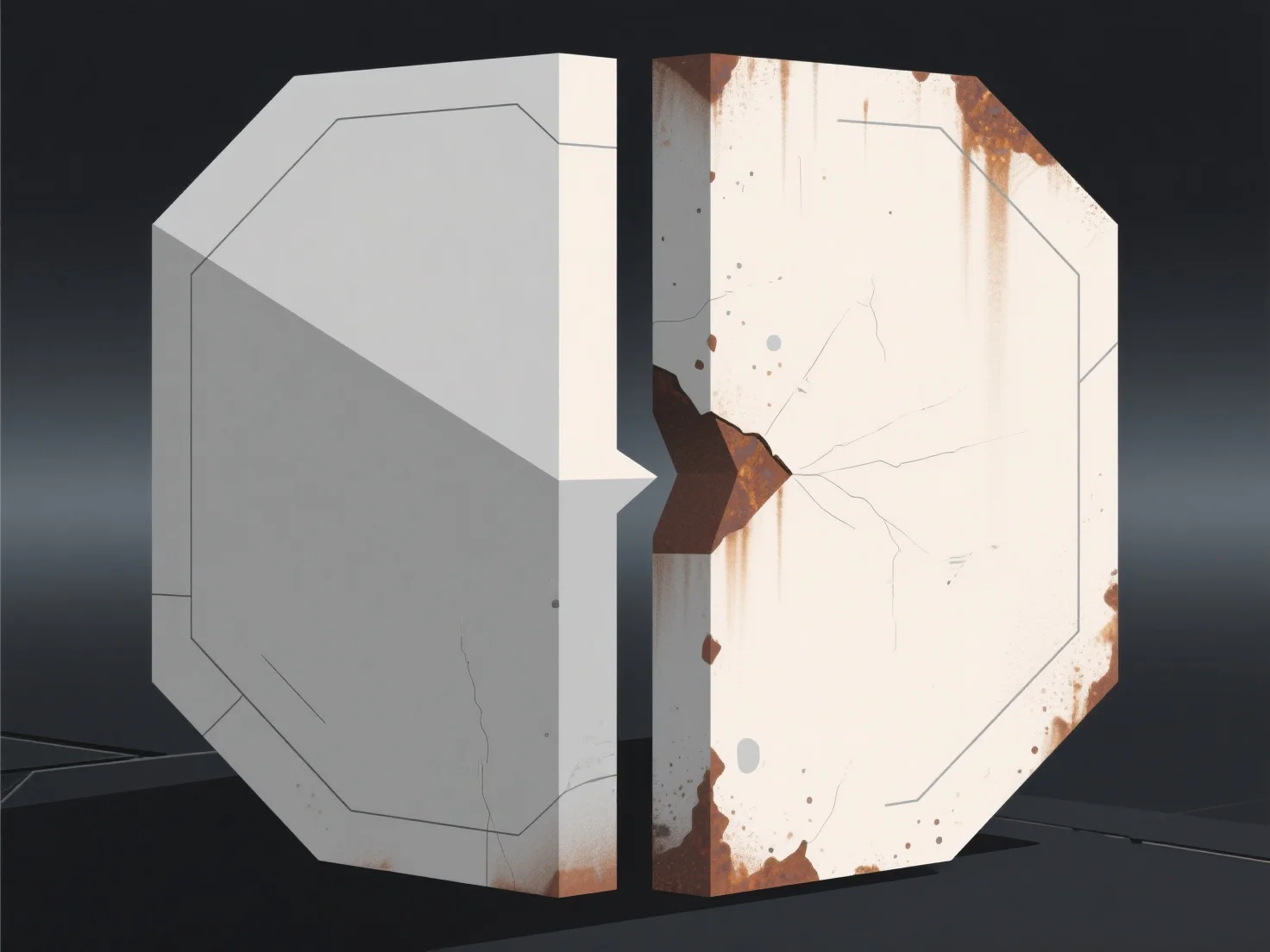
Texture maps (e.g., dirt masks, roughness maps, or wear stamps) add visual details—such as grime in crevices or faded edges—by overlaying pre-made or custom patterns. Adjusting material properties, like reducing reflectivity for worn areas or increasing roughness for matte, dirty surfaces, enhances depth. Procedural tools in software (e.g., Blender, Substance Painter) generate random, natural wear (e.g., uneven scratches or fading) for organic, non-uniform effects.

Layering these methods—combining texture maps, material tweaks, and procedural noise—best mimics real-world aging.

PreviousNext
Produto
Web Studio
Plataforma API
Recursos
Imagem para 3D
Multivisualização para 3D
Relevo
Segmentação
Modelos
Modelo geral
Modelo de retrato
Recursos
Blog
Perguntas frequentes
Documentação da API
Sobre nós
Preços