


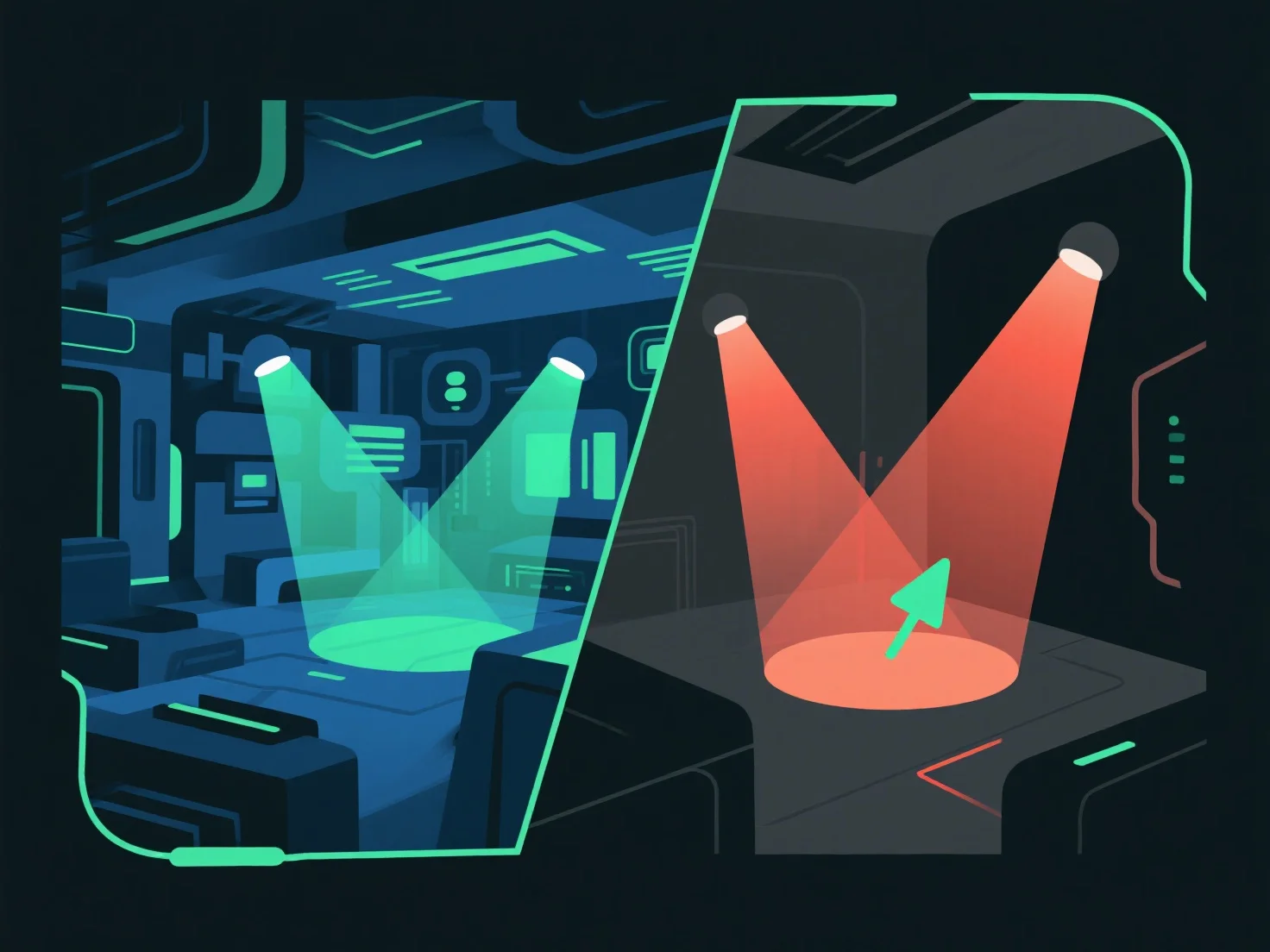
A otimização da iluminação em ambientes em tempo real para desempenho concentra-se na redução da carga computacional, mantendo a qualidade visual, alcançada através de fontes de luz simplificadas, iluminação pré-processada e gestão eficiente de sombras/luz.
- **Limitar luzes dinâmicas**: Reduza o número de luzes dinâmicas, pois cada uma adiciona sobrecarga à GPU/CPU. Priorize luzes estáticas ou semi-estáticas sempre que possível para minimizar os cálculos em tempo de execução. - **Cozer iluminação estática**: Pré-processar e cozer iluminação estática (por exemplo, oclusão ambiente, sombras estáticas) em texturas/lightmaps. Isto desloca o trabalho do tempo de execução para o tempo de construção, reduzindo a carga em tempo real. - **Otimizar sombras**: Ajuste a resolução e a distância das sombras. Utilize resoluções mais baixas para sombras distantes e limite os emissores de sombras a objetos essenciais para reduzir os custos de renderização. - **Ativar a eliminação de luzes**: Implemente a eliminação de luzes por frustum (ignorando luzes fora da vista da câmara) ou a eliminação por oclusão (escondendo luzes bloqueadas) para evitar cálculos desnecessários.
Ao combinar estas estratégias, os ambientes em tempo real alcançam um desempenho suave sem comprometer a qualidade da iluminação.