


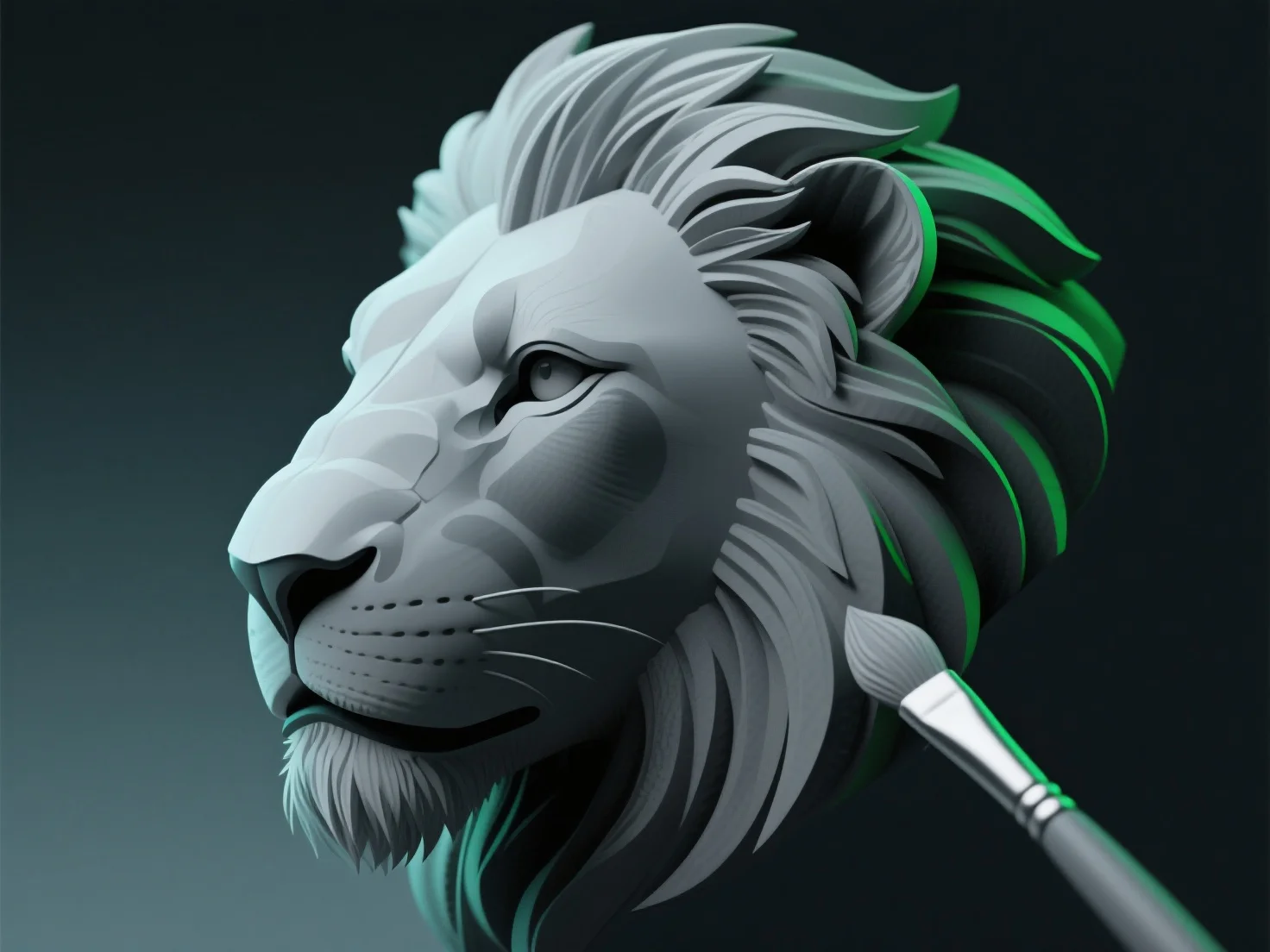
Integrar a escultura e a texturização no design 3D envolve, primeiramente, moldar a estrutura central do modelo através da escultura, e depois transferir esses detalhes para texturas para melhorar o realismo, garantindo que as propriedades da forma e da superfície se alinhem perfeitamente.
Comece por esculpir a forma básica e os detalhes de alta poligonalidade: Esculpir a forma fundamental do modelo e as características intrincadas.
Em seguida, transforme os dados esculpidos em mapas de textura: Converta a profundidade, as bordas e os detalhes esculpidos em mapas técnicos, como mapas normais, de deslocamento ou AO. Estes mapas funcionam como modelos para a texturização, preservando a dimensionalidade da escultura digitalmente.
Por último, alinhe as texturas com os contornos esculpidos: aplique texturas de cor, rugosidade ou especulares que complementem a forma esculpida. Por exemplo, usar tons mais escuros nas dobras ou uma rugosidade maior nas áreas elevadas para imitar o comportamento da superfície no mundo real.
Este fluxo de trabalho garante que as texturas reforcem o design esculpido, criando modelos 3D coesos e realistas, onde a forma e os detalhes da superfície funcionam em harmonia.