


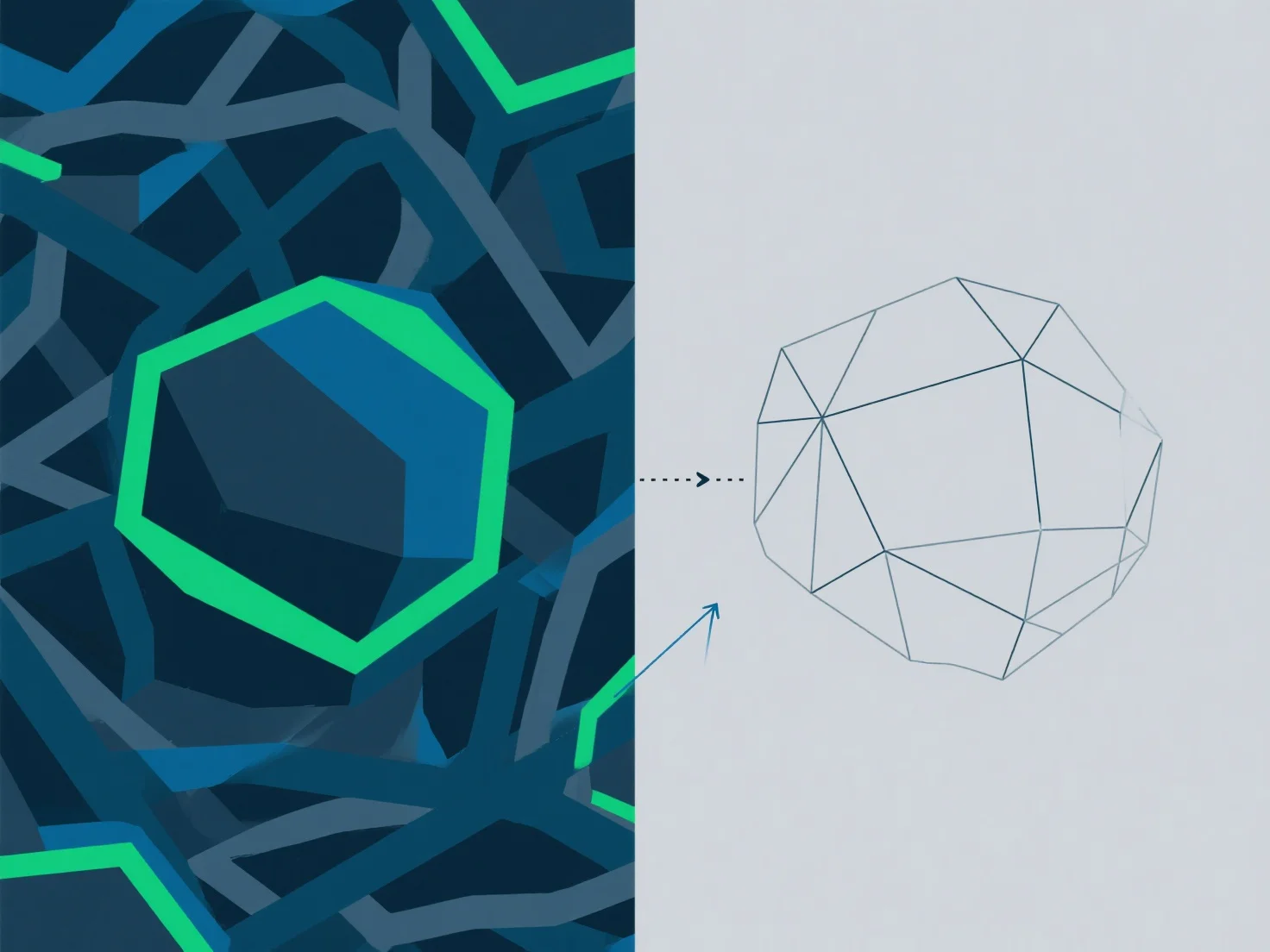
Lidar com formas complexas com uma topologia adequada envolve dividir a forma em subpartes gerenciáveis, alinhar o fluxo de arestas com contornos naturais e manter loops de arestas limpos e uniformemente espaçados para suportar uma deformação e renderização suaves.
- **Decompor a forma**: Divida-a em componentes mais simples (por exemplo, partes do corpo separadas, superfícies curvas) para reduzir a complexidade e simplificar o controlo da topologia. - **Alinhar o fluxo de arestas**: Siga as curvas naturais do objeto (por exemplo, linhas musculares, transições de superfície) para garantir que as arestas suportam a deformação pretendida e evitam distorções. - **Otimizar polígonos**: Utilize a retopologia para minimizar triângulos/n-gons, mantendo o espaçamento das arestas uniforme para uma renderização consistente e flexibilidade de edição. - **Começar com polígonos baixos**: Construa uma malha base primeiro, adicione detalhes gradualmente e verifique problemas de não-manifestação.
Estes passos garantem que a topologia é estruturalmente sólida e otimizada para fluxos de trabalho subsequentes, como animação ou impressão 3D.