


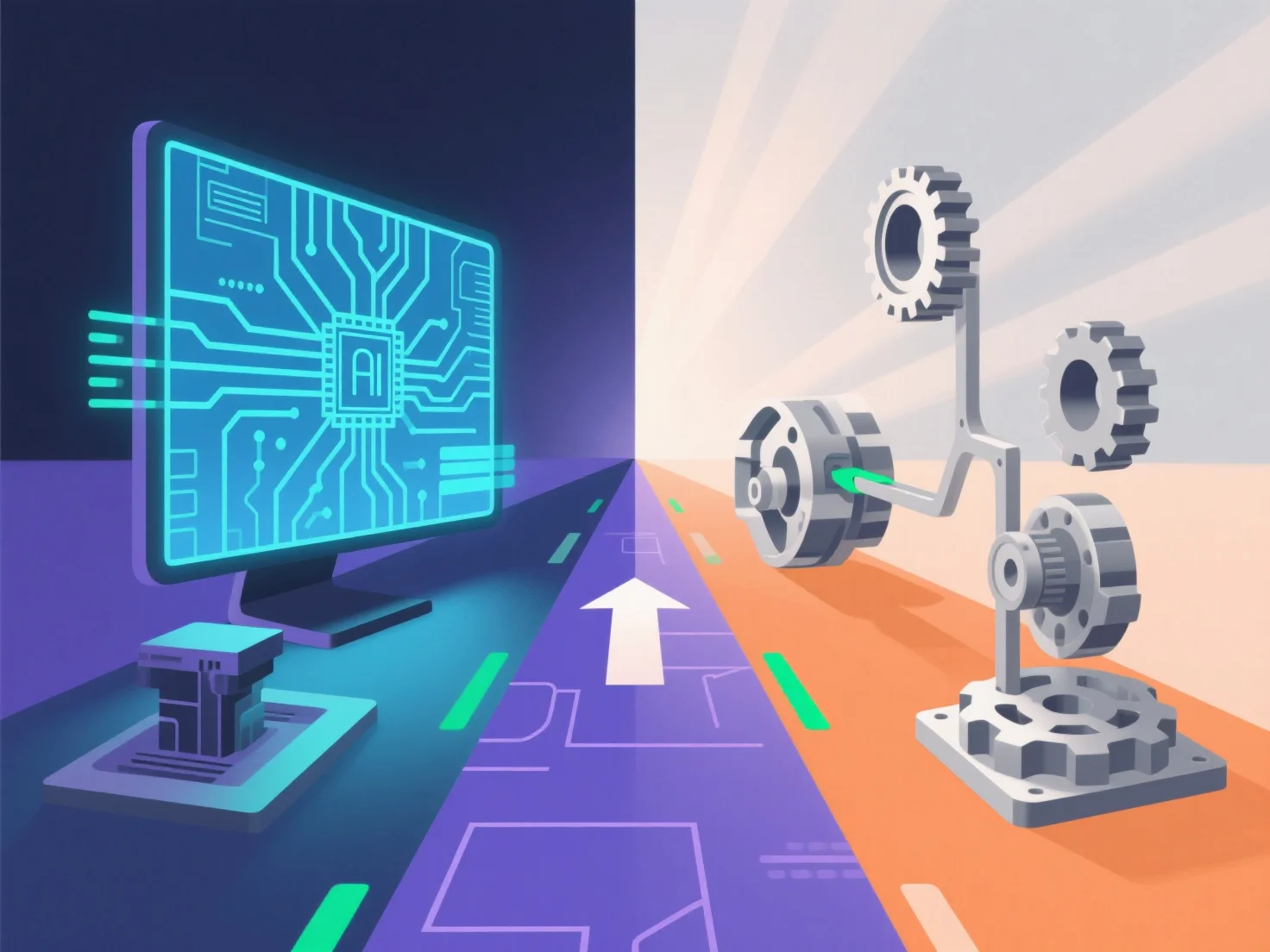
Para garantir que um caminho de solução funcione tanto para a prototipagem de produtos digitais como físicos, ele integra ferramentas de modelagem 3D compatíveis entre si e fluxos de trabalho de validação iterativa, unindo o design digital e a produção física de forma transparente.
- **Modelagem 3D compatível com várias plataformas**: Adote formatos de ficheiro universais (por exemplo, STL, STEP) para garantir que os modelos digitais são compatíveis com impressoras 3D, máquinas CNC ou outras ferramentas de prototipagem física, evitando erros de conversão de formato. - **Validação iterativa**: Comece com simulações digitais.
Este foco duplo na compatibilidade e na validação garante que o caminho da solução suporte de forma fiável as necessidades de prototipagem digital e física.