


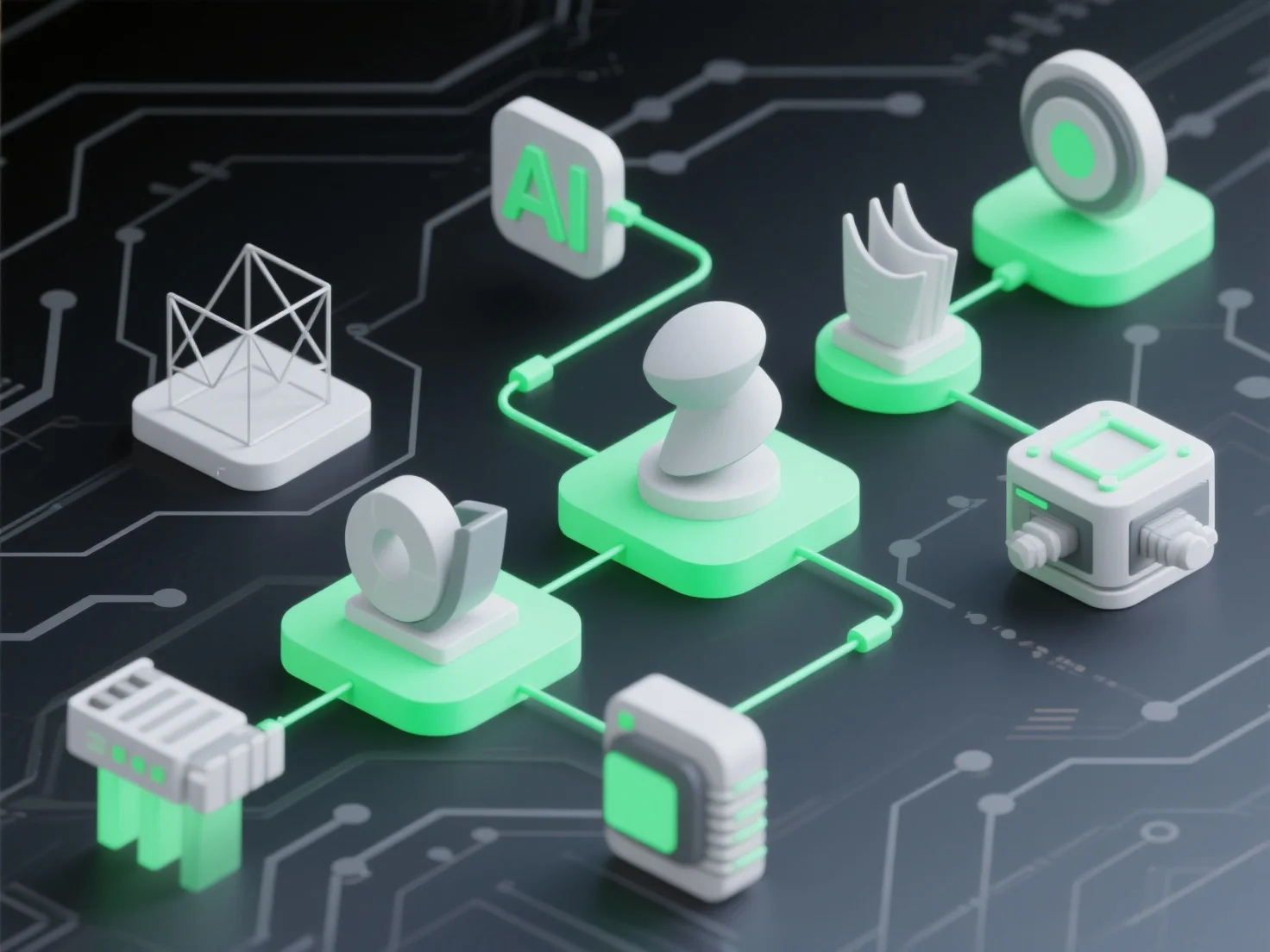
Criar um fluxo de trabalho eficiente combinando diferentes soluções de design 3D requer esclarecer os objetivos do projeto, adaptar as ferramentas às tarefas, garantir a compatibilidade dos dados e automatizar os processos para tirar partido das vantagens únicas de cada ferramenta.
- **Clarifique os objetivos do projeto primeiro**: Defina as tarefas principais (modelagem, texturização, renderização) para alinhar as ferramentas com necessidades específicas, evitando redundâncias. - **Aproveite as forças das ferramentas**: Use software especializado para cada tarefa (por exemplo, Blender para modelagem, Substance Painter para texturização) para maximizar a eficiência. - **Garanta a compatibilidade dos dados**: Opte por ferramentas com suporte a formatos nativos ou use formatos universais (FBX, OBJ) para evitar problemas de transferência. - **Automatize tarefas repetitivas**: Use plugins/scripts para simplificar etapas como a exportação de ativos, reduzindo o trabalho manual e os erros.
Ao integrar estes passos, pode minimizar os atrasos e criar um fluxo de trabalho de design 3D contínuo e produtivo.