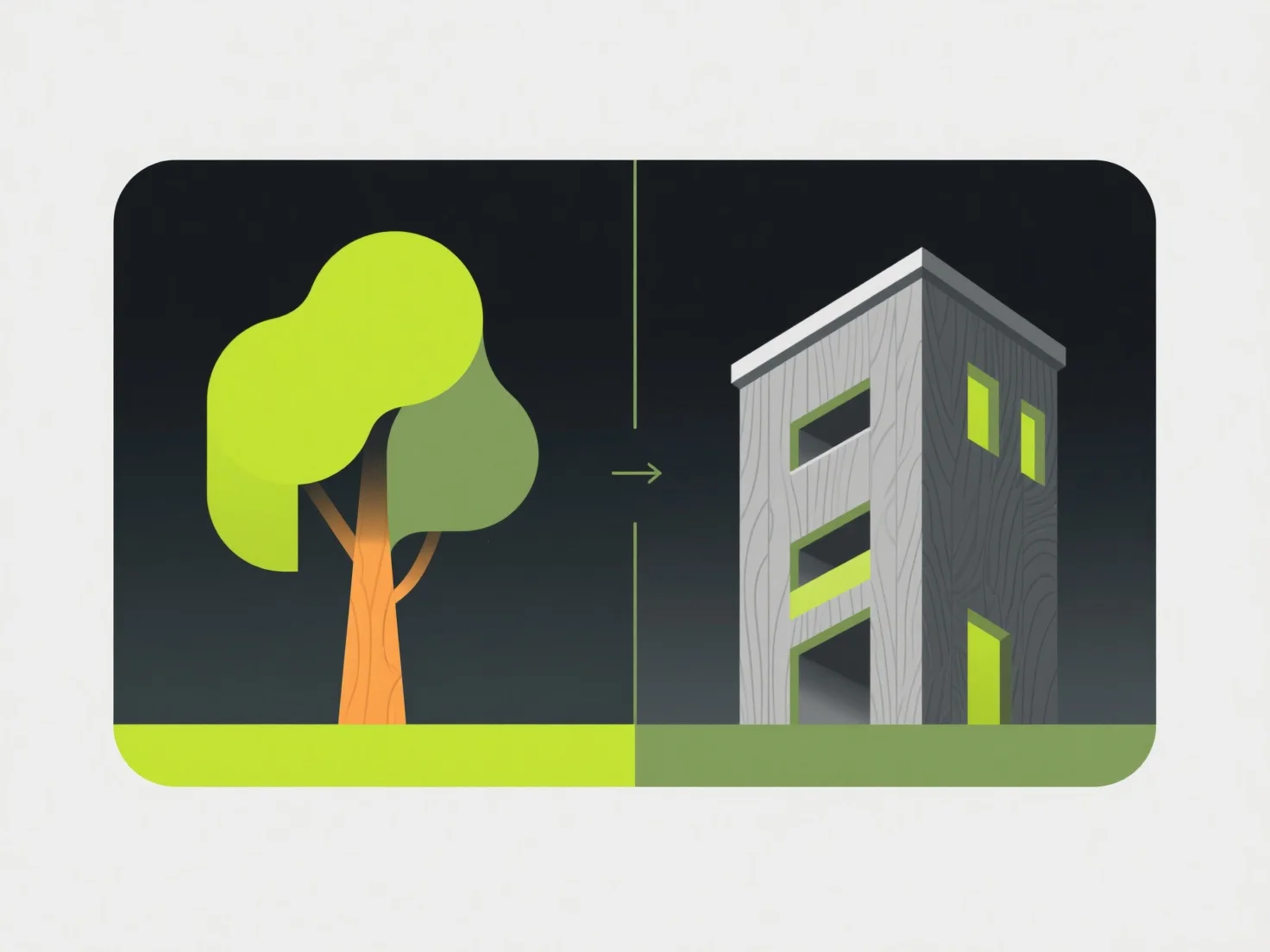
In 3D design, the core difference between stylized and realistic rendering lies in their visual goals—stylized rendering prioritizes artistic, simplified aesthetics with exaggerated or abstract elements, while realistic rendering focuses on accurately replicating lifelike details and natural appearances.
Stylized rendering often uses bold colors, simplified textures, or cartoonish forms to convey a distinct style (e.g., anime, low-poly), valuing artistic expression over realism. Realistic rendering, by contrast, emphasizes precise lighting, material simulation (like metal reflections or fabric textures), and fine details to mimic real-world object looks.
Stylized rendering suits games, animations, or illustrations needing a unique artistic identity; realistic rendering is ideal for architectural visualization, product demos, or films requiring lifelike previews.
