Home/Hitem3D FAQ/What are the adaptation requirements for 3D models used in virtual and augmented reality environments?

What are the adaptation requirements for 3D models used in virtual and augmented reality environments?

3D models for AR/VR need optimized polygons, compatible textures, real-time interaction, and platform testing for smooth immersion.

What are the adaptation requirements for 3D models used in virtual and augmented reality environments?

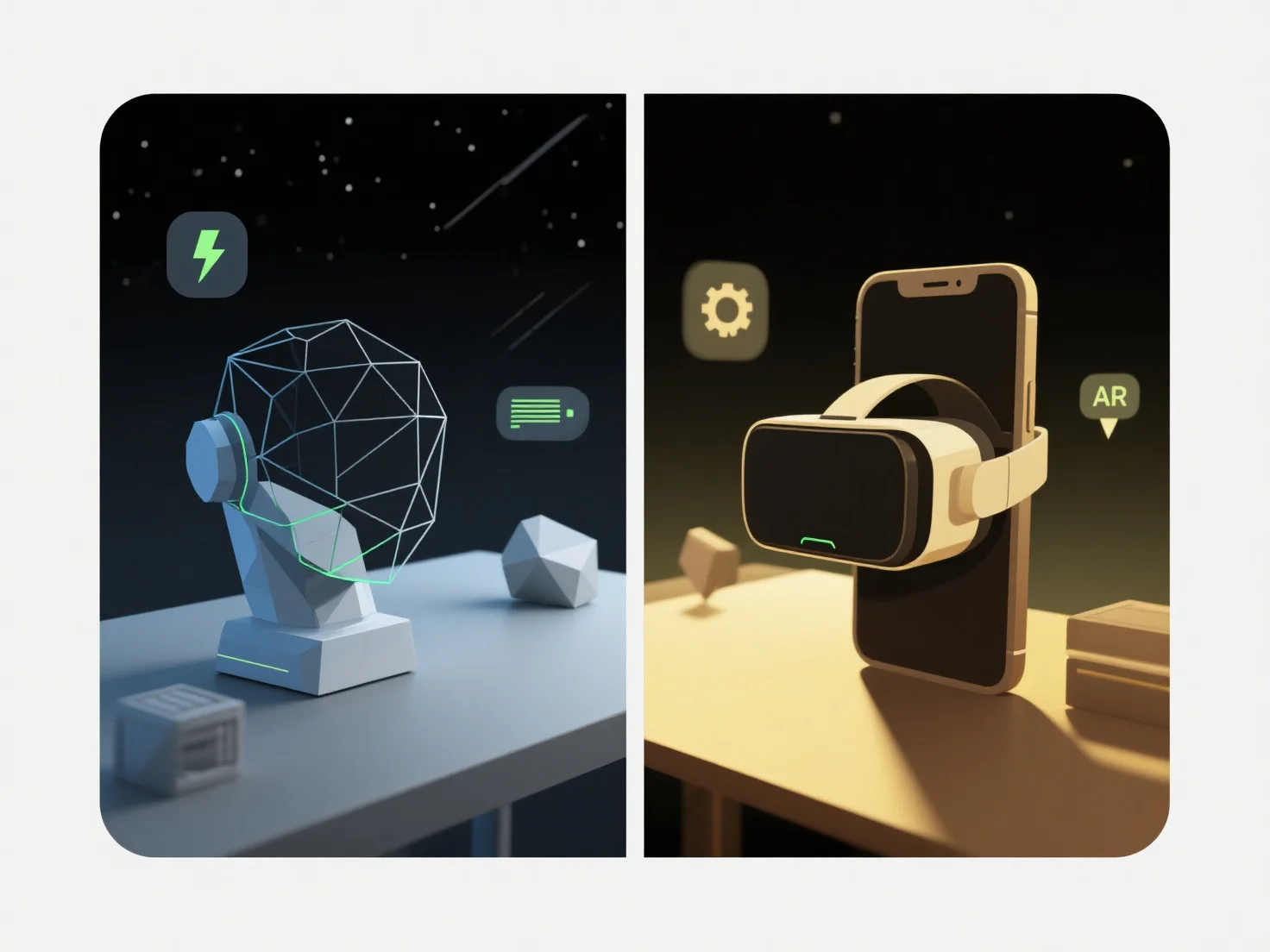
3D models for virtual and augmented reality environments must meet core adaptation requirements: optimizing polygon count, ensuring texture compatibility, and supporting real-time interaction, balancing visual fidelity with runtime performance to avoid lag and maintain immersion.

- **Polygon count**: Use low-poly modeling to reduce computational load, as high polygon counts can cause rendering delays on AR/VR hardware. - **Textures**: Adopt PBR (Physically Based Rendering) workflows for realistic lighting and shading, ensuring compatibility with AR/VR rendering engines. - **Real-time interaction**: Design models to respond smoothly to user input, aligning with hardware processing limits to maintain responsiveness.

Ultimately, testing models on target AR/VR platforms ensures they render smoothly and deliver an immersive experience.

PreviousNext
제품
웹 스튜디오
API 플랫폼
기능
이미지를 3D로
멀티뷰를 3D로
릴리프
세그멘테이션
모델
일반 모델
인물 모델
리소스
블로그
FAQ
API 문서
회사 소개
가격