


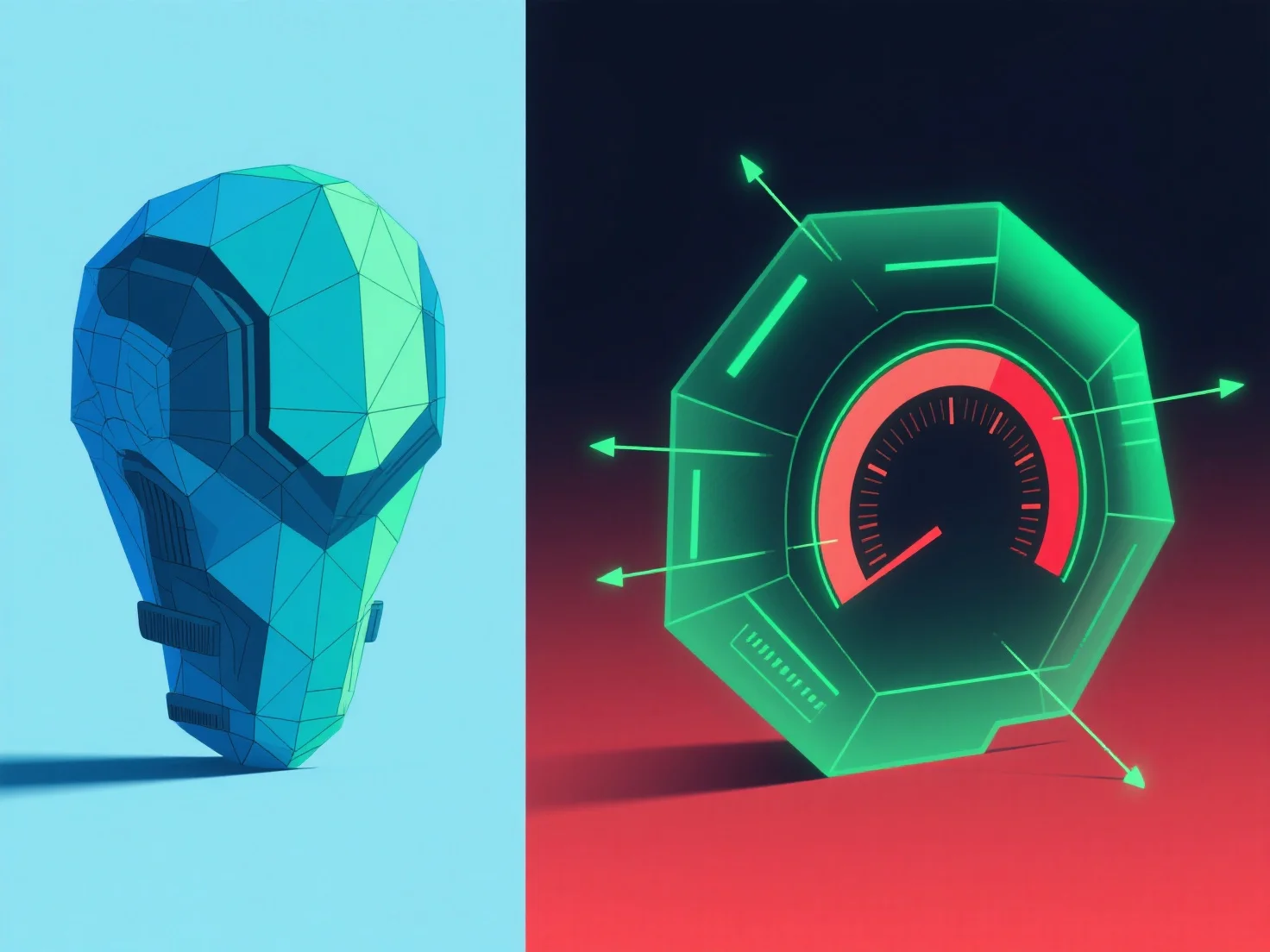
실시간 애플리케이션을 위한 3D 모델의 적응은 지오메트리, 텍스처, 셰이더를 최적화하여 성능과 품질을 절충하는 것을 필요로 하며, 시각적 무결성을 유지하는 동시에 매끄러운 렌더링을 보장합니다.
주요 단계는 다음과 같습니다: - **지오메트리 최적화**: 데시메이션 도구를 사용하여 폴리곤 수를 줄이고 트라이얼 수를 줄이며, 중요한 세부사항(예: 캐릭터 모델의 얼굴 특징)을 유지하도록 합니다. - **텍스처 최적화**: 텍스처를 압축하고(예: ASTC 형식 사용) 미핑을 구현하여 메모리 사용량을 줄이고 로드 속도를 높입니다. - **셰이더 단순화**: 가벼운 셰이더를 사용하며, 복잡한 효과(예: 실시간 반사)를 제한하여 GPU에 과도한 부하를 주지 않도록 합니다. - **하드웨어 최적화**: 타깃 장치에 최적화된 설정을 적용합니다.
이 접근 방식은 모형이 핵심 시각적 품질을 희생하지 않고 프레임 속도 요구 사항을 만족시키는 것을 보장합니다.