Home/Hitem3D FAQ/How does VR-based 3D presentation differ from desktop 3D experiences?

How does VR-based 3D presentation differ from desktop 3D experiences?

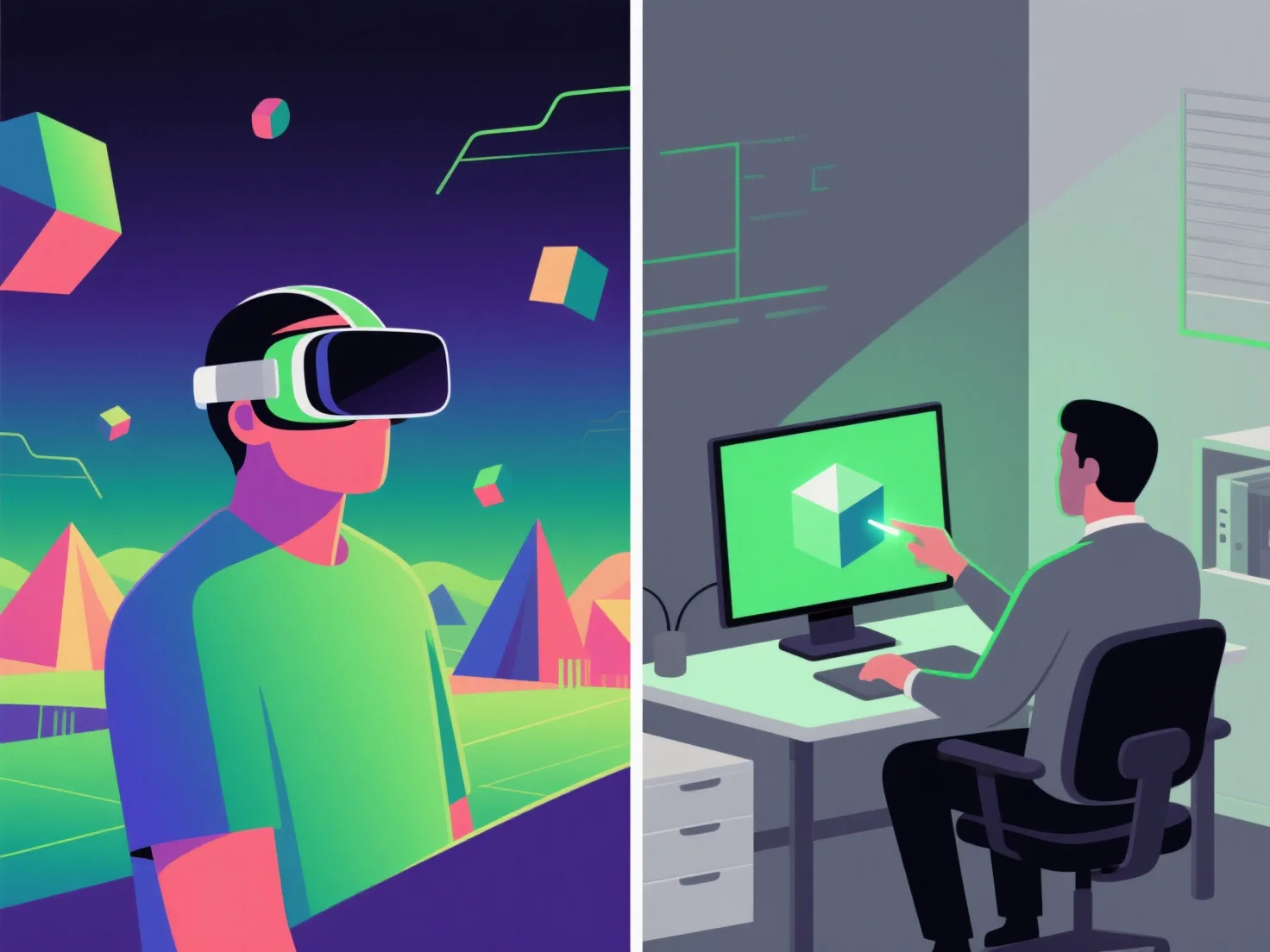
VR-based 3D differs from desktop 3D in immersion depth, interaction methods, and use case focus.

How does VR-based 3D presentation differ from desktop 3D experiences?

VR-based 3D presentation differs from desktop 3D experiences primarily in immersion depth, interaction methods, and use case focus. VR uses head-mounted displays to deliver a fully enclosed 360° virtual environment, creating strong spatial presence where users feel "inside" the 3D space. In contrast, desktop 3D presents 3D models on a flat screen with fixed viewing angles, offering limited immersion. VR interaction relies on natural body movements—such as hand tracking, head rotation, or gesture control—for intuitive engagement with 3D objects. Desktop 3D, however, uses mouse, keyboard, or touch inputs to manipulate models on-screen, with less physical involvement. VR excels in scenarios needing deep immersion, like training simulations or immersive gaming. Desktop 3D is ideal for screen-based tasks such as architectural previews or educational demos where quick, accessible 3D viewing suffices. In short, VR prioritizes immersion and natural interaction, while desktop 3D offers practical, screen-bound 3D access.

PreviousNext
제품
웹 스튜디오
API 플랫폼
기능
이미지를 3D로
멀티뷰를 3D로
릴리프
세그멘테이션
모델
일반 모델
인물 모델
리소스
블로그
FAQ
API 문서
회사 소개
가격