Home/Hitem3D FAQ/How does subsurface scattering work in materials like skin or wax in 3D rendering?

How does subsurface scattering work in materials like skin or wax in 3D rendering?

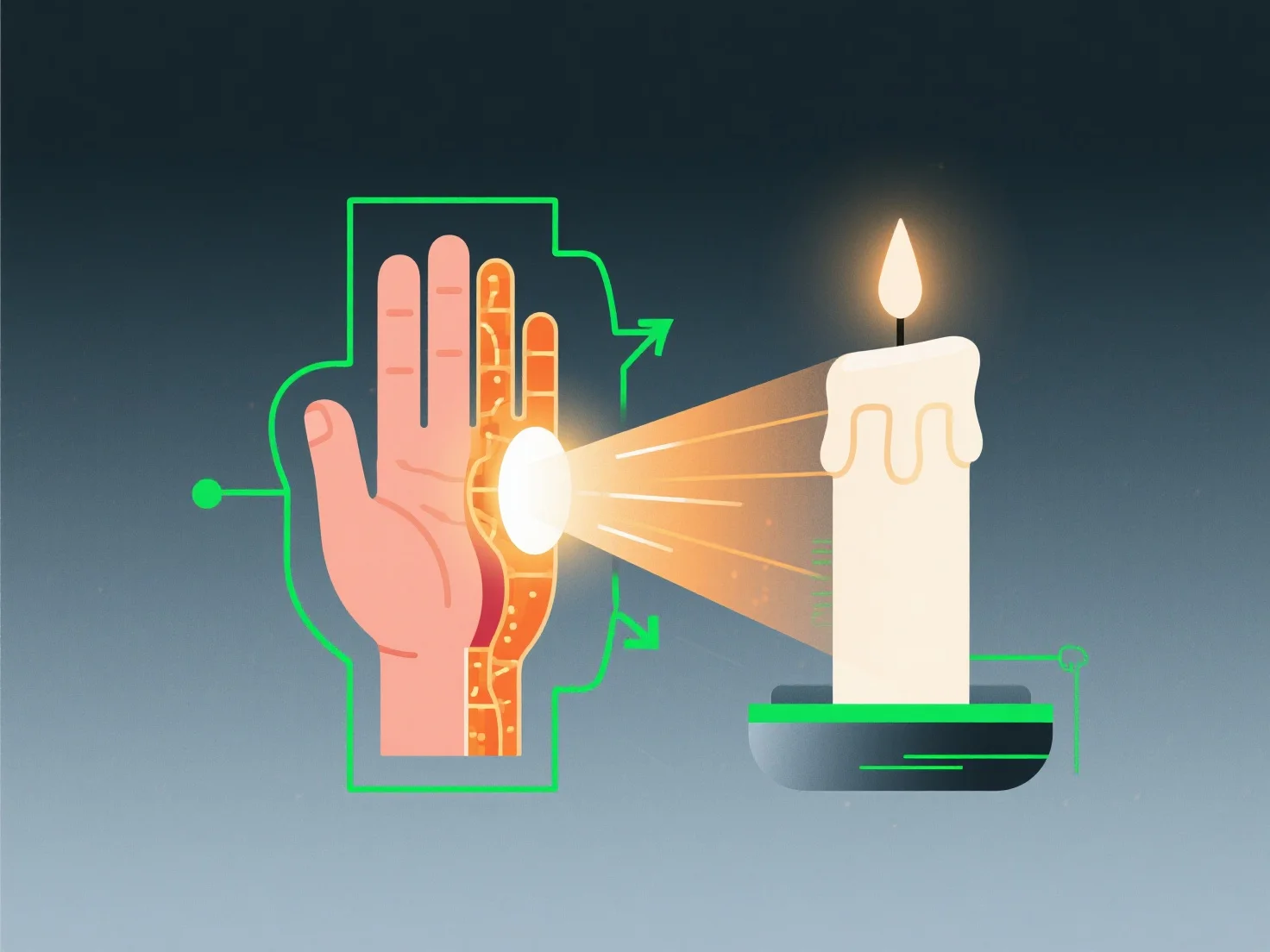
Subsurface scattering in 3D rendering simulates light penetration, internal scattering, and exit in translucent materials for natural softness and glow.

How does subsurface scattering work in materials like skin or wax in 3D rendering?

Subsurface scattering in 3D rendering simulates how light penetrates, scatters internally, and exits translucent materials like skin or wax, creating natural softness and a lifelike glow. Light photons enter the material and scatter off internal particles—such as collagen in skin or wax molecules—bouncing multiple times before re-emerging at varying points, unlike opaque surfaces that reflect light sharply. Adjusting parameters like scattering depth (how far light travels) and color absorption (e.g., red wavelengths for skin) enhances realism, ensuring the material looks authentic without complex setups. This process mimics real-world light behavior, resulting in the diffused, glowing appearance characteristic of skin, wax, and other translucent materials in 3D renders.

PreviousNext
제품
웹 스튜디오
API 플랫폼
기능
이미지를 3D로
멀티뷰를 3D로
릴리프
세그멘테이션
모델
일반 모델
인물 모델
리소스
블로그
FAQ
API 문서
회사 소개
가격