


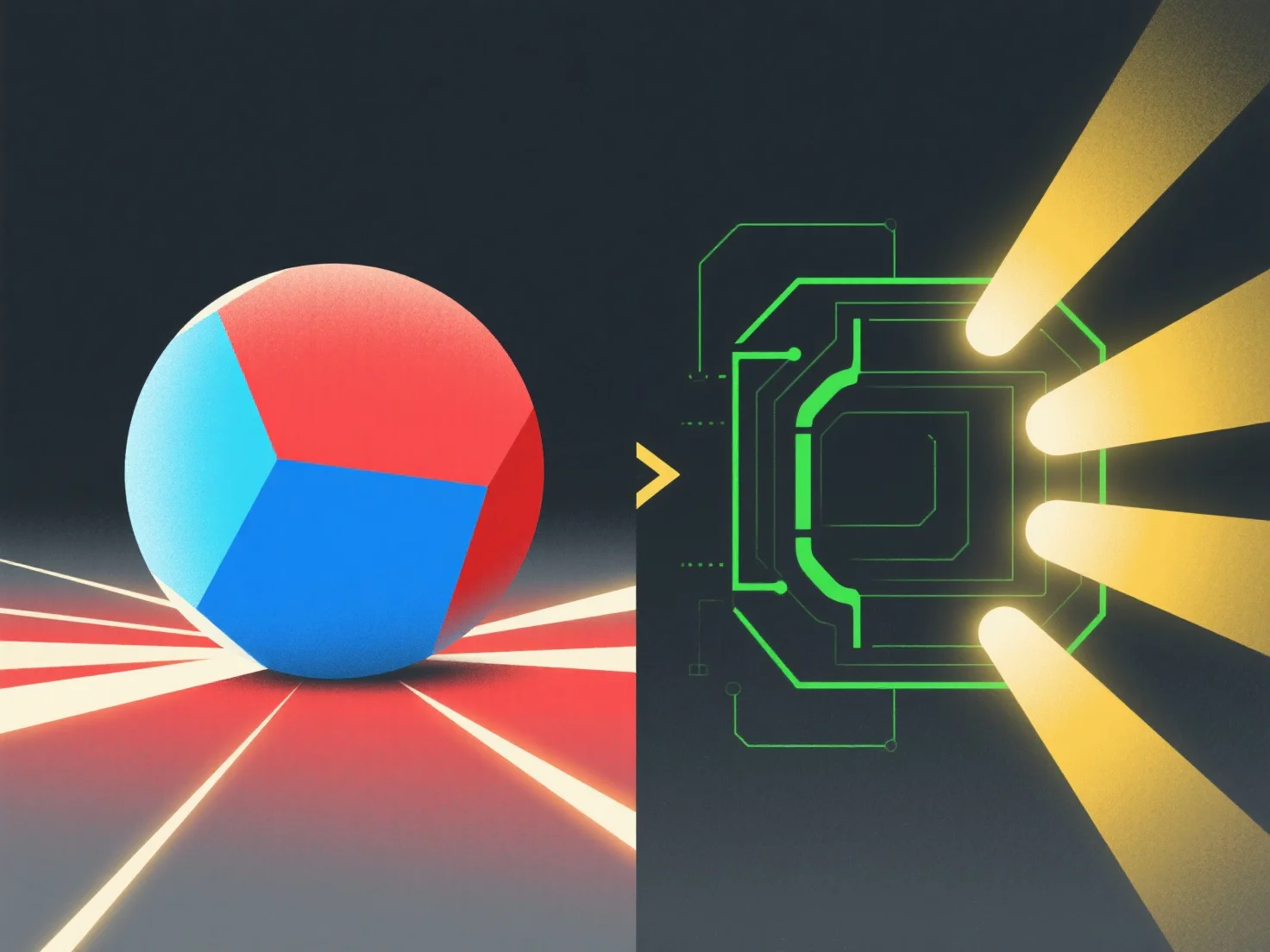
실시간 렌더링은 속도를 우선시하기 위해 광원 계산을 단순화하지만, 오프라인 렌더러는 더 높은 품질을 위해 복잡하고 물리적으로 정확한 시뮬레이션을 사용합니다.
실시간 렌더링은 종종 그림자 맵이나 환경 오클루전 같은 근사 기법을 사용하여 계산 부하를 줄이며, 비디오 게임 같은 애플리케이션에서 즉시 시각적 피드백을 제공합니다. 이와는 대조적으로, 오프라인 렌더러는 패스 트레이싱이나 글로벌 일루미네이션 같은 방법을 사용하여 빛의 반사와 상호 작용을 정확하게 시뮬레이션하며, 더 현실적인 조명을 제공하지만, 영화 CGI나 건축 시각화 등에서 오랜 렌더링 시간이 필요합니다.
빠른 미리보기나 대화식 경험을 위해서는 실시간 렌더링이 이상적입니다. 고해상도, 상세한 조명 효과를 원하는 경우에는 오프라인 렌더링이 더 적합합니다.