Home/Hitem3D FAQ/How does 3D texture mapping differ from traditional 2D texture mapping?

How does 3D texture mapping differ from traditional 2D texture mapping?

3D texture mapping uses 3D volume data for interior textures, unlike 2D's surface-only 2D images.

How does 3D texture mapping differ from traditional 2D texture mapping?

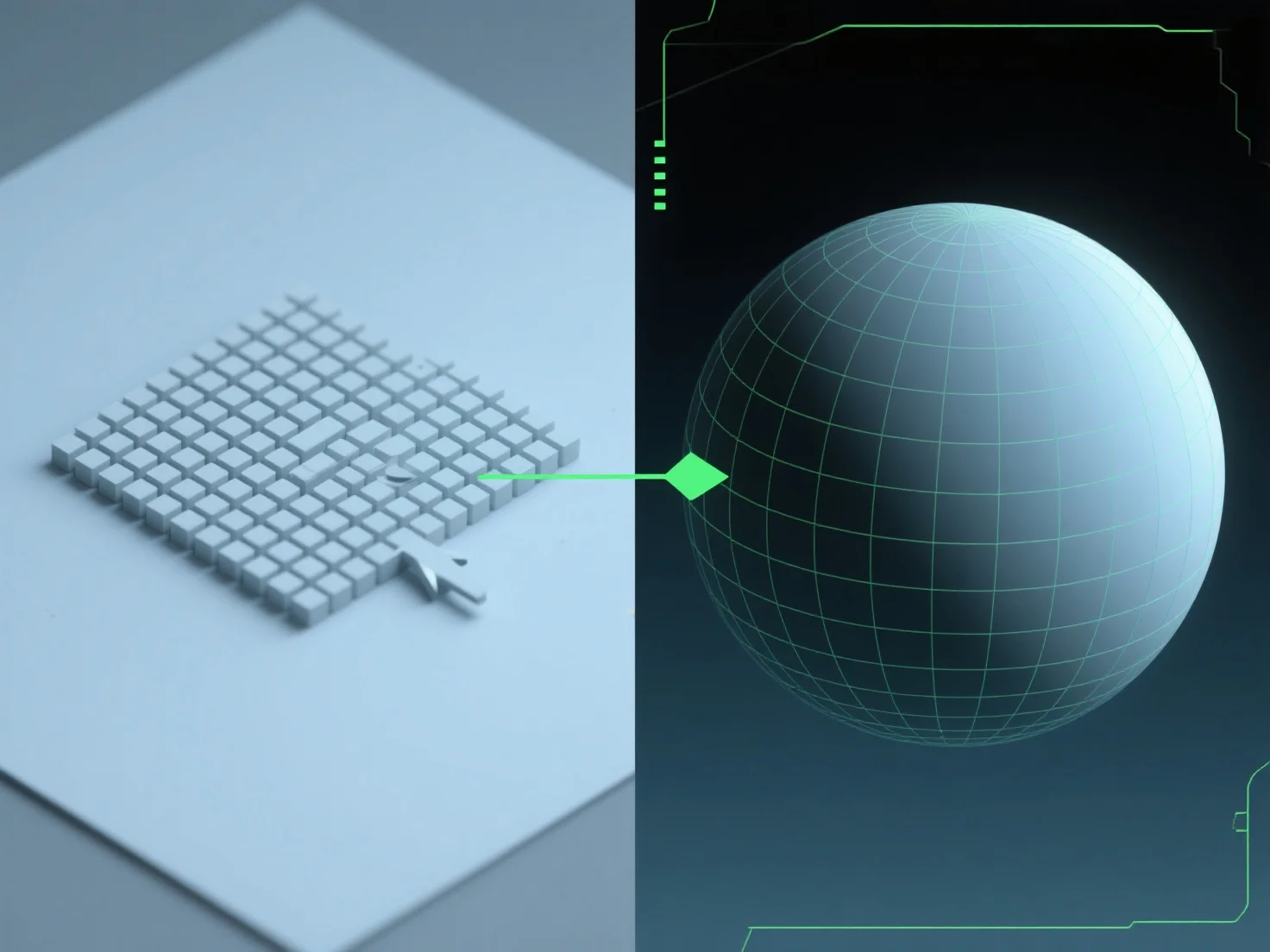
3D texture mapping differs from traditional 2D texture mapping primarily by using 3D volume data instead of 2D images, enabling textures to exist throughout a 3D model’s interior rather than just on its surface.

- **2D texture mapping**: Wraps 2D images (e.g., photos, patterns) onto a model’s surface to simulate surface details like color or texture, limited to external surfaces. - **3D texture mapping**: Embeds texture data in 3D space, allowing textures to permeate the model’s volume—ideal for volumetric effects such as realistic clouds, subsurface scattering (e.g., skin, marble), or internal material details (e.g., wood grain depth).

This makes 3D mapping more suitable for applications requiring depth and internal texture realism, unlike 2D’s surface-only focus.

PreviousNext
제품
웹 스튜디오
API 플랫폼
기능
이미지를 3D로
멀티뷰를 3D로
릴리프
세그멘테이션
모델
일반 모델
인물 모델
리소스
블로그
FAQ
API 문서
회사 소개
가격