


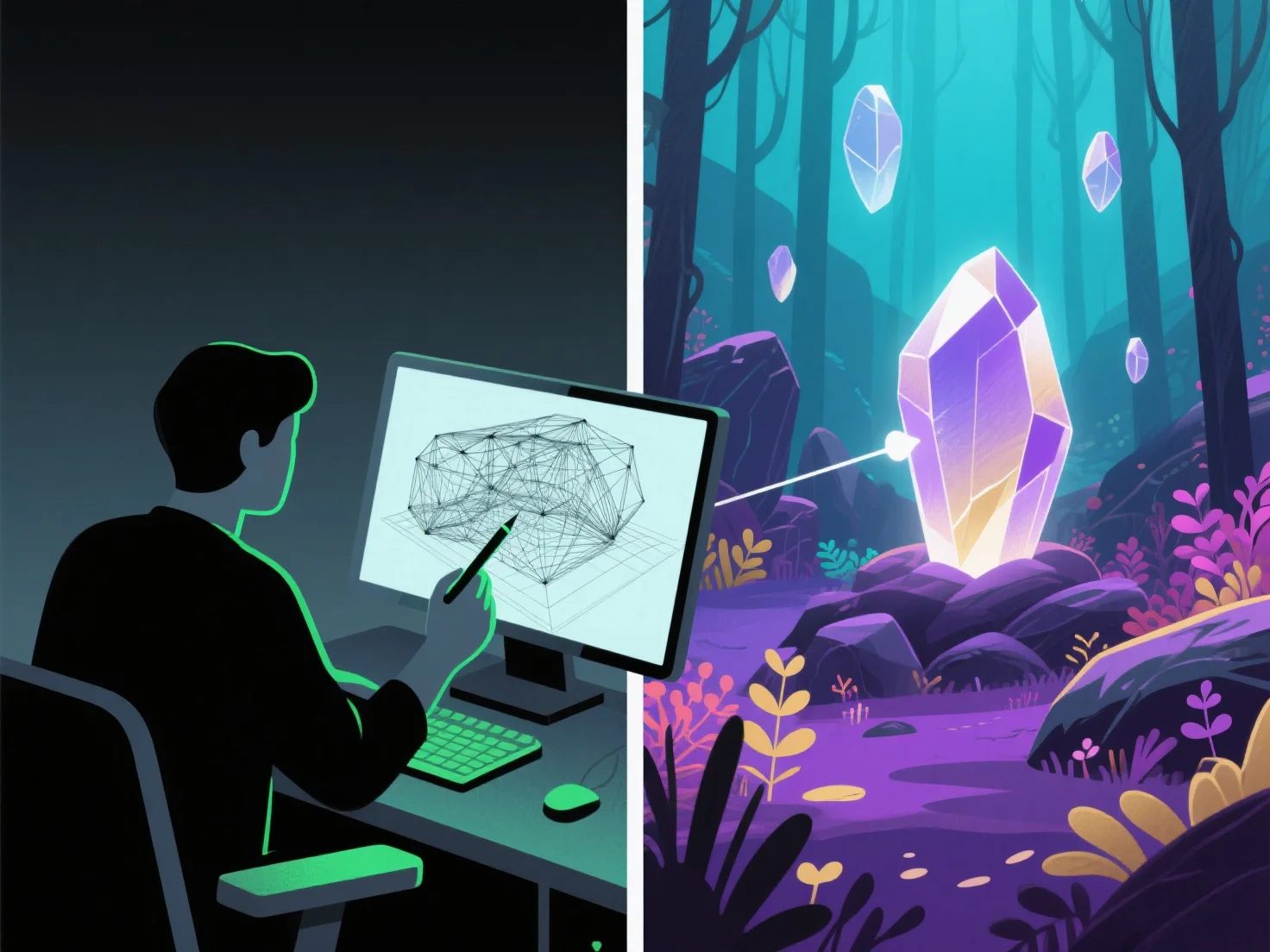
3D 모델러들은 구조화된 프로세스를 통해 몰입감, 기능성, 하드웨어 최적화의 균형을 유지하여 VR 환경을 설계합니다.
그들은 사용자 상호 작용 요구 사항과 공간 규모를 정의하여 사용성을 보장하는 것으로 시작한 다음, 레이아웃과 주요 요소를 설명하는 초기 스케치나 스토리보딩을 만듭니다. 다음으로, Blender 또는 Maya와 같은 소프트웨어를 사용하여 3D 자산(지형, 객체, 텍스처)을 모델링하며, 이때에는 VR 하드웨어의 지연을 방지하기 위해 저용량 및 최적화된 크기에 초점을 맞춘다. 조명, 사운드 디자인, 물리학 시뮬레이션은 현실성을 향상시키기 위해 추가되며, 반복적인 테스트는 사용자의 편안함을 향상시킵니다. 예를 들면, 카메라 전환을 매끄럽게 하여 모션 시환을 줄이는 것입니다.
입문자들은 유니티나 언리얼 엔진의 단순한 장면들로 시작하여 사용자 중심의 최적화에 대한 기본 기술을 습득하는 데 도움이 됩니다.