


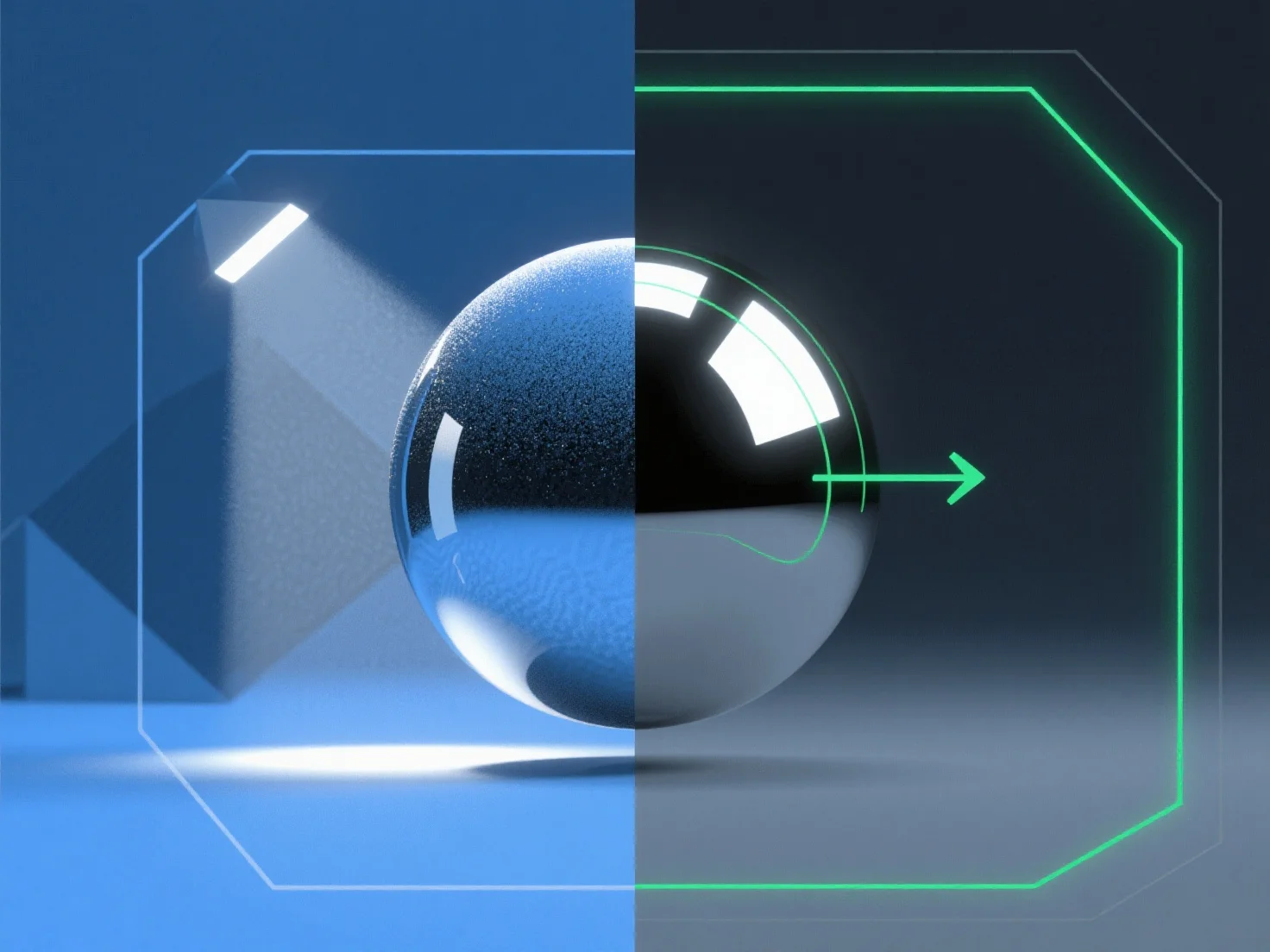
실시간 렌더링에서는 성능 요구 사항을 충족시키기 위해 반사를 단순화하고 근사적으로 처리하지만, 오프라인 렌더링은 엄격한 시간 제한이 없이 정확하고 상세한 반사 계산을 수행할 수 있습니다.
실시간 방법들은 종종 화면 공간 반성(SSR) 또는 큐브 맵을 사용하여 반성을 신속하게 시뮬레이션하며, 완벽한 정확성보다는 프레임 속도에 우선순위를 두습니다. 그러나, 오프라인 렌더링은 일반적으로 광선 추적 또는 글로벌 일루미네이션을 사용하여 물리적으로 정확하고 현실적인 반성을 계산하기 위해 빛 경로를 추적합니다.
비디오 게임이나 대화식 애플리케이션의 경우, 실시간 반성은 원활한 사용자 상호 작용을 보장합니다. 고급 시각화나 영화의 경우, 상세한 반성을 통한 오프라인 렌더링은 시각적 정확도를 향상시킵니다.