Home/Hitem3D FAQ/How are errors in a 3D model identified and corrected during the process?

How are errors in a 3D model identified and corrected during the process?

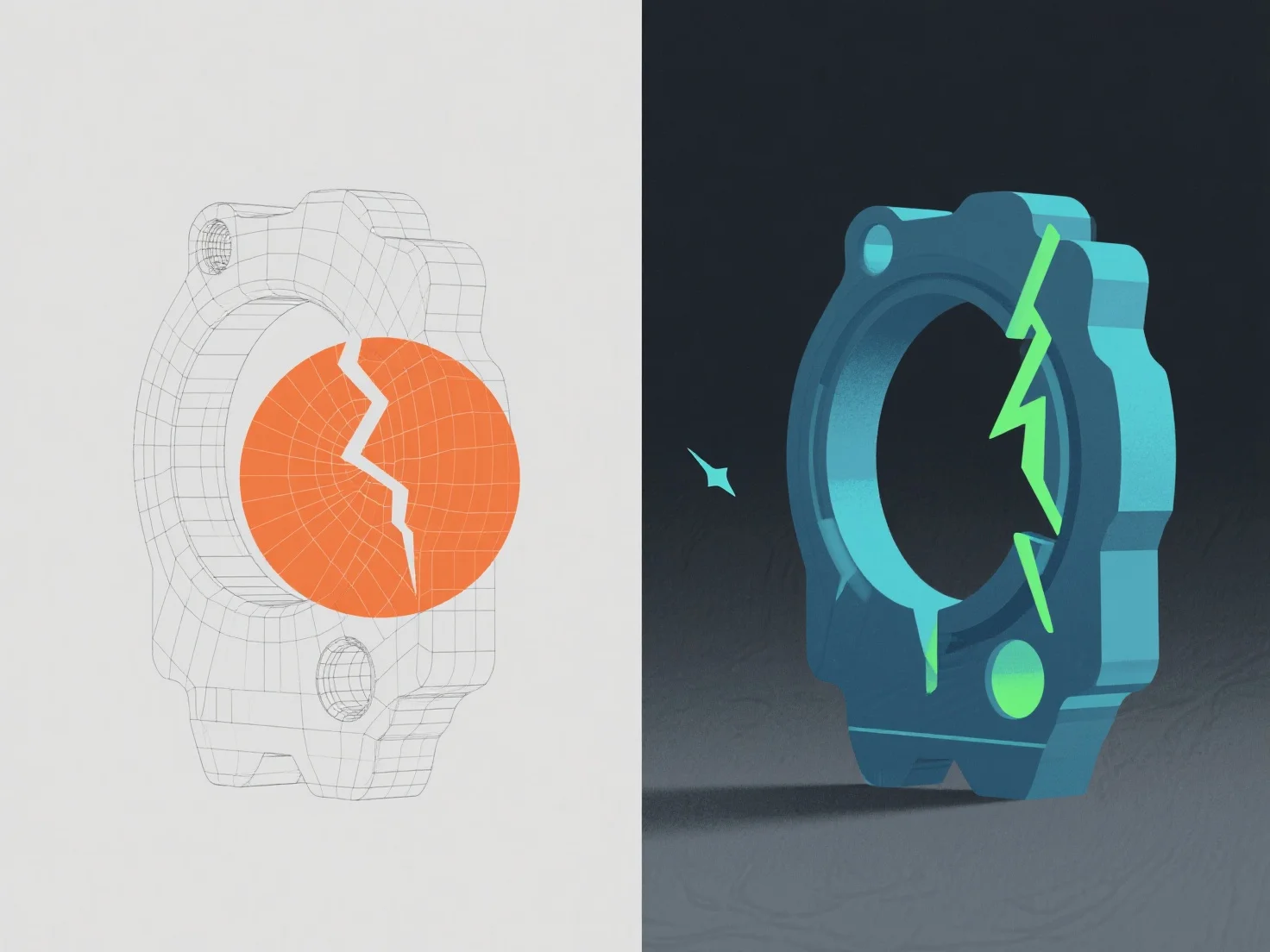
3D model errors are identified via software and manual checks, corrected by adjusting geometry, topology, or textures to meet standards.

How are errors in a 3D model identified and corrected during the process?

Errors in a 3D model are identified through software validation tools and manual inspection, then corrected by adjusting geometry, topology, or texture data.

Common issues include non-manifold edges (flagged by tools like Blender’s Mesh Analysis, fixed by merging or deleting excess vertices), flipped normals (detected via shading gaps, corrected by recalculating normals), and texture stretching (spotted in UV unwrapping tools, adjusted by refining UV maps).

Automated checks in Maya or ZBrush first catch basic errors, while manual review ensures visual/technical consistency, ensuring the model meets project standards like mesh integrity and rendering readiness.

PreviousNext
제품
웹 스튜디오
API 플랫폼
기능
이미지를 3D로
멀티뷰를 3D로
릴리프
세그멘테이션
모델
일반 모델
인물 모델
리소스
블로그
FAQ
API 문서
회사 소개
가격