Home/Hitem3D FAQ/What does high-poly modeling mean and how does it differ from low-poly modeling in 3D production?

What does high-poly modeling mean and how does it differ from low-poly modeling in 3D production?

High-poly 3D models have many polygons for detail (non-interactive use), low-poly fewer for efficiency (interactive applications).

What does high-poly modeling mean and how does it differ from low-poly modeling in 3D production?

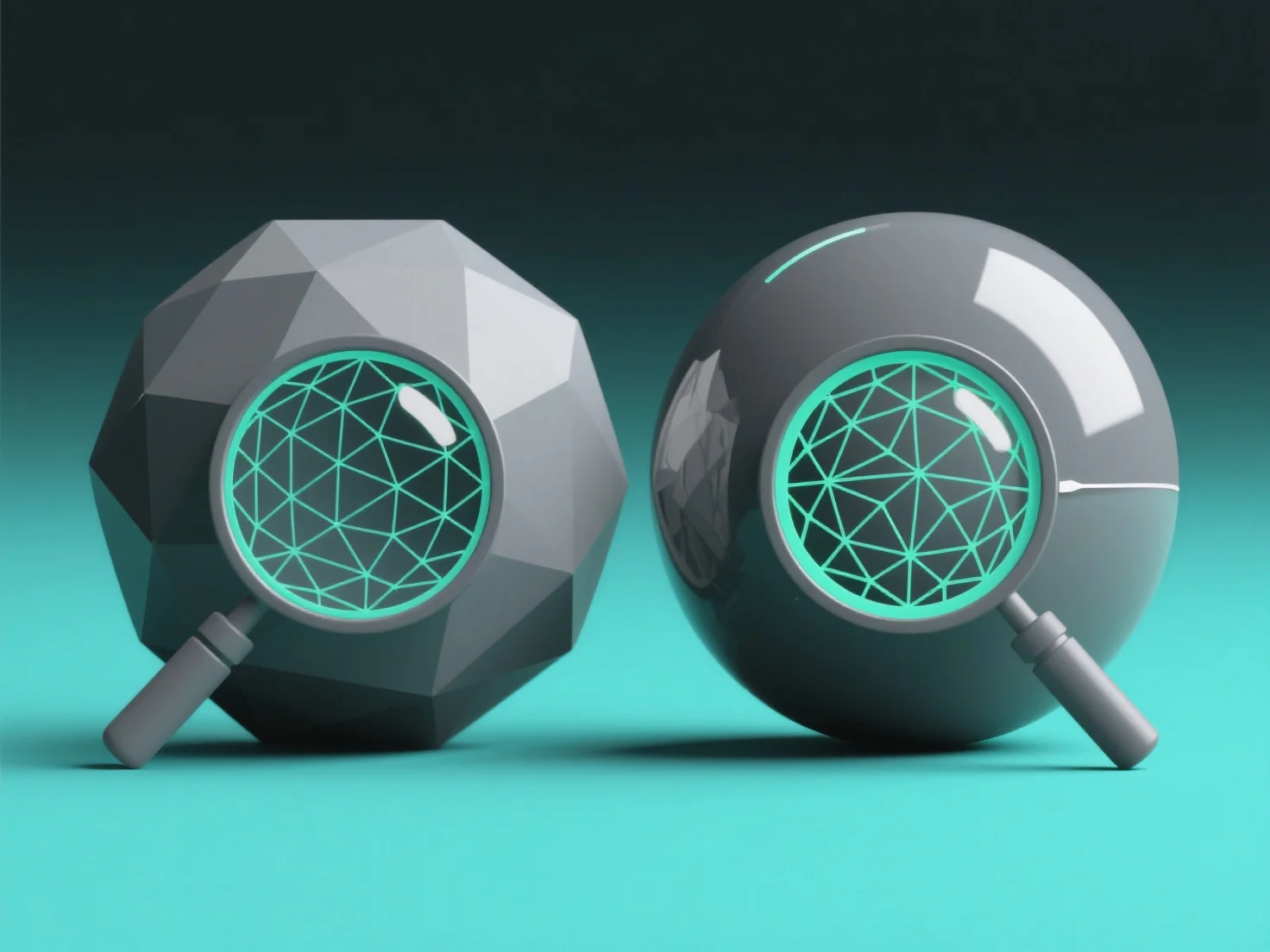
High-poly modeling creates 3D models with a large polygon count for extreme detail, while low-poly uses fewer polygons for simplicity and efficiency—core differences lie in detail focus and application scenarios.

High-poly prioritizes visual fidelity, with dense polygons capturing fine details (e.g., character skin pores, product surface textures). It’s used in pre-rendered content like film animations, architectural visualizations, or high-end product renders where rendering time is flexible.

Low-poly emphasizes performance, with sparse polygons reducing rendering load. It suits real-time applications: video games (smooth frame rates), AR/VR (lag-free interaction), or mobile apps (quick loading).

Choose high-poly for hyper-realistic, non-interactive projects; low-poly for interactive, performance-critical 3D work.

PreviousNext
製品
Webスタジオ
APIプラットフォーム
機能
画像から3Dへ
マルチビューから3Dへ
リリーフ
セグメンテーション
モデル
汎用モデル
ポートレートモデル
リソース
ブログ
よくある質問
APIドキュメント
私たちについて
料金