Home/Hitem3D FAQ/What are reflection maps and how are they applied to materials in 3D modeling?

What are reflection maps and how are they applied to materials in 3D modeling?

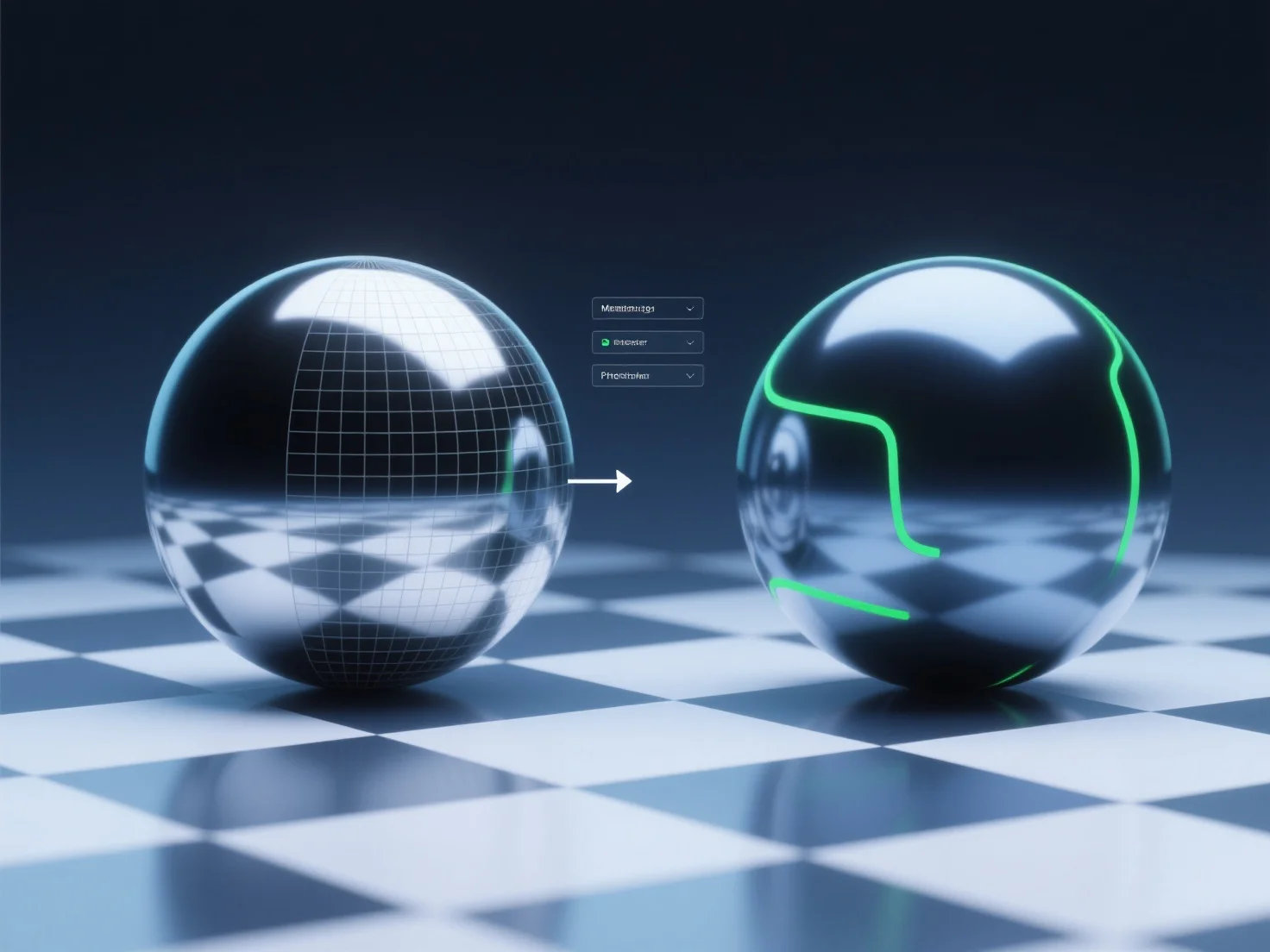
Reflection maps are 2D images simulating light reflection on 3D surfaces, enhancing realism and saving rendering time.

What are reflection maps and how are they applied to materials in 3D modeling?

Reflection maps are 2D images that simulate light reflection on 3D material surfaces, enhancing realism by mimicking how materials reflect their surroundings.

- **Core Function**: They replicate real-world reflections (e.g., a room in metal or nearby objects in glass) without complex lighting setups, saving rendering time. - **Application Method**: The 2D image is mapped to the material’s reflection properties (e.g., glossiness, metallicness), dictating light bounce behavior on the surface. - **Key Use Cases**: Ideal for materials like car paint, polished stone, or glass, adding lifelike details to make 3D surfaces look more authentic.

PreviousNext
製品
Webスタジオ
APIプラットフォーム
機能
画像から3Dへ
マルチビューから3Dへ
リリーフ
セグメンテーション
モデル
汎用モデル
ポートレートモデル
リソース
ブログ
よくある質問
APIドキュメント
私たちについて
料金