Home/Hitem3D FAQ/How is rigging used to animate 3D models?

How is rigging used to animate 3D models?

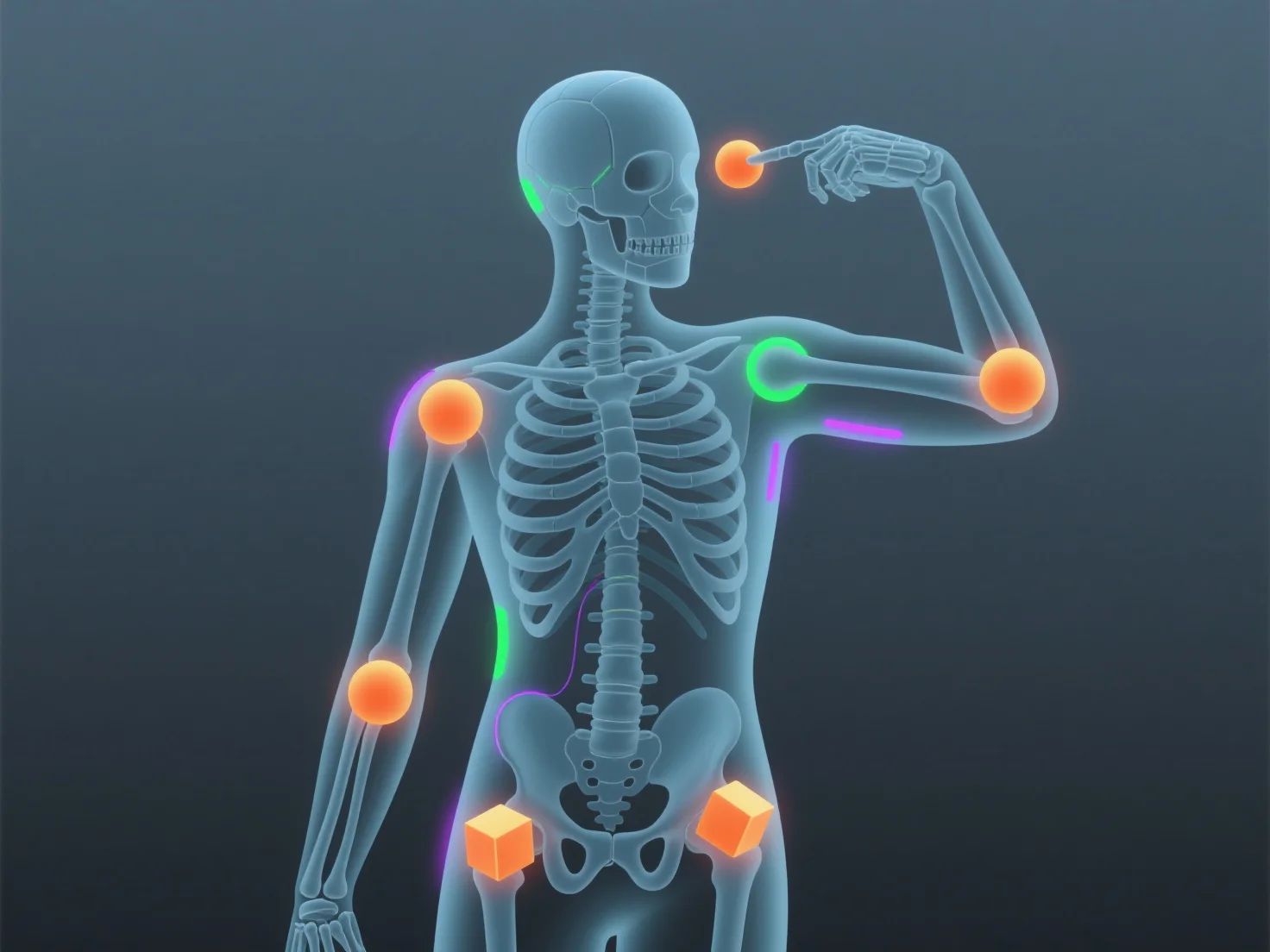
Rigging animates 3D models via a digital skeleton bound to the mesh, enabling controlled, lifelike movements.

How is rigging used to animate 3D models?

Rigging animates 3D models by building a digital skeleton (armature) with bones and joints, which controls the model’s movements when mapped to its mesh.

- **Skeleton Design**: Animators create bones (e.g., spine, limbs) and joints to mimic real anatomy, forming the rig’s core structure. - **Mesh Binding**: The skeleton is linked to the 3D model’s mesh, so moving bones (e.g., bending an arm) deforms the mesh naturally. - **Animation Control**: Adjusting bone positions (keyframes) lets animators craft motions like walking or facial expressions, as the rig ensures smooth, lifelike movement.

This bridges 3D modeling and animation, making models responsive and easy to animate, even for beginners using simple rigs.

PreviousNext
製品
Webスタジオ
APIプラットフォーム
機能
画像から3Dへ
マルチビューから3Dへ
リリーフ
セグメンテーション
モデル
汎用モデル
ポートレートモデル
リソース
ブログ
よくある質問
APIドキュメント
私たちについて
料金