ホーム/Hitem3D FAQ/How does the layering of components affect the final 3D scene?

How does the layering of components affect the final 3D scene?

Intentional layering in 3D scenes balances visual hierarchy, spatial depth, and rendering efficiency for polished results.

How does the layering of components affect the final 3D scene?

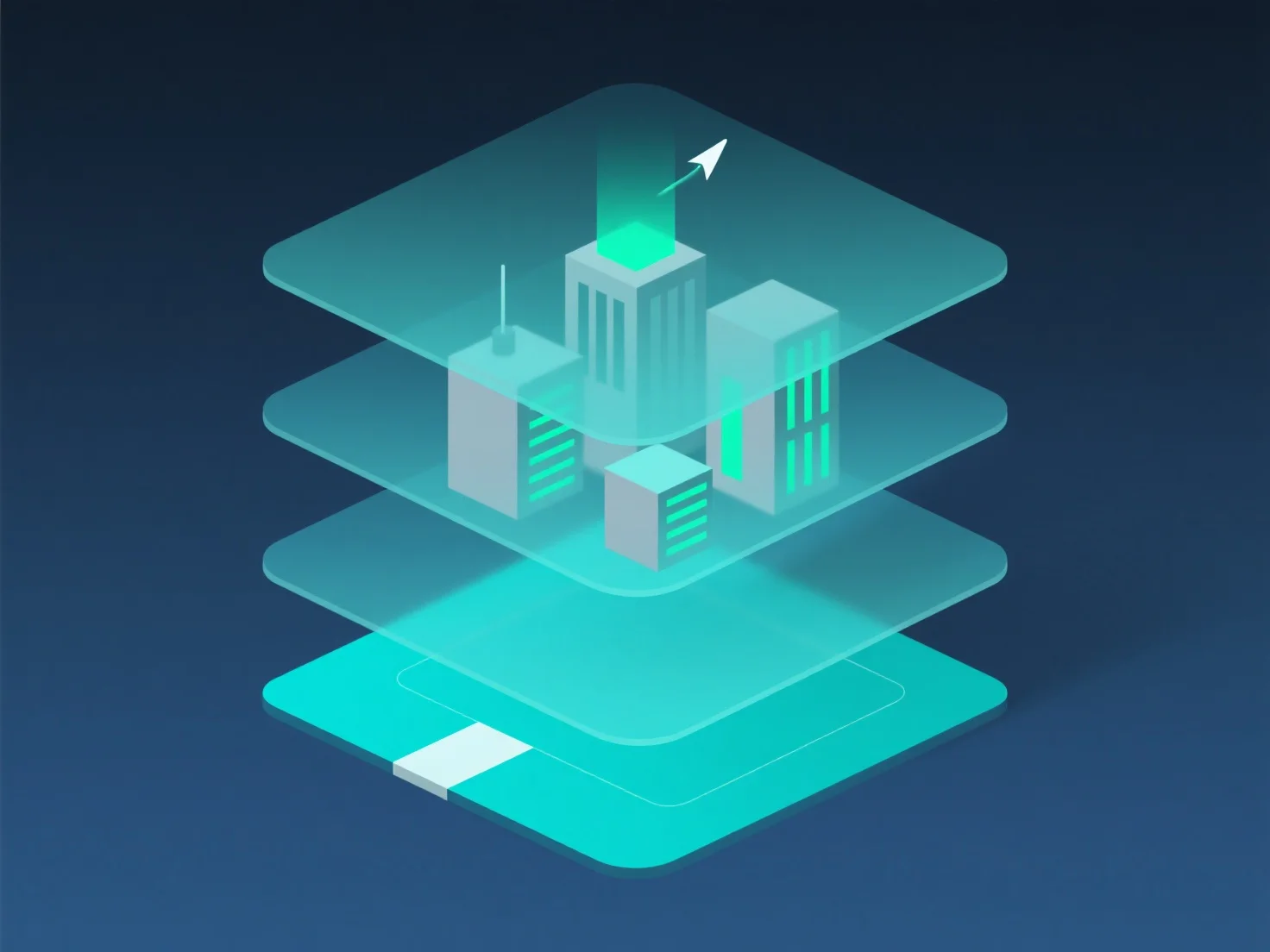
The layering of components directly influences the visual hierarchy, spatial depth, and rendering efficiency of the final 3D scene, shaping how elements interact and appear to viewers.

- **Visual Hierarchy**: Proper layering organizes elements (e.g., models, textures, lights) to clarify foreground-background relationships, ensuring key objects stand out and reducing visual clutter. - **Spatial Depth**: It enhances immersion by separating layers along the Z-axis—closer elements appear sharper, while distant ones recede, creating a realistic sense of space. - **Rendering Efficiency**: Haphazard layering may cause conflicts (e.g., overlapping objects rendering incorrectly) or slow processing, while structured layering optimizes rendering order, improving performance.

In short, intentional layering balances clarity, depth, and efficiency, making it critical for a polished 3D scene.

前へ次へ
製品
Webスタジオ
APIプラットフォーム
機能
画像から3Dへ
マルチビューから3Dへ
リリーフ
セグメンテーション
モデル
汎用モデル
ポートレートモデル
リソース
ブログ
よくある質問
APIドキュメント
私たちについて
料金