Home/Hitem3D FAQ/How does the concept of "shaders" influence material creation in 3D models?

How does the concept of "shaders" influence material creation in 3D models?

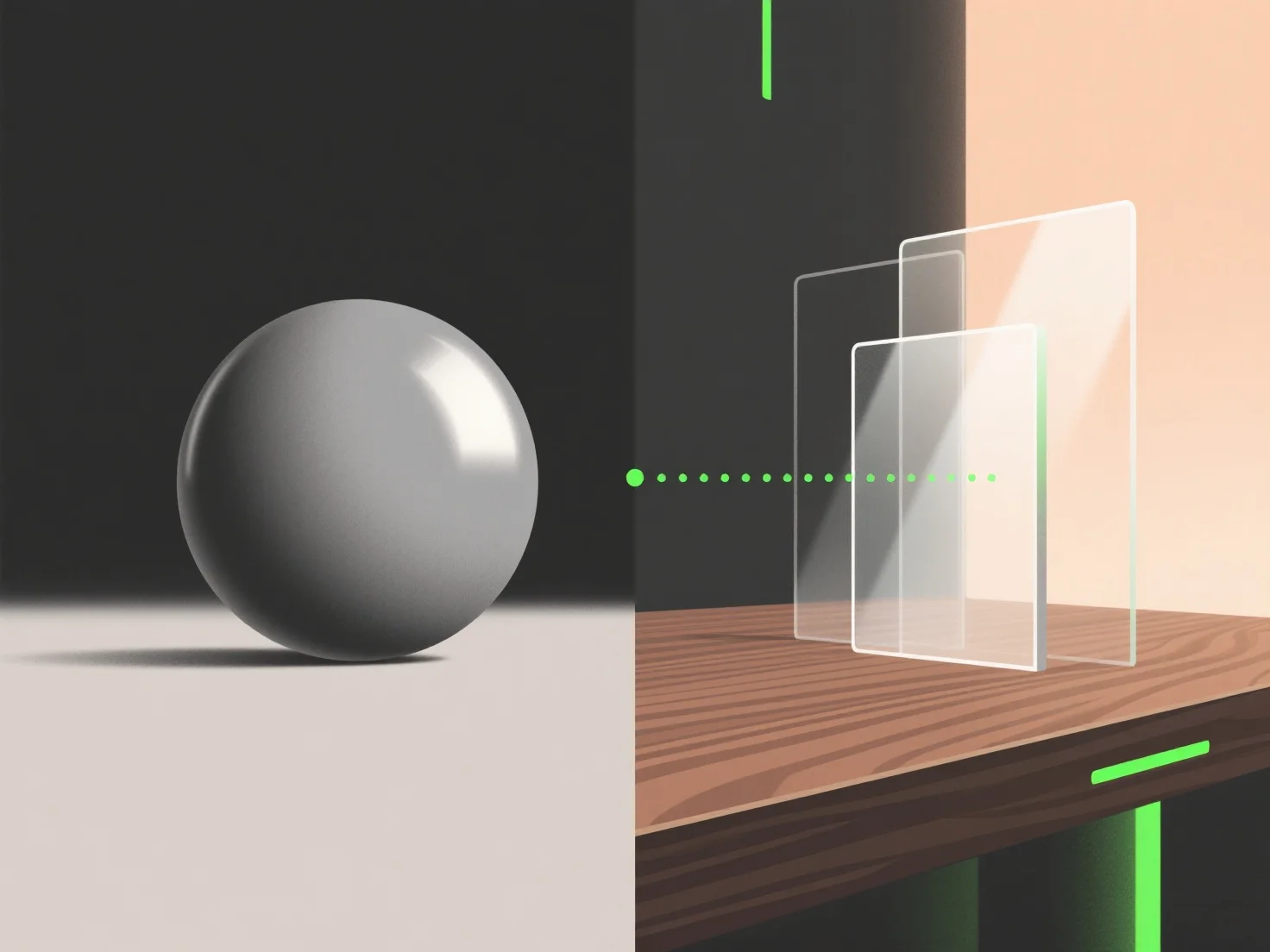
Shaders are essential for 3D material creation, controlling properties, simulating materials, and simplifying design to shape visual appearance.

How does the concept of "shaders" influence material creation in 3D models?

Shaders are foundational to 3D material creation, as they define how surfaces interact with light and determine the final visual appearance, acting as programmable instructions that bridge abstract material properties and rendered results.

Key influences include: - **Core property control**: Shaders manage critical attributes like color, texture, reflectivity, and transparency, directly dictating surface behavior. - **Real-world simulation**: They enable mimicry of materials—e.g., rough concrete scatters light unevenly, while metal reflects sharply, shaping perceived texture. - **Simplified creation**: Adjusting shader parameters (e.g., roughness, specular intensity) lets users achieve desired looks without complex coding, streamlining material design.

In short, shaders translate material attributes into the visual language of 3D scenes, making them essential for crafting realistic or stylized surfaces.

PreviousNext
製品
Webスタジオ
APIプラットフォーム
機能
画像から3Dへ
マルチビューから3Dへ
リリーフ
セグメンテーション
モデル
汎用モデル
ポートレートモデル
リソース
ブログ
よくある質問
APIドキュメント
私たちについて
料金