Home/Hitem3D FAQ/How does a 3D modeler ensure their designs are optimized for real-time rendering?

How does a 3D modeler ensure their designs are optimized for real-time rendering?

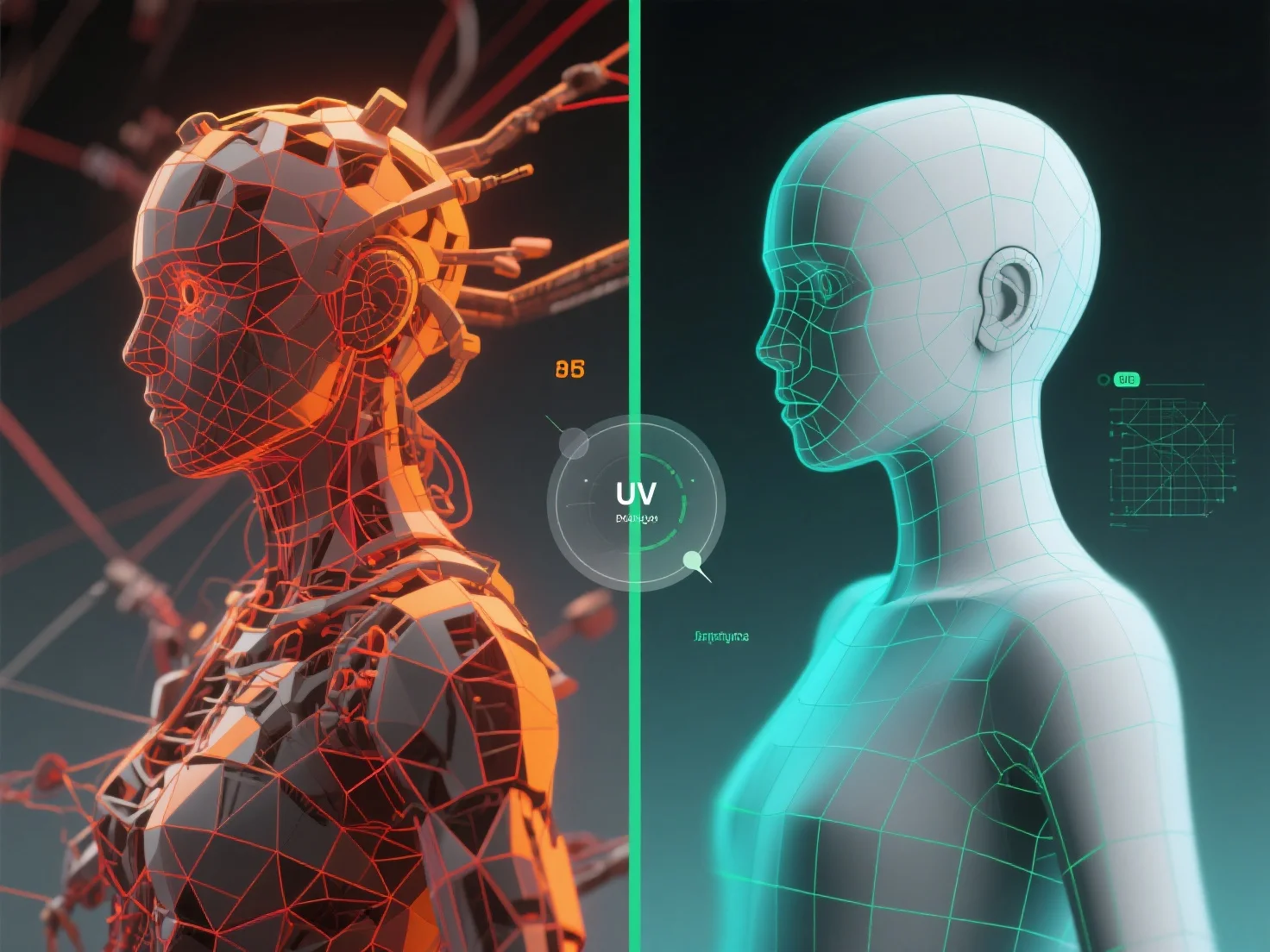
To optimize 3D designs for real-time rendering, modelers use retopology, texture compression, LOD, and target hardware constraints to balance quality and performance.

How does a 3D modeler ensure their designs are optimized for real-time rendering?

To optimize 3D designs for real-time rendering, modelers focus on reducing polygon counts, optimizing texture sizes, and simplifying materials to balance visual quality with rendering performance.

Key techniques include: - **Retopology**: Removing redundant polygons to lower mesh complexity without losing core detail. - **Texture compression**: Using formats like BCn or JPEG to reduce file size and GPU memory usage. - **Level of Detail (LOD)**: Adjusting model detail based on camera distance—simpler versions for distant objects cut rendering load.

Defining target hardware constraints (e.g., mobile vs. PC) upfront also sets benchmarks for polygon limits and texture resolution. These steps minimize GPU workload, ensuring smooth rendering on game engines, AR/VR, or other real-time platforms.

PreviousNext
製品
Webスタジオ
APIプラットフォーム
機能
画像から3Dへ
マルチビューから3Dへ
リリーフ
セグメンテーション
モデル
汎用モデル
ポートレートモデル
リソース
ブログ
よくある質問
APIドキュメント
私たちについて
料金