Home/Hitem3D FAQ/How does 3D modeling help in designing realistic video game landscapes?

How does 3D modeling help in designing realistic video game landscapes?

3D modeling creates immersive, lifelike video game landscapes via detailed terrain, natural elements, and real-world data.

How does 3D modeling help in designing realistic video game landscapes?

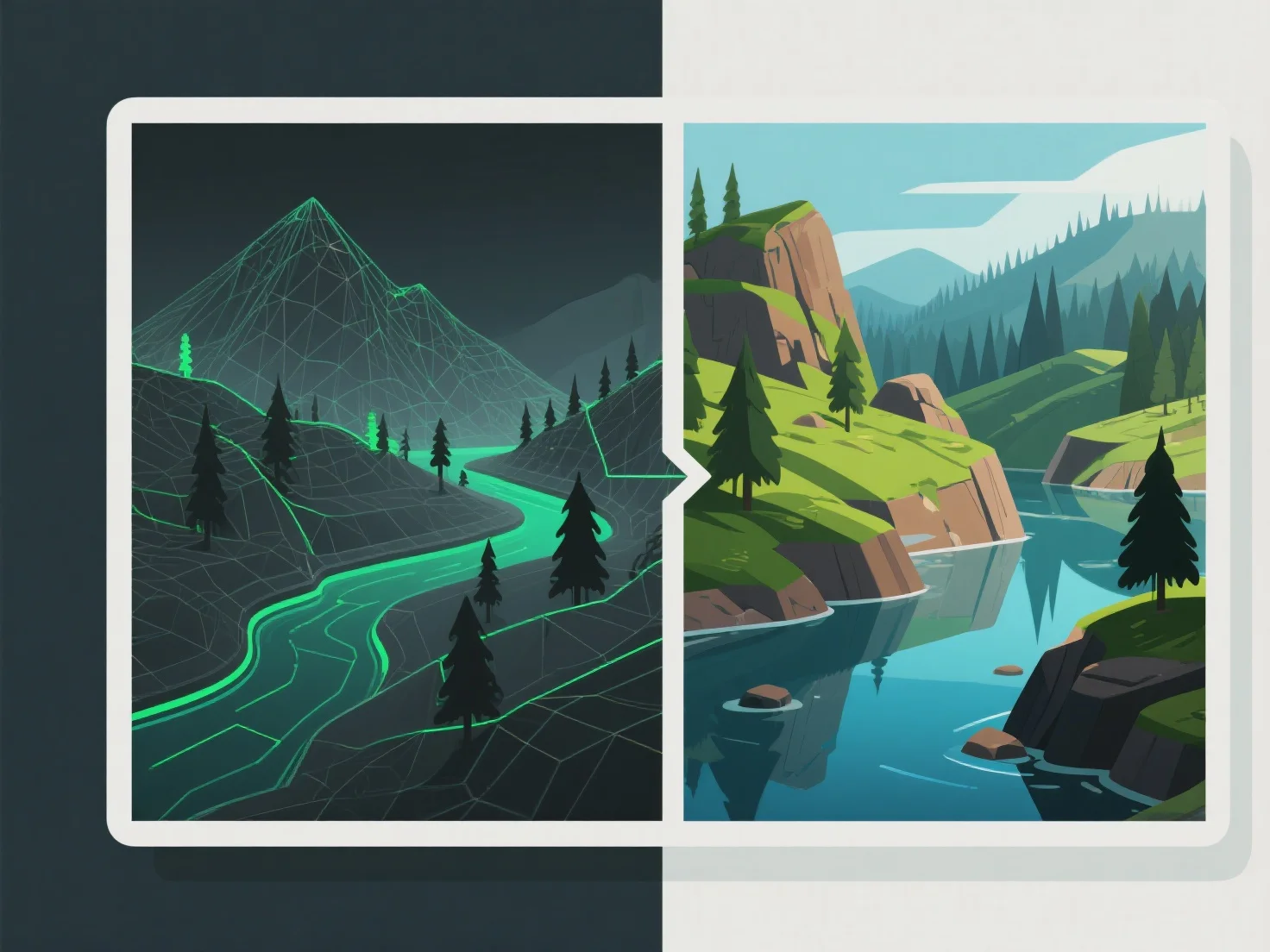
3D modeling helps design realistic video game landscapes by creating detailed three-dimensional terrain and environmental elements that mimic real-world physics and aesthetics, making landscapes immersive and lifelike.

It enables precise control over terrain features: designers adjust height, slope, and texture to replicate natural formations like mountains, valleys, or plateaus with accuracy.

It integrates natural elements: adding vegetation (trees, grass), water bodies (rivers, lakes), and dynamic effects (e.g., flowing water, blowing wind) to enhance realism.

It leverages real-world data: using 3D scans of actual landscapes ensures accurate proportions, textures, and details, critical for hyper-realistic environments.

This combination of control, natural integration, and real-world references results in landscapes that feel authentic and engaging for players.

PreviousNext
製品
Webスタジオ
APIプラットフォーム
機能
画像から3Dへ
マルチビューから3Dへ
リリーフ
セグメンテーション
モデル
汎用モデル
ポートレートモデル
リソース
ブログ
よくある質問
APIドキュメント
私たちについて
料金