Home/Hitem3D FAQ/How do you simulate fabric folds and wrinkles in 3D models?

How do you simulate fabric folds and wrinkles in 3D models?

Simulating 3D fabric folds uses physics engines with forces, material properties, parameters, and tools for realism.

How do you simulate fabric folds and wrinkles in 3D models?

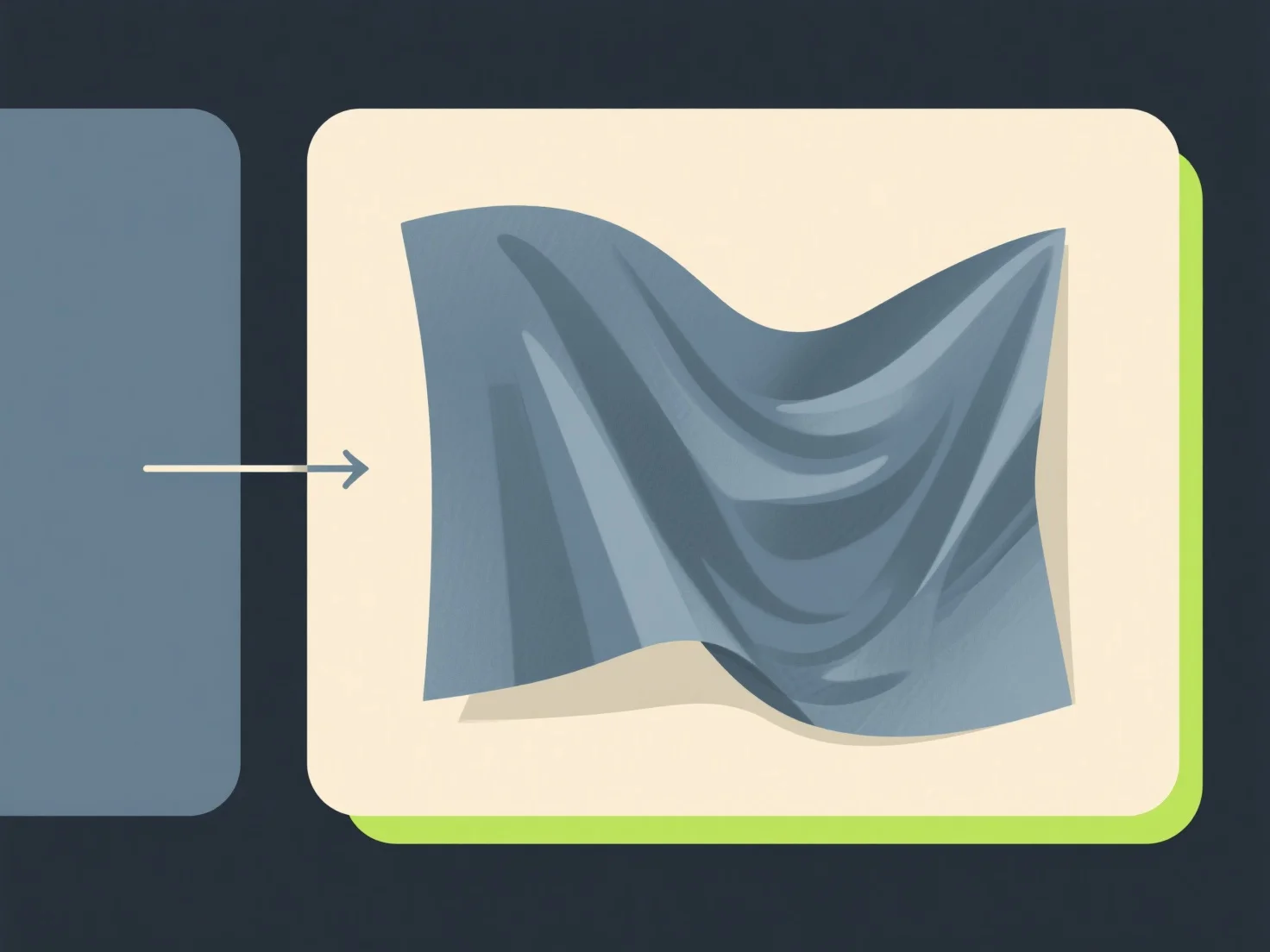
Simulating fabric folds and wrinkles in 3D models primarily uses physics-based cloth simulation engines to mimic real-world fabric behavior, generating natural creases through calculated forces and material properties.

Key steps include: - **Physics engine calculation**: Engines compute forces like gravity, tension, and friction, paired with fabric properties (e.g., stiffness, elasticity), to simulate deformation. - **Parameter setup**: Defining variables such as material thickness and applied pressures controls how the fabric folds over time. - **Beginner tools**: Software with built-in cloth simulation (e.g., Blender’s cloth modifier) simplifies the process for new users.

This method ensures realistic, dynamic fabric behavior in 3D models.

PreviousNext
製品
Webスタジオ
APIプラットフォーム
機能
画像から3Dへ
マルチビューから3Dへ
リリーフ
セグメンテーション
モデル
汎用モデル
ポートレートモデル
リソース
ブログ
よくある質問
APIドキュメント
私たちについて
料金