Home/Hitem3D FAQ/How do you handle complex shapes with proper topology?

How do you handle complex shapes with proper topology?

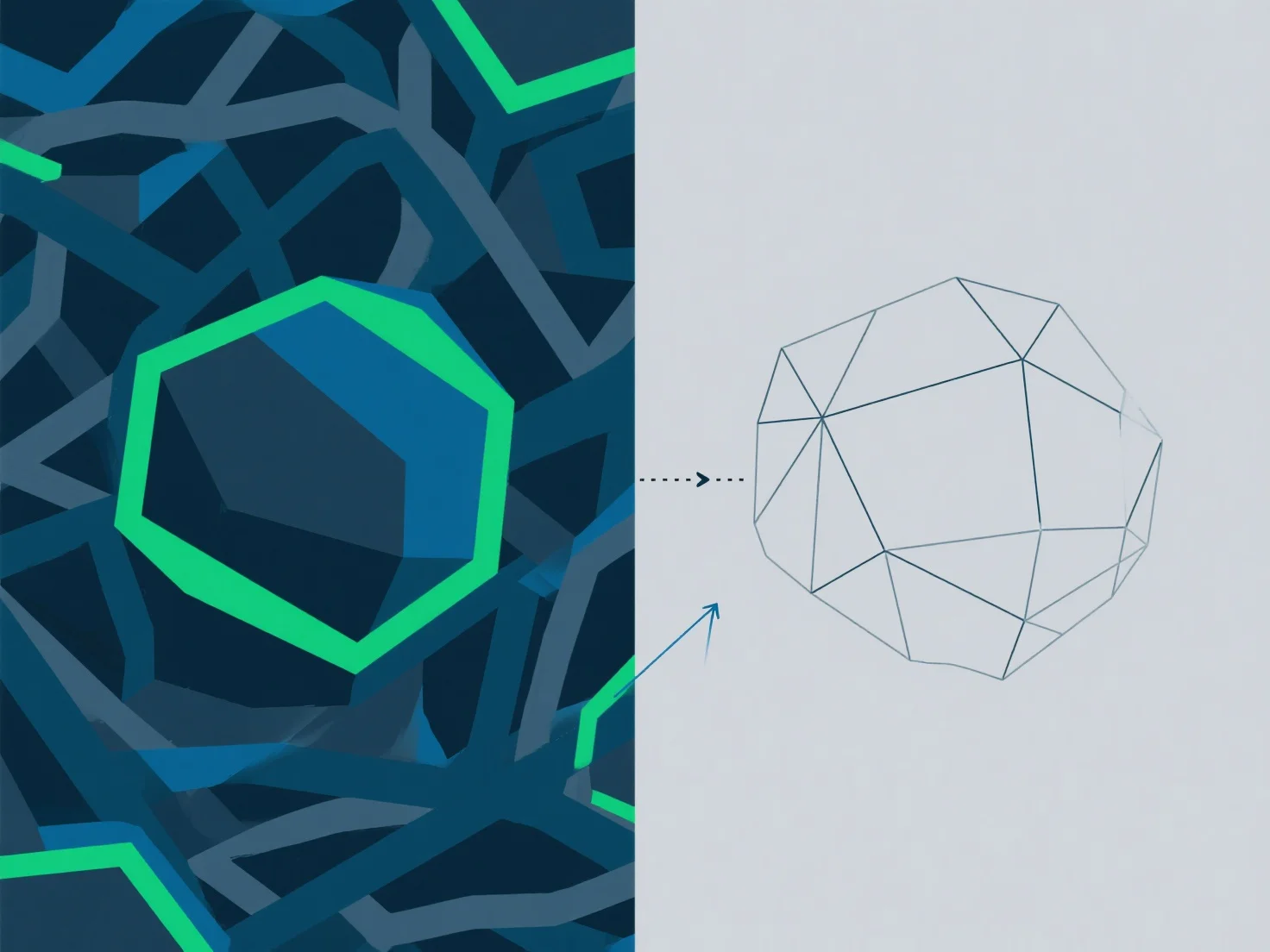
Handling complex shapes with proper topology requires breaking into sub-parts, aligning edge flow, and maintaining clean edge loops for smooth deformation and rendering.

How do you handle complex shapes with proper topology?

Handling complex shapes with proper topology involves breaking the shape into manageable sub-parts, aligning edge flow with natural contours, and maintaining clean, evenly spaced edge loops to support smooth deformation and rendering.

- **Break down the shape**: Split into simpler components (e.g., separate body parts, curved surfaces) to reduce complexity and simplify topology control. - **Align edge flow**: Follow the object’s natural curves (e.g., muscle lines, surface transitions) to ensure edges support intended deformation and avoid distortion. - **Optimize polygons**: Use retopology to minimize triangles/n-gons, keeping edge spacing uniform for consistent rendering and editing flexibility. - **Start low-poly**: Build a base mesh first, gradually add detail, and check for non-manifold issues (e.g., overlapping edges, open faces) to prevent errors.

These steps ensure the topology is structurally sound and optimized for后续 workflows like animation or 3D printing.

PreviousNext
製品
Webスタジオ
APIプラットフォーム
機能
画像から3Dへ
マルチビューから3Dへ
リリーフ
セグメンテーション
モデル
汎用モデル
ポートレートモデル
リソース
ブログ
よくある質問
APIドキュメント
私たちについて
料金