Home/Hitem3D FAQ/How do real-time rendering tools like Unreal Engine differ from V-Ray for 3D architecture?

How do real-time rendering tools like Unreal Engine differ from V-Ray for 3D architecture?

Unreal Engine prioritizes real-time interactivity for dynamic use, while V-Ray focuses on high-quality static photorealistic renders.

How do real-time rendering tools like Unreal Engine differ from V-Ray for 3D architecture?

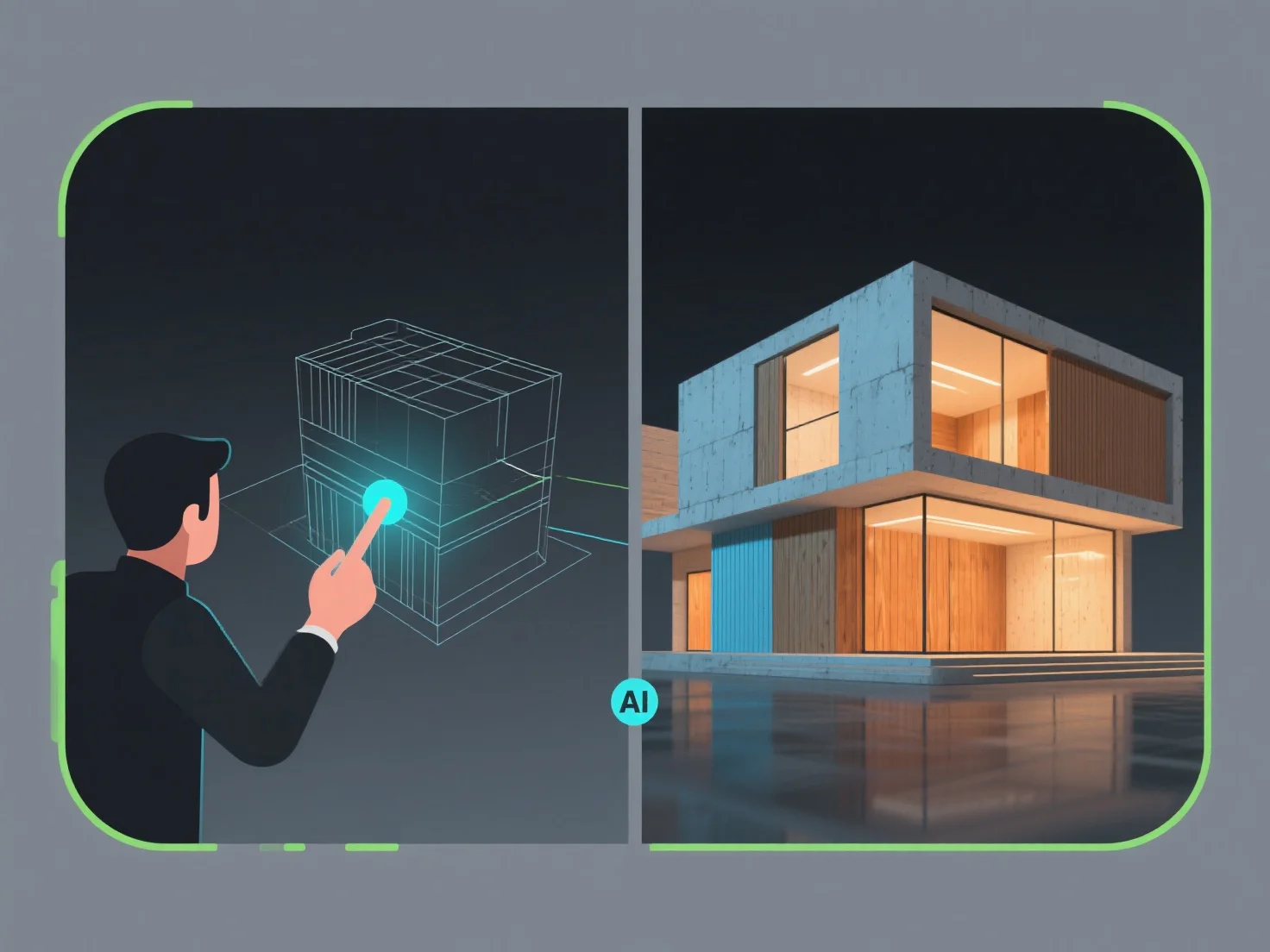
Real-time rendering tools like Unreal Engine and V-Ray differ primarily in rendering speed, interactivity, and visual output focus for 3D architecture. Unreal Engine prioritizes real-time performance, enabling instant previews and dynamic adjustments (e.g., modifying lighting or materials during client presentations), while V-Ray focuses on high-quality, photorealistic static renders with precise ray tracing for final deliverables like marketing images.

Typical use scenarios include: - Unreal Engine: Interactive architectural walkthroughs, real-time design reviews. - V-Ray: High-resolution static visualizations for brochures, project proposals.

For interactive design iterations, Unreal Engine is ideal; for detailed, lifelike static renders, V-Ray is preferred.

PreviousNext
製品
Webスタジオ
APIプラットフォーム
機能
画像から3Dへ
マルチビューから3Dへ
リリーフ
セグメンテーション
モデル
汎用モデル
ポートレートモデル
リソース
ブログ
よくある質問
APIドキュメント
私たちについて
料金