Home/Hitem3D FAQ/How do animation techniques differ between real-time and offline 3D applications?

How do animation techniques differ between real-time and offline 3D applications?

Real-time 3D apps use simplified animations for speed; offline ones use complex methods for quality due to differing performance needs.

How do animation techniques differ between real-time and offline 3D applications?

Real-time 3D applications use simplified animation techniques like pre-baked cycles or low-poly rigs to prioritize speed, while offline 3D applications leverage complex methods such as high-detail keyframing or physics simulations since they aren’t constrained by real-time rendering demands.

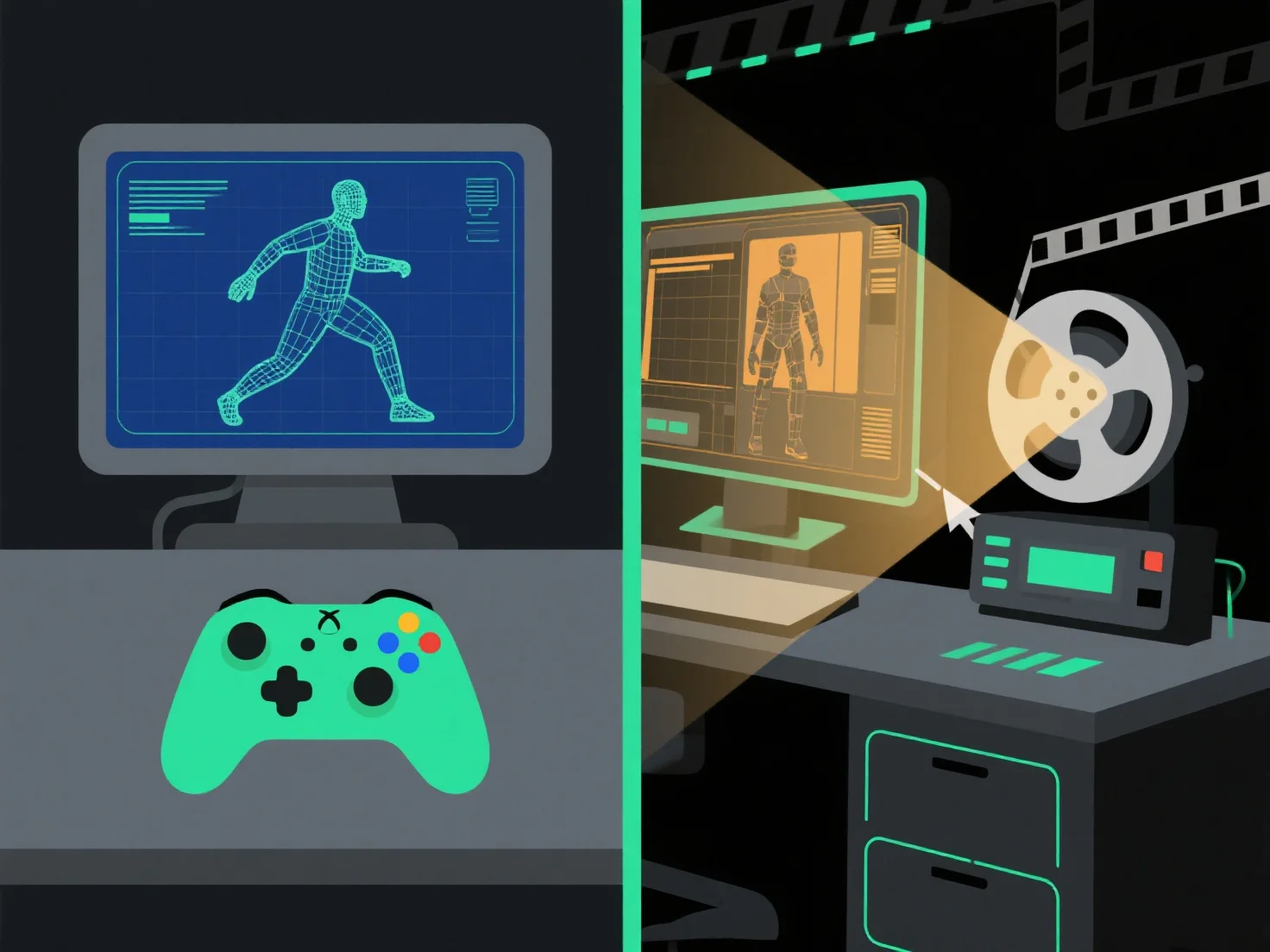
Key differences stem from performance needs: - Real-time apps (e.g., games, AR/VR) require instant rendering, so animations are optimized for quick processing—often using precomputed motions or simplified bone structures to avoid lag. - Offline apps (e.g., movies, architectural renderings) focus on visual quality, allowing high-resolution rigs, frame-by-frame adjustments, or physics simulations that would be too slow for real time.

PreviousNext
製品
Webスタジオ
APIプラットフォーム
機能
画像から3Dへ
マルチビューから3Dへ
リリーフ
セグメンテーション
モデル
汎用モデル
ポートレートモデル
リソース
ブログ
よくある質問
APIドキュメント
私たちについて
料金