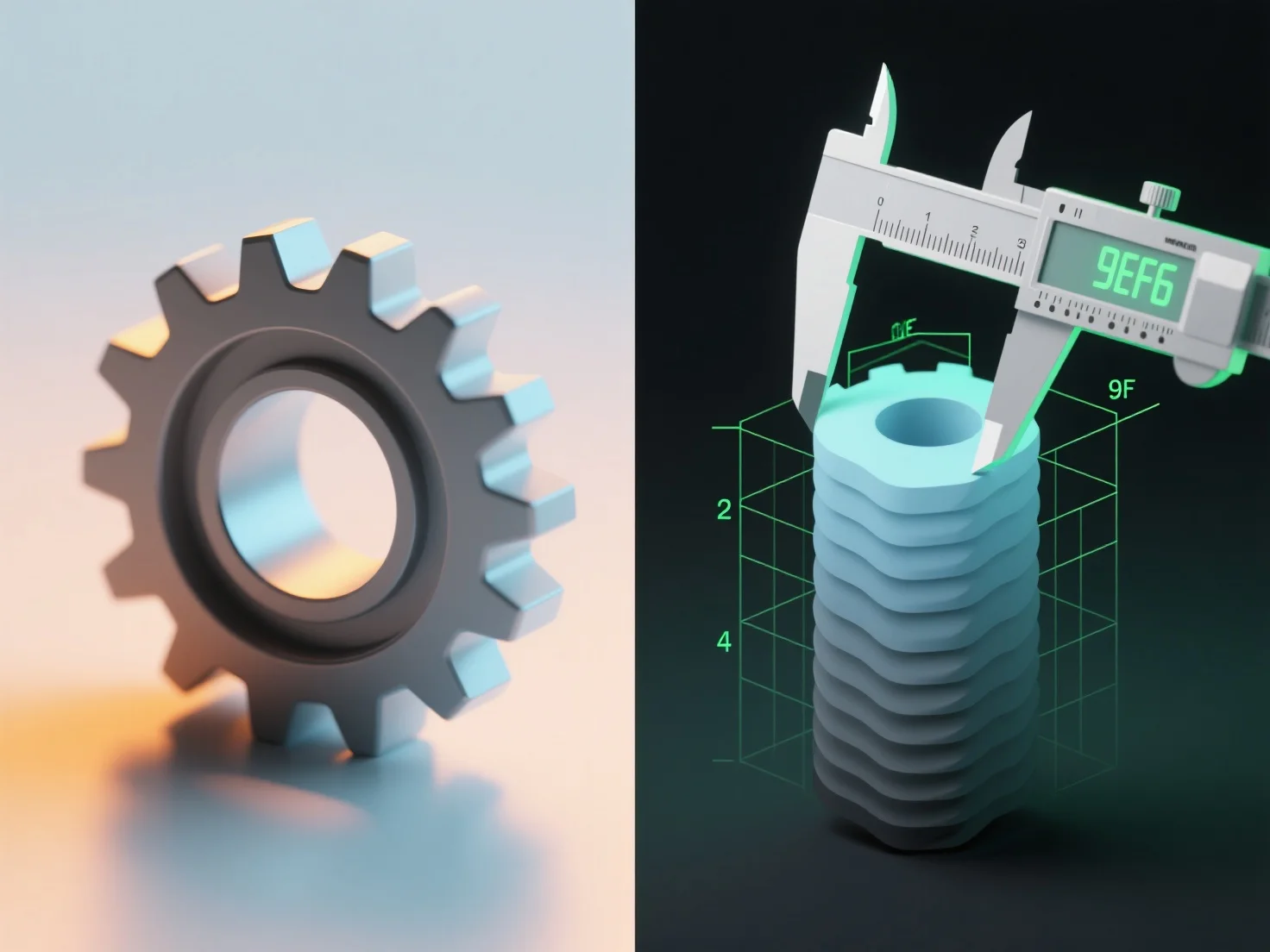
3D printing standards directly shape quality expectations by establishing clear benchmarks for performance, consistency, and reliability, ensuring users know what quality to anticipate from 3D printed parts.
They define uniform criteria for key quality metrics: - Dimensional accuracy: Setting tolerances for size and shape to avoid deviations. - Material properties: Specifying strength, durability, and chemical resistance of printed materials. - Surface finish: Outlining acceptable levels of smoothness or texture.
By standardizing these aspects, 3D printing standards align manufacturer outputs with user needs, making quality expectations more predictable and consistent.
