Home/Hitem3D FAQ/How do 3D modeling tools adapt to the needs of various industries, such as film, gaming, or architecture?

How do 3D modeling tools adapt to the needs of various industries, such as film, gaming, or architecture?

3D modeling tools integrate specialized features for film, gaming, and architecture to meet unique workflows and demands.

How do 3D modeling tools adapt to the needs of various industries, such as film, gaming, or architecture?

3D modeling tools adapt to various industries by integrating specialized features tailored to each sector’s unique workflows, output demands, and core priorities, such as film, gaming, and architecture.

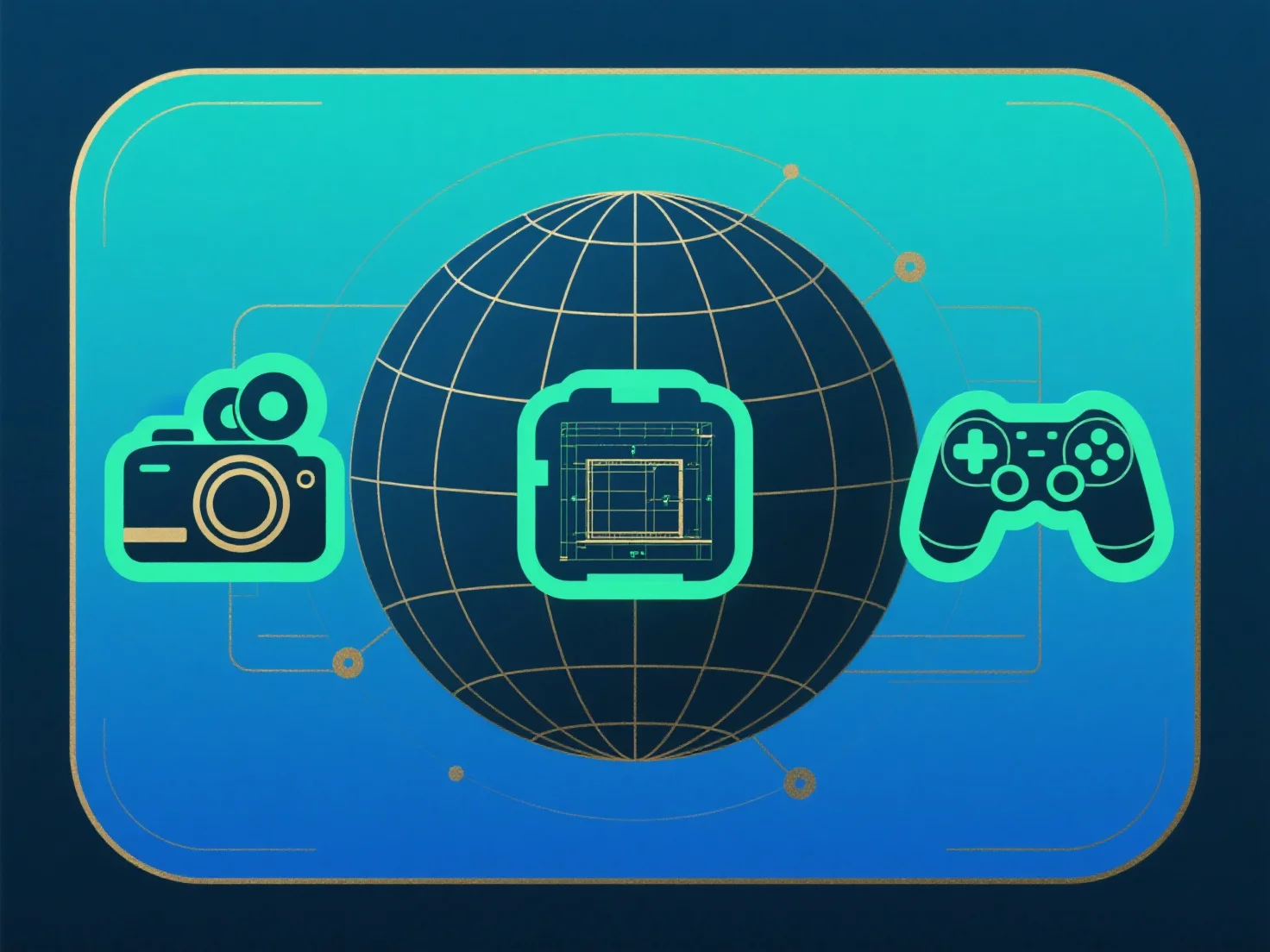
Key industry-specific adaptations include: - Film: Prioritize high-resolution texturing, dynamic lighting, and advanced animation tools to create realistic characters, environments, and visual effects for movies and commercials. - Gaming: Focus on optimized polygon counts, real-time rendering engines, and rigging systems to ensure assets perform smoothly in interactive gameplay. - Architecture: Integrate parametric design, BIM (Building Information Modeling) compatibility, and precise scaling tools to support structural planning, visualization, and construction documentation.

Choosing tools with industry-specific templates or plugins streamlines workflows and aligns with sector-specific needs.

PreviousNext
製品
Webスタジオ
APIプラットフォーム
機能
画像から3Dへ
マルチビューから3Dへ
リリーフ
セグメンテーション
モデル
汎用モデル
ポートレートモデル
リソース
ブログ
よくある質問
APIドキュメント
私たちについて
料金