Home/Hitem3D FAQ/How do 3D modelers create realistic textures for their designs?

How do 3D modelers create realistic textures for their designs?

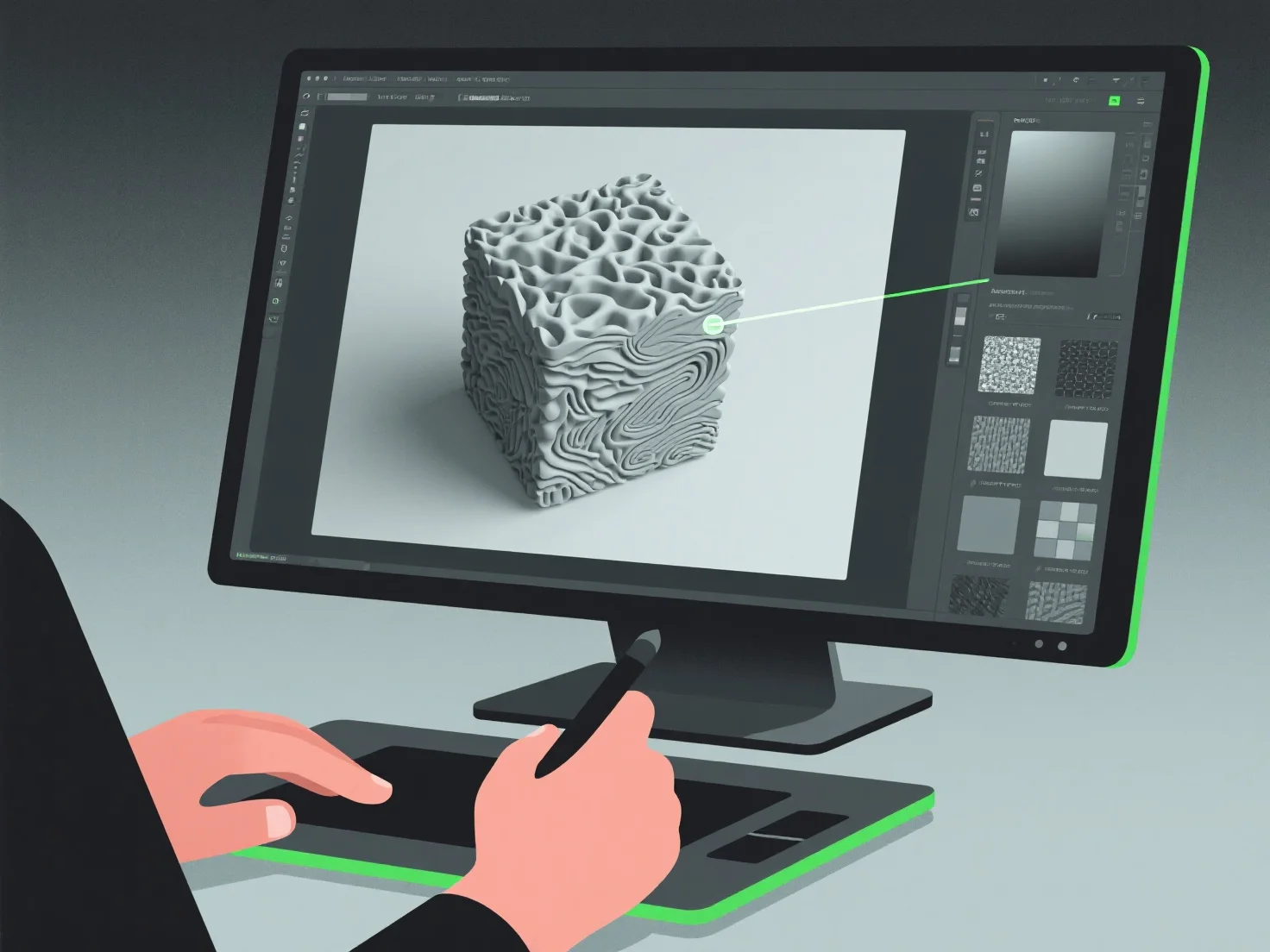
3D modelers create realistic textures using digital painting, PBR, UV mapping, and references, with beginners starting via libraries.

How do 3D modelers create realistic textures for their designs?

3D modelers create realistic textures by integrating digital painting, texture mapping, and material simulation, focusing on replicating surface details like color, roughness, and reflectivity to mimic real-world materials.

They often use Physically Based Rendering (PBR) workflows, which simulate light-material interactions to boost realism. Reference real-world photos or scans to capture specific textures, such as wood grain, metal scratches, or fabric weaves. Apply these via UV mapping, a process that "wraps" 2D texture images onto 3D surfaces for precise detail alignment.

For efficiency, beginners can start with texture libraries, then refine by adjusting parameters like albedo (base color) or normal maps (surface depth) to build foundational skills in realistic texture creation.

PreviousNext
製品
Webスタジオ
APIプラットフォーム
機能
画像から3Dへ
マルチビューから3Dへ
リリーフ
セグメンテーション
モデル
汎用モデル
ポートレートモデル
リソース
ブログ
よくある質問
APIドキュメント
私たちについて
料金