


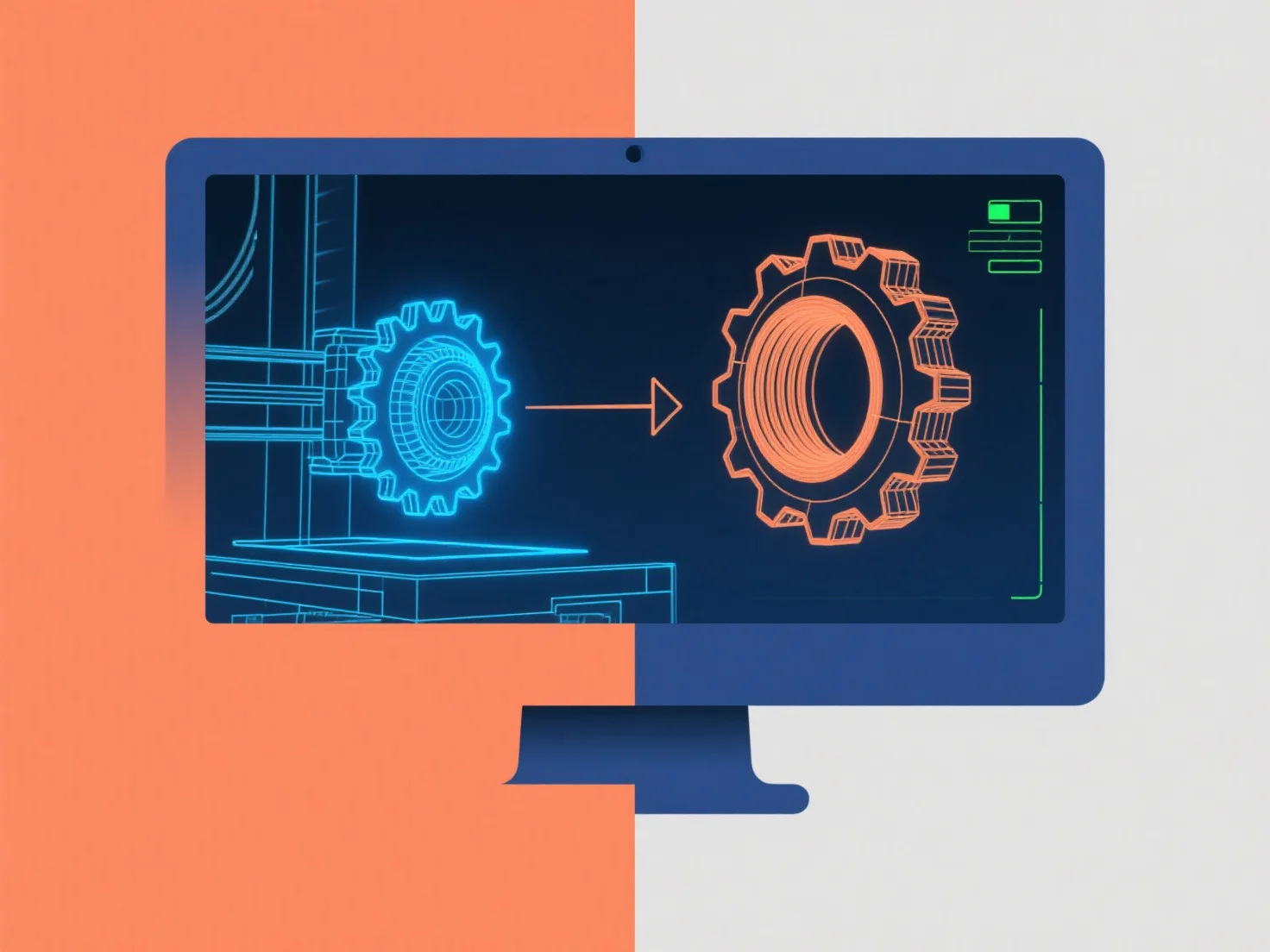
Pemodelan 3D adalah proses hulu yang menyediakan cetak biru digital untuk pencetakan 3D, membentuk alur kerja inti "dari digital ke fisik". Ini menciptakan model digital 3D yang terperinci.
- **Fondasi Digital**: Pemodelan 3D merupakan titik awal. Tanpa model digital yang tepat, pencetakan 3D tidak dapat dilanjutkan. Desainer menggunakan perangkat lunak (misalnya, Blender, Tinkercad) untuk membentuk, menyesuaikan, dan menyelesaikan struktur, dimensi, dan detail model. - **Eksekusi Pencetakan**: Printer 3D membaca file model, memotongnya menjadi lapisan-lapisan, dan mengaplikasikan bahan (plastik, logam, dll.) sesuai spesifikasi model, mengubah data digital menjadi objek nyata. - **Hubungan Simbiosis**: Keduanya saling tergantung: 3D modeling menentukan "apa yang akan dicetak," sedangkan 3D printing mewujudkan "bagaimana mencetaknya." Model berkualitas tinggi secara langsung memengaruhi akurasi dan kualitas hasil cetak.