


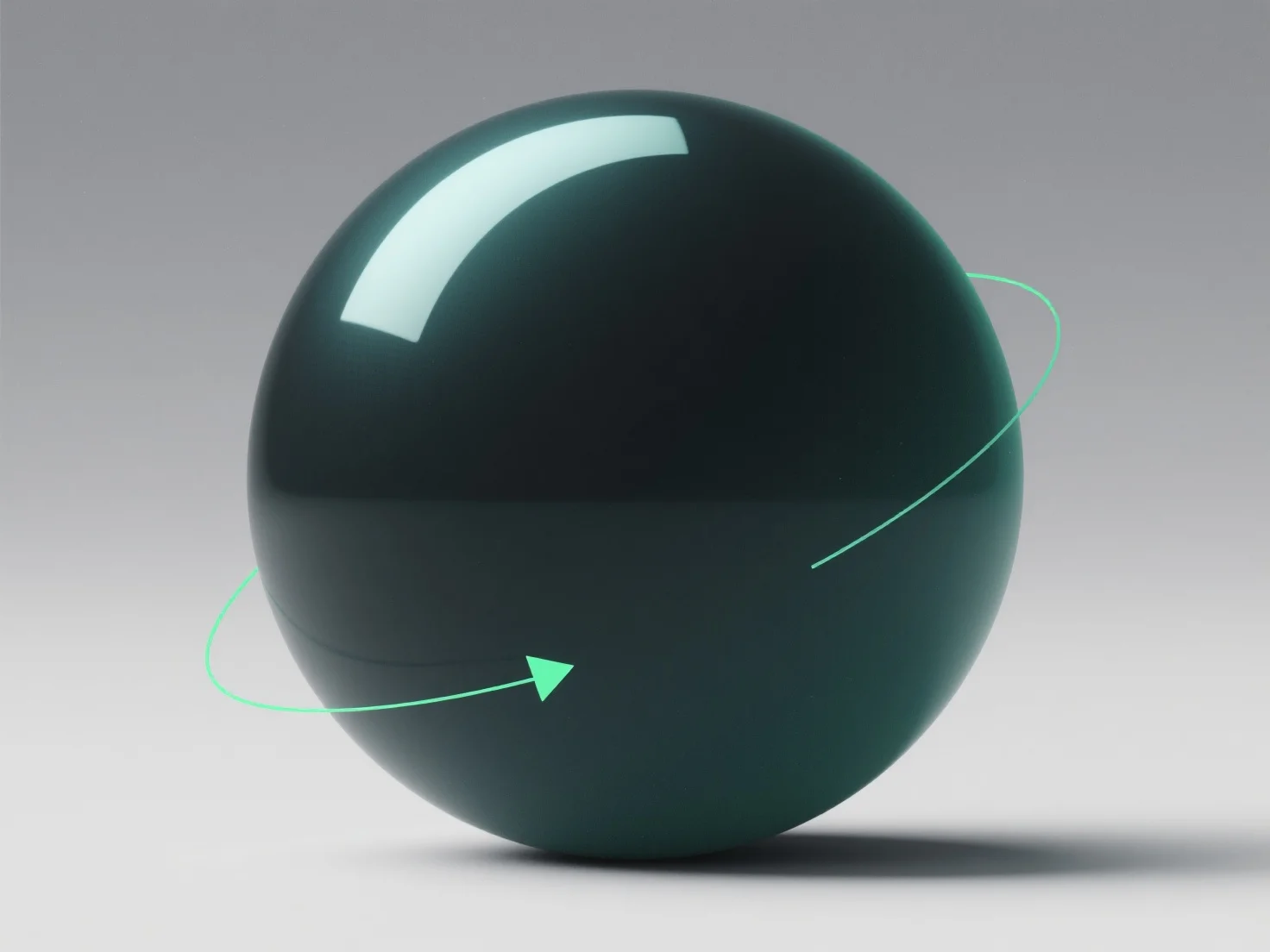
Dalam model 3D, warna difus dan refleksi spekular adalah sifat interaksi cahaya yang berbeda: difus menyebarkan cahaya secara merata untuk warna dasar, sedangkan spekular memantulkan cahaya secara terarah untuk highlight mengkilap.
- **Warna Difus**: Menentukan warna dasar suatu objek dengan menyebarkan cahaya secara merata ke segala arah. Terlihat dari sebagian besar sudut, ini menciptakan tampilan keseluruhan yang tidak mengkilap.
- **Refleksi Spekular**: Meniru kilau dengan memantulkan cahaya dalam sinar yang sempit dan terfokus. Menghasilkan sorotan terang.
Bersama-sama, mereka menentukan tampilan permukaan: difus untuk warna dasar, spekular untuk kilau.