


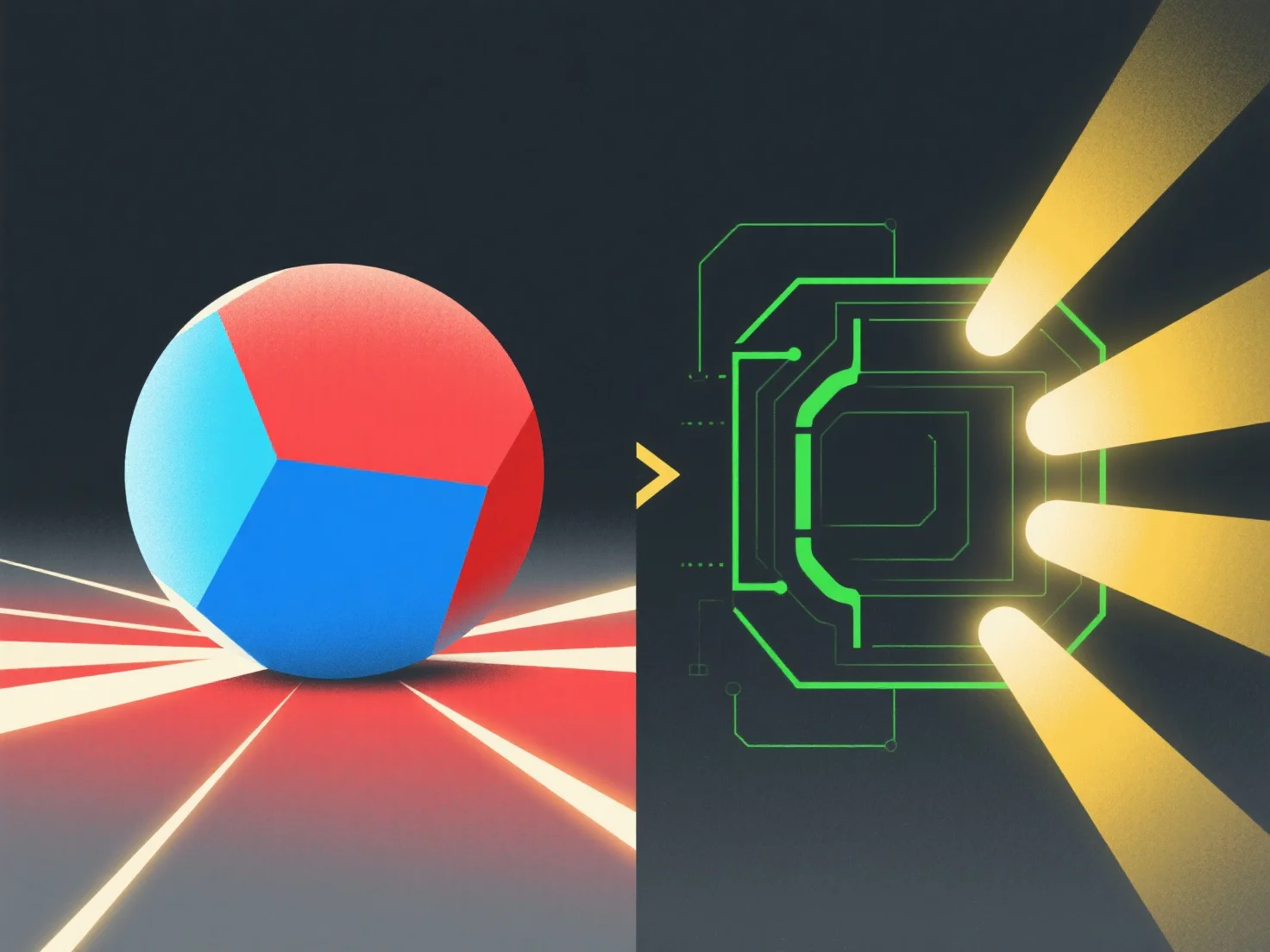
Render waktu nyata menyederhanakan perhitungan sumber cahaya untuk memprioritaskan kecepatan, sedangkan render offline menggunakan simulasi yang kompleks dan akurat secara fisik untuk kualitas yang lebih tinggi.
Render waktu nyata sering menggunakan teknik aproksimasi seperti peta bayangan atau ambient occlusion untuk mengurangi beban komputasi, memungkinkan umpan balik visual instan dalam aplikasi seperti video game. Sebaliknya, renderer offline menggunakan metode seperti path tracing atau global illumination untuk mensimulasikan pantulan dan interaksi cahaya secara akurat, menghasilkan pencahayaan yang lebih realistis tetapi membutuhkan waktu rendering yang lebih lama, yang umum dalam CGI film atau visualisasi arsitektur.
Untuk pratinjau cepat atau pengalaman interaktif, rendering real-time sangat ideal; untuk efek pencahayaan detail dengan kualitas tinggi, rendering offline lebih cocok.