


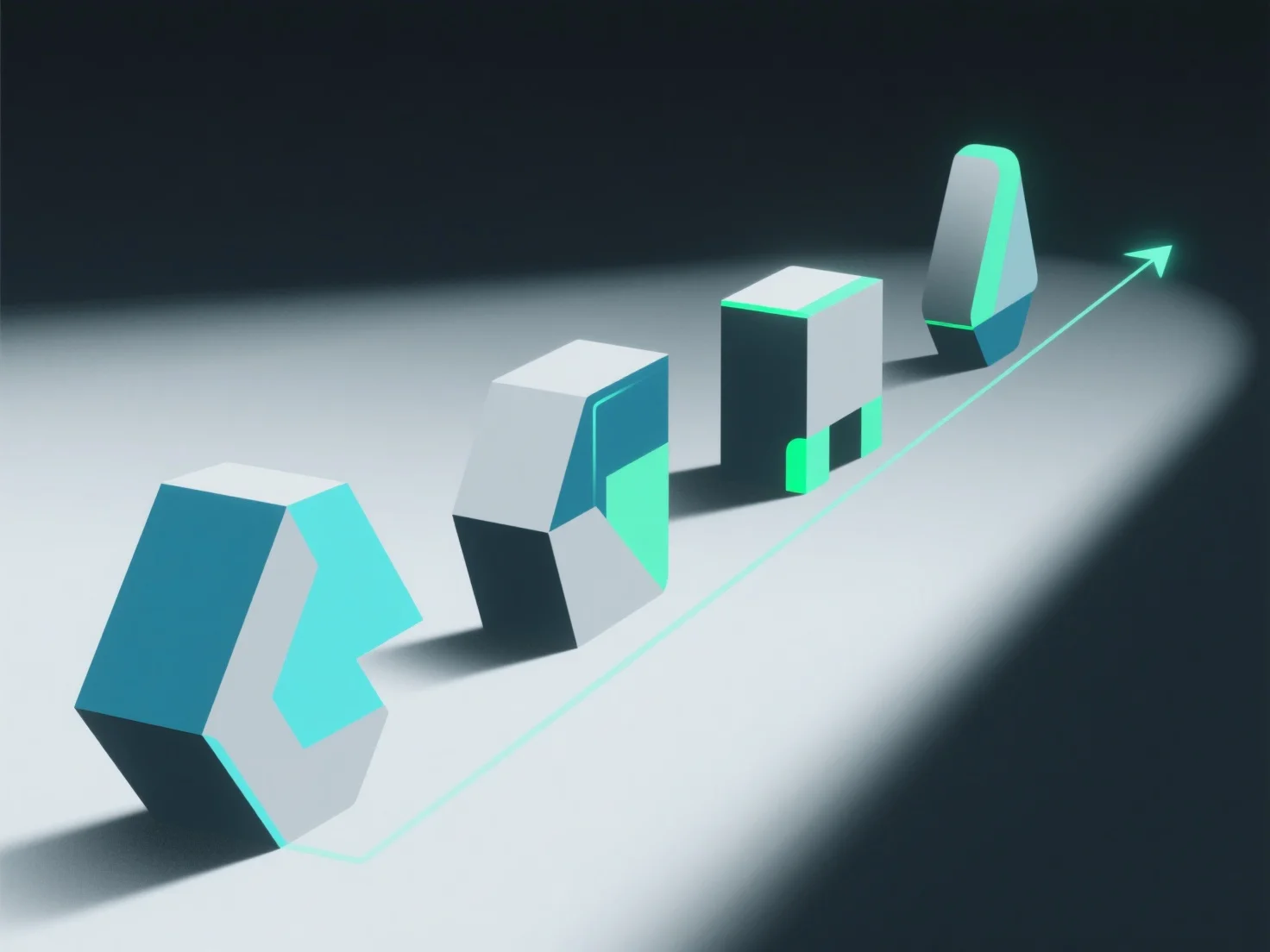
La création de plusieurs itérations d'un design 3D est essentielle pour affiner la qualité et s'assurer que le produit final répond aux objectifs fonctionnels et esthétiques. Cela permet de procéder à des tests systématiques, de résoudre les problèmes et d'optimiser le produit avant sa finalisation.
Tout d'abord, les itérations permettent de tester diverses variations de conception, telles que les choix de matériaux, les proportions ou les éléments structurels, afin d'identifier la solution la plus efficace.
Deuxièmement, ils aident à découvrir et à corriger les défauts cachés, tels que les faiblesses structurelles ou les lacunes d'utilisabilité, qui peuvent être passées inaperçues dans un seul brouillon.
Troisièmement, l'intégration des commentaires des parties prenantes ou des utilisateurs après chaque itération assure l'alignement avec les besoins du monde réel.
En fin de compte, ce processus aboutit à une conception 3D polie, fonctionnelle et centrée sur l'utilisateur, réduisant les risques de révision post-production.