


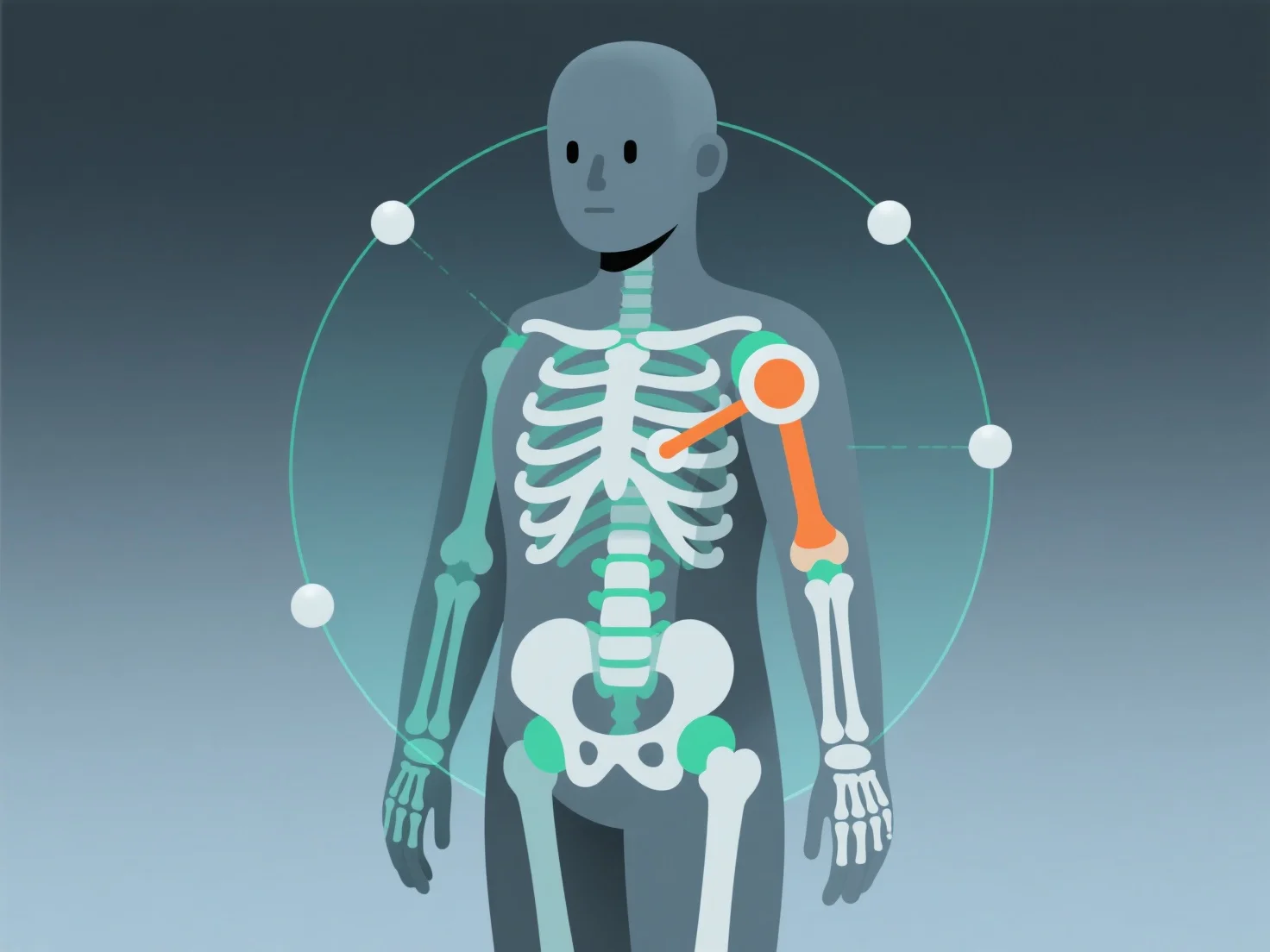
Le but du rigging dans l'animation 3D est de créer un cadre contrôlable qui permet aux modèles 3D de se déplacer de manière réaliste et flexible. Il sert de pont entre les modèles statiques et l'animation dynamique, permettant aux animateurs de manipuler les mouvements avec précision.
Les aspects clés incluent : - ** Configuration du squelette ** : Ajout d'un "squelette numérique" avec des os et des articulations qui imitent les structures anatomiques, définissant les amplitudes de mouvement (par exemple, flexion du coude, rotation de la colonne vertébrale). - ** Systèmes de contrôle ** : Intégration de contrôles intuitifs (curseurs, poignées) pour simplifier les actions complexes, telles que l'ajustement des expressions faciales ou des positions des membres sans éditer le modèle lui-même. - ** Amélioration du réalisme ** : S'assurer que les mouvements semblent naturels.
Globalement, le rigging est fondamental pour donner vie aux modèles 3D, ce qui le rend essentiel pour créer des animations réalistes.