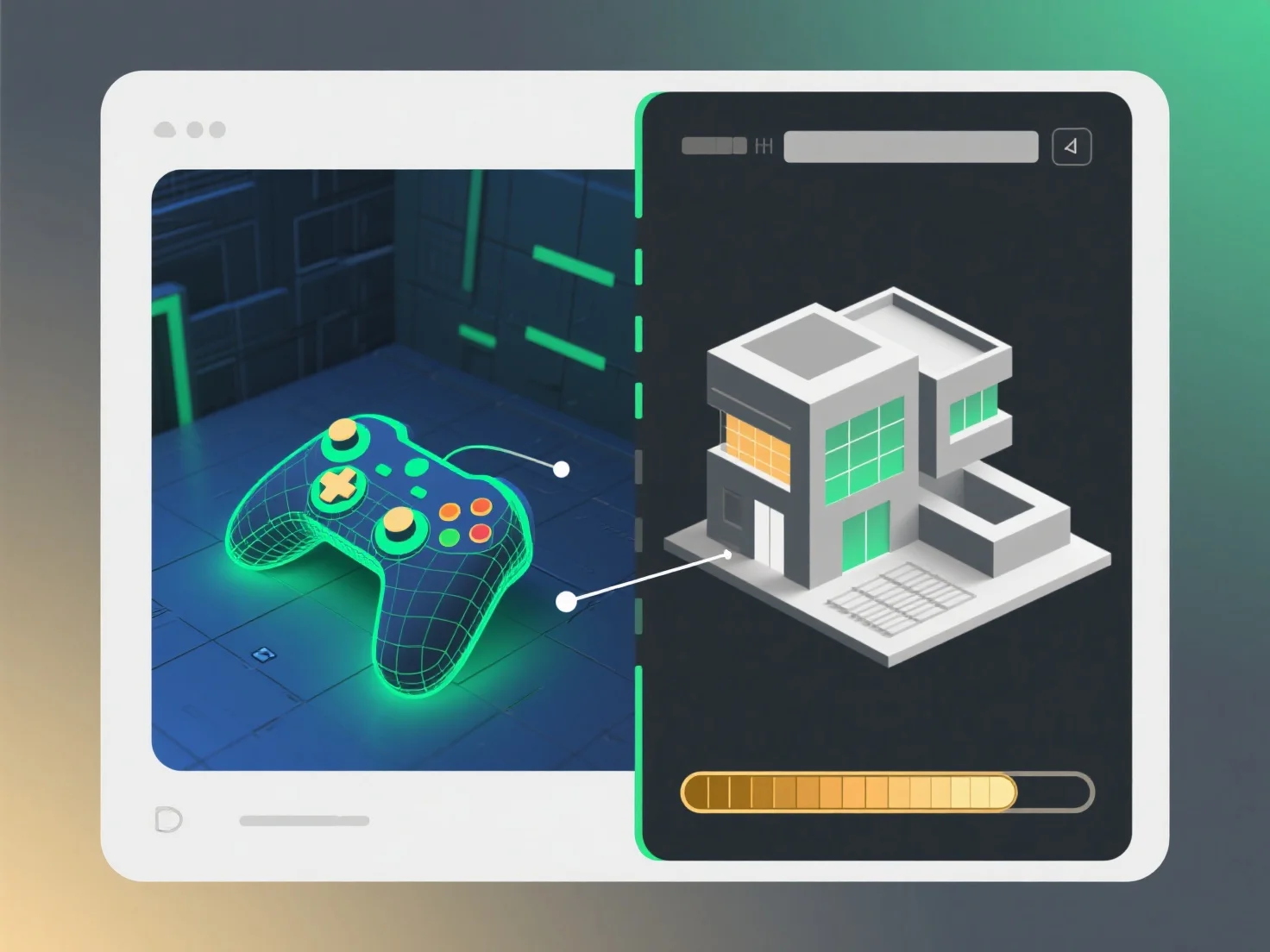
La principale différence entre le rendu en temps réel et le rendu hors ligne réside dans leur priorisation de la vitesse par rapport à la qualité visuelle. Le rendu en temps réel se concentre sur la génération d'images instantanément pour l'interactivité, tandis que le rendu hors ligne met l'accent sur des visuels très détaillés, mais nécessite un traitement plus long. Cas d'utilisation typiques : - En temps réel : Jeux vidéo, RA/VR, simulations en direct. où l'interaction immédiate avec l'utilisateur est critique. - Hors ligne : Animation de films, rendus architecturaux, visualisations de produits. où le temps n'est pas aussi urgent que la fidélité de l'image. Choisissez le temps réel pour des prévisualisations rapides et interactives.


Quelle est la différence entre les techniques de rendu en temps réel et hors ligne ?
Le rendu en temps réel privilégie la vitesse pour l'interactivité.