


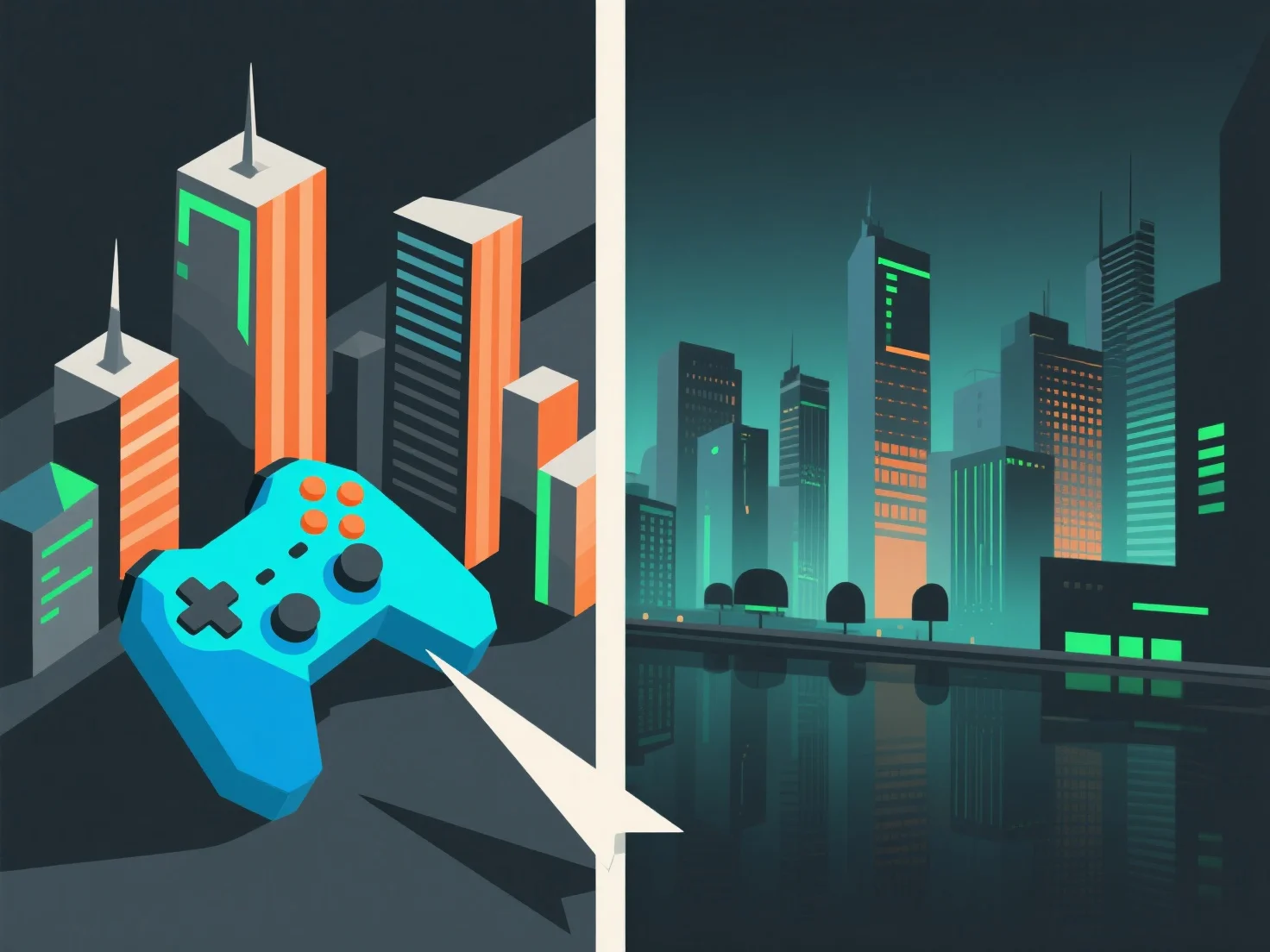
La principale différence entre les techniques de rendu en temps réel et hors ligne est que le rendu en temps réel privilégie la vitesse pour une rétroaction visuelle instantanée, tandis que le rendu hors ligne se concentre sur une sortie de haute qualité et détaillée avec des temps de traitement plus longs.
Le rendu en temps réel est généralement utilisé dans des scénarios interactifs tels que les jeux vidéo ou la réalité virtuelle, nécessitant une génération d'images immédiate pour soutenir l'interaction de l'utilisateur, car les retards perturberaient l'expérience.
Le rendu hors ligne, courant dans les films ou les animations, permet d'obtenir un éclairage, des textures et des effets complexes en prenant plus de temps pour le calcul, souvent des heures ou des jours par image, afin d'atteindre une qualité cinématographique.
En résumé, le temps réel est idéal pour les applications 3D interactives nécessitant une réponse instantanée, tandis que le mode hors ligne convient pour le contenu pré-rendu haute fidélité, où la qualité prime sur la vitesse.