


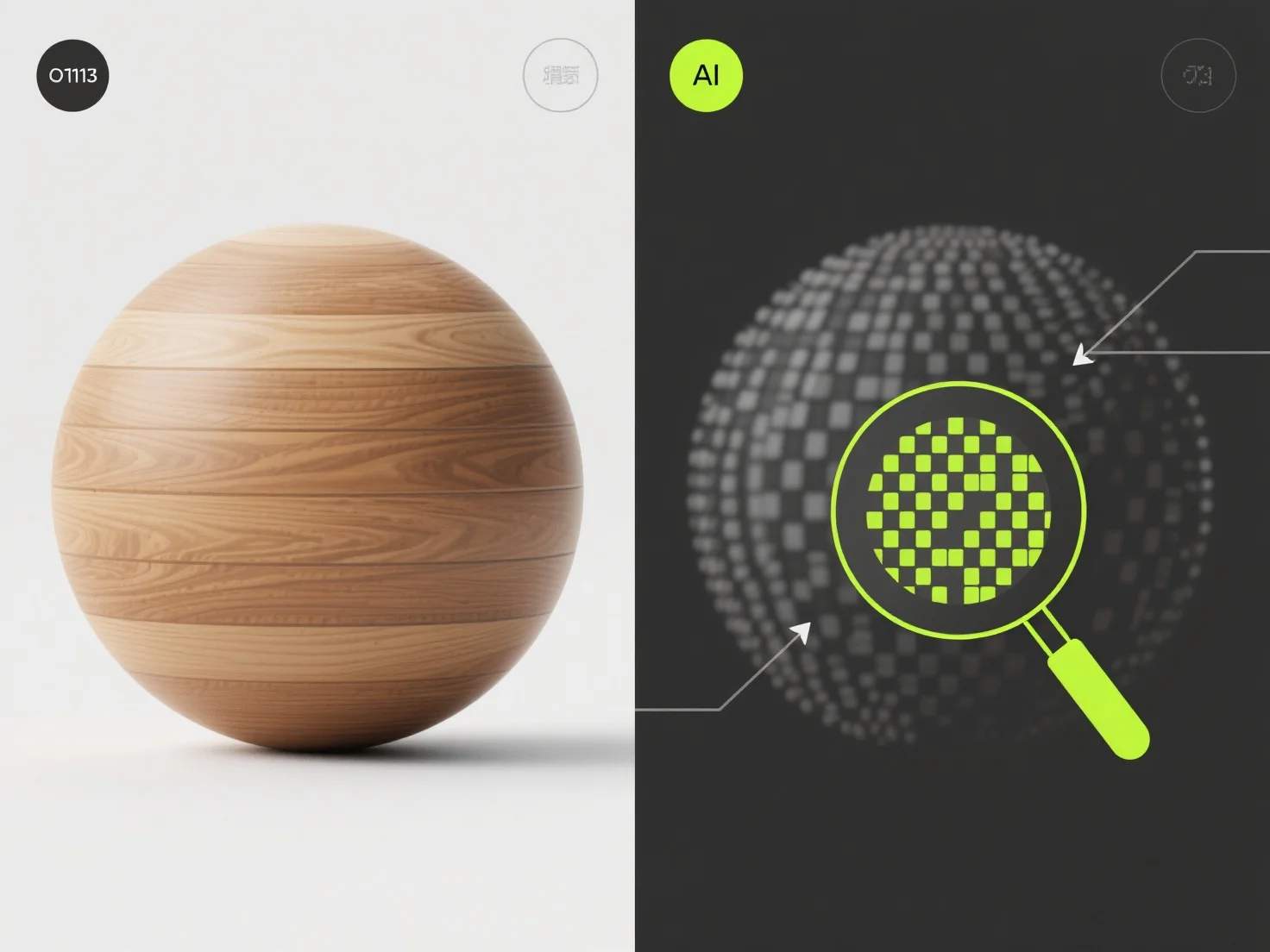
Les normes pour les textures dans les modèles 3D se concentrent sur la résolution, la cohérence des couleurs, la compatibilité avec les pipelines de rendu et l'optimisation pour les plates-formes cibles, en veillant à ce qu'elles équilibrent la qualité visuelle et la faisabilité technique.
- **Résolution** : Suit les dimensions de puissance de deux (par exemple, 512x512, 2048x2048) pour éviter les erreurs de rendu ; la densité des pixels correspond aux besoins de détail du modèle (par exemple, une résolution plus élevée pour les éléments en gros plan). - **Cohérence des couleurs** : Utilise des espaces colorimétriques standardisés (sRGB/linéaire) et une correction gamma pour maintenir des tons uniformes sur tous les appareils et logiciels. - **Compatibilité** : S'aligne sur les workflows (par exemple, PBR pour des matériaux réalistes) et les spécifications du moteur (par exemple, limites de cartographie UV, contraintes de slots de texture). - **Optimisation** : Emploie la compression (JPEG, BCn) pour réduire la taille des fichiers, assurant des performances fluides sur le matériel cible (mobile, PC ou console).
Ces normes garantissent que les textures répondent aux objectifs du projet, que ce soit pour des jeux, de la visualisation ou de l'animation, en combinant qualité et efficacité technique.