


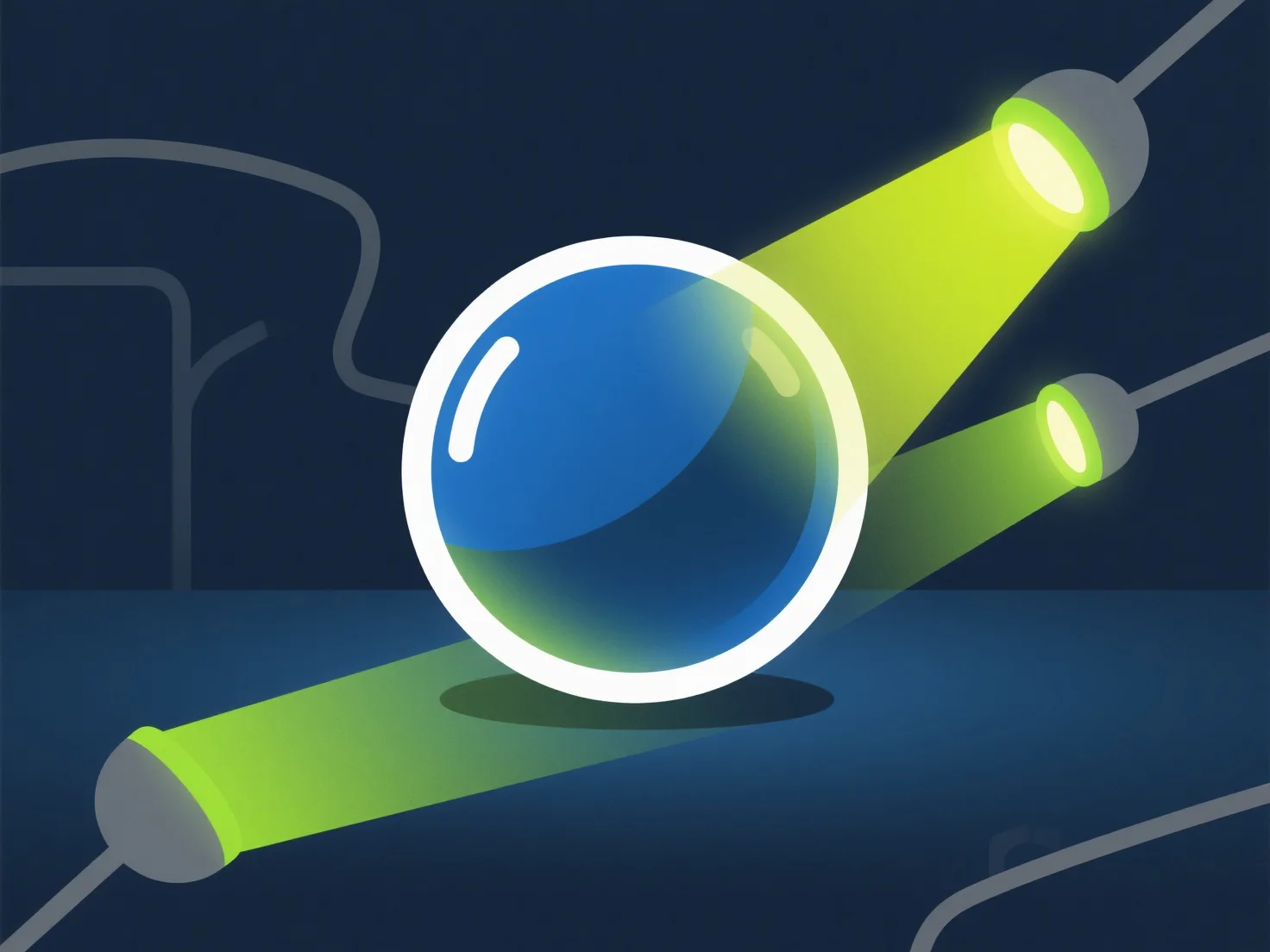
Les principes de base de l'éclairage 3D dans le rendu se concentrent sur la simulation du comportement de la lumière dans le monde réel afin d'améliorer le réalisme des objets, en impliquant des éléments clés : le type de source de lumière, l'intensité, la couleur, la direction et la formation d'ombres.
- **Type de source de lumière** : Différentes sources (par exemple, lumières ponctuelles, directionnelles, d'aire) façonnent l'éclairage. Les lumières ponctuelles émettent à partir d'un seul point, les lumières directionnelles imitent la lumière du soleil, et les lumières d'aire adoucissent les bords pour une apparence naturelle. - **Intensité et couleur** : La luminosité contrôle la visibilité, tandis que la couleur (chaude/froide) définit l'ambiance ; leur ajustement crée un contraste entre les zones éclairées et ombragées, mettant en évidence les détails. - **Direction et ombres** : La direction de la lumière définit la profondeur.
Pratiquer ces éléments dans des outils 3D aide à obtenir des rendus réalistes et professionnels.