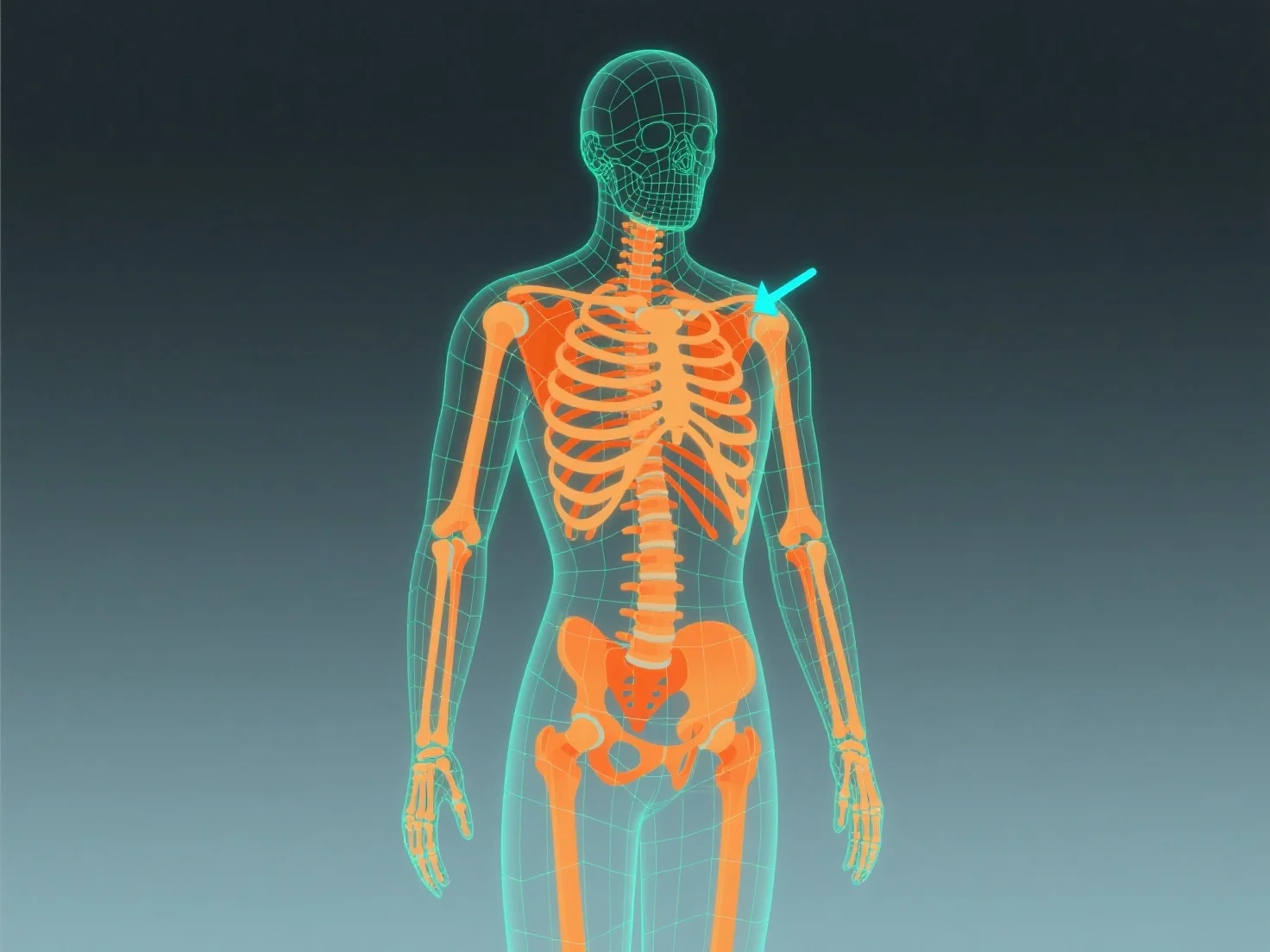
Rigging bones are digital skeletal frameworks in 3D modeling that enable controlled, realistic movement of model parts by defining articulation points.
They act as "armatures," linking segments (e.g., limbs, torso) to simulate joint motion, allowing animators to manipulate poses. Key roles include: - Core Function: Connect model parts to mimic natural movement, forming the foundation for animation. - Applications: - Animation: Control character actions (walking, facial expressions) via bone rotations. - Games: Enable interactive movements (jumping, gesturing) for player engagement. - VFX: Ensure natural motion matching real-world physics in films/TV.
For beginners, simple tutorials (e.g., rigging a basic arm) help grasp how bones drive movement.