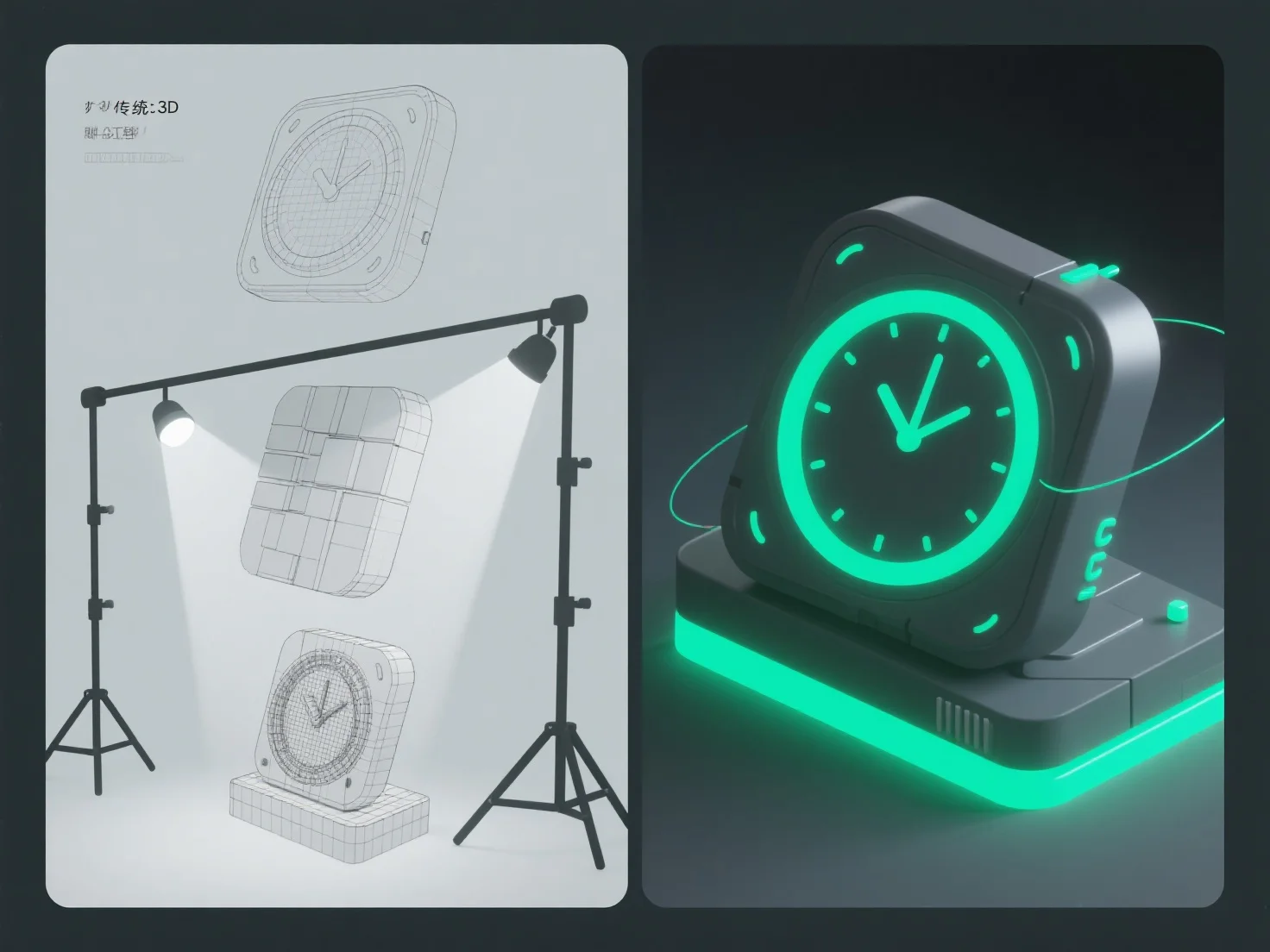
Le rendu en temps réel réduit les coûts de temps dans les flux de travail 3D en réduisant le temps de rendu post-production et en le redistribuant à la configuration et l'optimisation pré-production. Il minimise le rendu long des images finales en post-production, car la visualisation en temps réel permet une rétroaction instantanée sans attendre les résultats du rendu. Cependant, cela nécessite des efforts initiaux : simplifier les actifs à haute polygonalité pour répondre aux normes de performance en temps réel, optimiser les matériaux pour un rendu rapide, et configurer le matériel/logiciel compatible.


Comment le rendu en temps réel réduit-il les coûts de temps dans les flux de travail 3D ?
Le rendu en temps réel réduit le temps de rendu post-production en transférant les coûts vers la configuration et l'optimisation pré-production.