


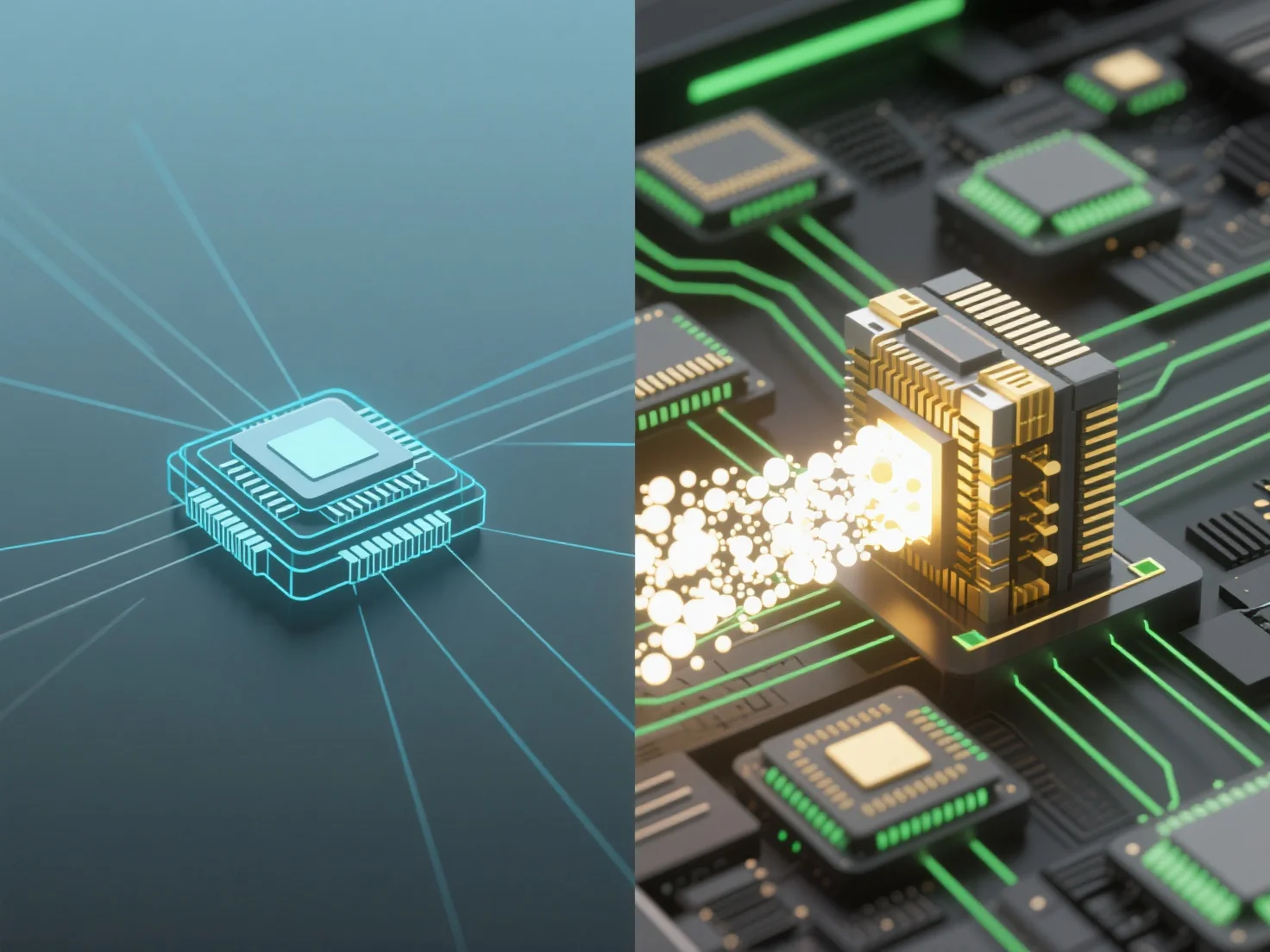
L'accélération GPU améliore le rendu 3D en exploitant le traitement parallèle pour gérer les tâches graphiques complexes plus efficacement que les CPU, réduisant considérablement le temps de rendu et améliorant la qualité de sortie.
- Puissance de traitement parallèle : les GPU disposent de milliers de cœurs, permettant l'exécution simultanée de plusieurs tâches graphiques telles que le rendu de polygones, l'application de textures et le calcul d'effets d'éclairage, contrairement aux CPU qui se concentrent sur le traitement séquentiel. - Traitement efficace des données visuelles : ils excellent dans le traitement rapide de grandes quantités de données visuelles, permettant des prévisualisations en temps réel fluides pendant la conception et une sortie de rendu finale plus rapide pour les projets 3D. - Synergie logicielle : lorsqu'ils sont associés à un logiciel de rendu optimisé pour les GPU, ils améliorent encore l'efficacité du flux de travail, permettant aux artistes d'itérer et de fournir des résultats de haute qualité plus rapidement.
En résumé, l'accélération GPU simplifie le rendu 3D grâce au traitement parallèle, à la gestion efficace des données et à l'optimisation des logiciels, ce qui la rend indispensable pour une production graphique 3D rapide et de haute qualité.